

Impact of Digital Payment Systems in India
Explore how digital payments like UPI are transforming India's economy 🇮🇳, easing transactions for consumers and businesses while navigating key challenges and regulations.
Edited By
James Thornton
Food shortages in India arise from a mix of environmental, economic, and systemic factors that combine to disrupt the availability and accessibility of food for millions. Understanding these causes is key for investors, analysts, and traders who follow agricultural commodities and policy developments.
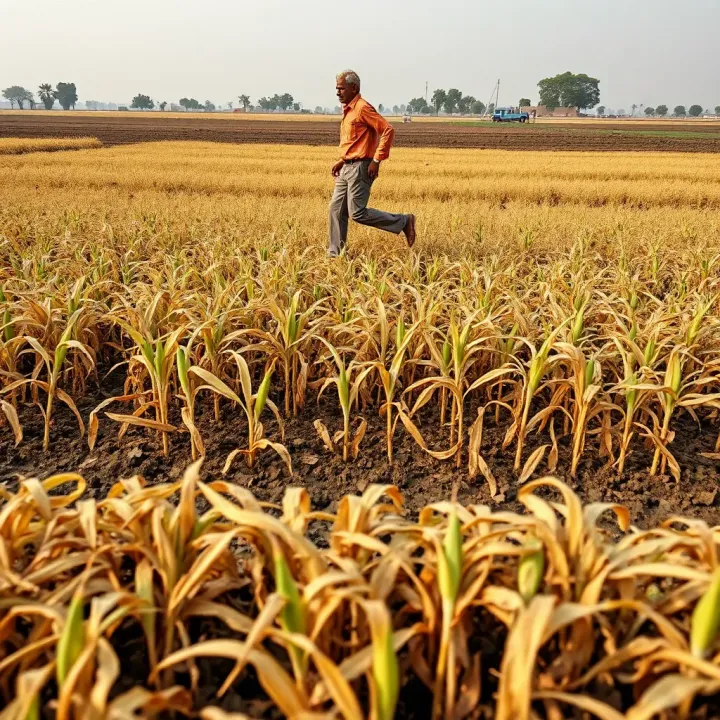
India's agriculture depends heavily on the monsoon. Variations in rainfall patterns, such as deficient or delayed monsoons, cut crop yields significantly. For example, the drought in Maharashtra during 2019 affected sugarcane and cotton harvests, leading to supply shocks. Increasing temperatures and extreme weather events, including floods and unseasonal rainfall, also harm crops.
Traditional farming methods and fragmented land holdings limit productivity. Many farmers rely on rain-fed agriculture without adequate irrigation infrastructure. Limited use of modern seeds, fertilisers, and machinery keeps yields below potential. Crop diversification is low, and reliance on staples like rice and wheat sometimes leads to vulnerabilities in food stability.
India's food supply chain faces issues such as poor storage facilities causing post-harvest losses. According to some reports, wastage can reach up to 30% for perishable produce like fruits and vegetables. Inefficient transportation, especially from rural farms to urban markets, adds delays and spoilage. Additionally, intermediaries add costs, reducing profitability for farmers and raising prices for consumers.
Price volatility in commodities like pulses and edible oils impacts food availability. Government policies on Minimum Support Prices (MSP), procurement, and Public Distribution System shape supply dynamics but sometimes create distortions, affecting market confidence. Inflation and income disparities further restrict access to food for vulnerable populations.
Addressing food shortages demands a multi-layered strategy tackling climate resilience, agricultural modernisation, infrastructure upgrade, and policy reform.
Understanding these factors helps anticipate market movements in agri-commodities and related sectors. For instance, a weak monsoon forecast might boost prices for grains but burden FMCG companies relying on agricultural inputs. Monitoring government policy announcements and supply chain news is essential to assess market risks and opportunities.
In sum, India's food shortage is not due to a single cause but an interplay of climate, farming, logistics, and economic challenges. Keeping track of these helps stakeholders make informed decisions amid uncertainties.
Understanding the factors behind food scarcity is vital for grasping why India continues to face periodic shortages despite being a major agricultural producer. Experts, investors, and policymakers alike need to recognise how weather patterns, farming methods, supply chains, and economic policies directly affect food availability. Addressing these areas can help craft better strategies to enhance production and distribution, which in turn stabilises markets and safeguards livelihoods.
The Indian monsoon is a lifeline for agriculture, influencing about 60% of the cropped area grown under rainfed conditions. Fluctuations in monsoon timing and intensity can drastically alter crop yields, affecting staples like rice, wheat, and pulses. For instance, a delayed or weak monsoon in 2015 caused lower sowing rates in parts of Madhya Pradesh and Maharashtra, leading to reduced output and price spikes. Traders should watch monsoon forecasts closely, as monsoon variability often signals supply side shocks that ripple through commodity markets.
Droughts hinder water availability, stressing crops and diminishing yields, especially in dryland farming zones like Rajasthan or Telangana. Conversely, floods can submerge fields, destroying standing crops and degrading soil quality. Both events reduce food production in the short term and can also discourage farmers from investing in next-season crops, impacting medium-term supply. Their unpredictability makes them critical risks for analysts monitoring India's food security.
Many Indian farmers, particularly smallholders, still rely on age-old farming methods with limited mechanisation and low input use. This constrains productivity compared to global standards. For example, traditional broadcasting of seeds rather than precision planting leads to inefficient resource use and lower yields. Modernising these practices with affordable tools and training could improve output significantly, reducing food scarcity pressure.
Monoculture farming of wheat and rice dominates India's cropping patterns, leaving limited room for diversification. This reliance on few crops makes the system vulnerable to pests, price swings, and climatic stress. Moreover, irrigation infrastructure in many regions remains inadequate or poorly maintained, limiting farmers’ ability to sustain crops during dry spells. Expanding irrigation through sustainable water management and encouraging diverse crop portfolios can stabilise production.
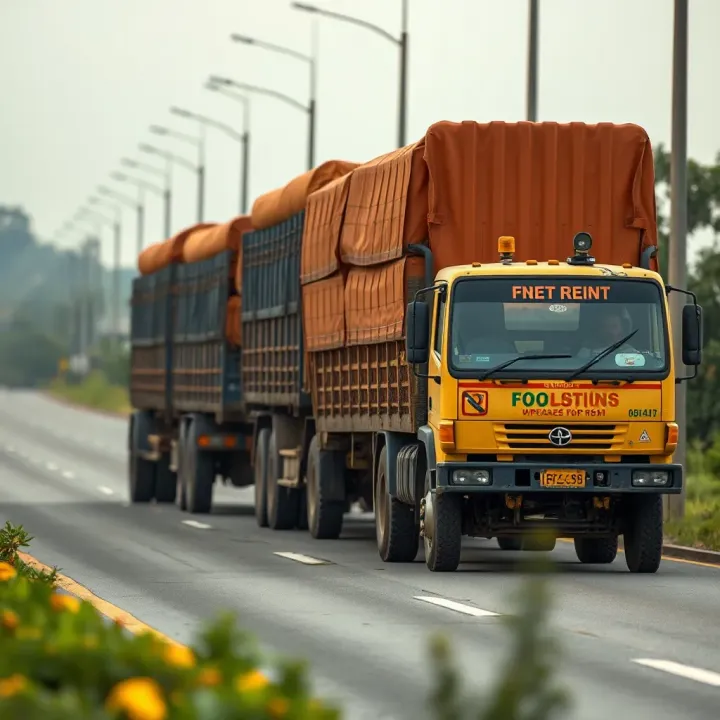
India's cold storage and rural transport network are marked by critical gaps. Insufficient storage facilities cause perishable goods to spoil quickly, especially fruits and vegetables. Poor road connectivity in some regions delays delivery, increasing costs and reducing market efficiency. Strengthening this infrastructure can cut down wastage and ensure steady food availability across regions and seasons.
Estimates suggest that India loses 20-30% of its food produce post-harvest due to spoilage, pests, and inefficient handling. This loss aggravates scarcity and inflates prices. Additionally, fragmented markets and intermediaries can cause price volatility, undermining fair returns to farmers and affordability for consumers. Streamlining supply chains with better cold chains, digital platforms, and direct farmer-market linkages would reduce losses and improve food access.
Fluctuating food prices create uncertainty for farmers, affecting their income and investment choices. For example, a sudden drop in minimum support prices (MSP) for a crop can deter sowing, reducing output eventually. Traders and analysts need to factor in these price swings, as they shape production incentives and market supply.
Government programmes like the Public Distribution System (PDS), Pradhan Mantri Fasal Bima Yojana (PMFBY), and technology initiatives aim to stabilise food supply and support farmers. However, implementation gaps and fiscal constraints sometimes limit their reach and effectiveness. Monitoring policy shifts and their ground-level impact helps gauge future supply dynamics and investment risks.
Addressing these root causes is key not only to improve food availability but also to create a resilient agricultural economy that sustains India’s growing population and diverse market demands.
Food shortages in India affect more than just availability of grains; they ripple through society impacting nutritional health and economic stability. Understanding these consequences helps investors and analysts grasp the stakes involved in agriculture policies and market dynamics, influencing decisions in sectors linked to food production and distribution.
Malnutrition remains a stark reality in many parts of India, particularly where food shortages hit hardest. Children under five, pregnant women, and elderly populations tend to suffer the most. For instance, districts in states like Bihar and Uttar Pradesh report high rates of stunting and wasting among children, attributed partly to irregular food supplies and poor nutritional quality.
This situation is not just a health issue but a developmental challenge. Malnourished populations face weakened immunity and impaired cognitive abilities, reducing workforce productivity. For traders and investors, regions with persistent malnutrition indicate stressed supply chains and often correlate with lower economic activity.
Food insecurity extends its impact beyond immediate hunger. Chronic shortages can lead to conditions like anaemia, weakened bones, and other micronutrient deficiencies that affect health over a lifetime. Adults suffering long-term malnutrition are more susceptible to diseases such as diabetes and hypertension later.
This burden strains public health infrastructure and increases healthcare costs, particularly in rural India. Understanding these patterns helps advisors and policymakers push for investment in nutritional programmes and healthcare, which have a direct bearing on social stability and economic growth.
Smallholder farmers, who form the backbone of India's agrarian economy, often bear the brunt of food shortages. Crop failures due to erratic monsoons or poor soil reduce their income drastically. For example, in Maharashtra's Vidarbha region, repeated droughts have pushed many farmers into debt, forcing them to abandon cultivation or seek work in cities.
This loss of livelihood not only affects farmers but disrupts rural economies. Investors monitoring agri-based industries should note how these shocks dampen demand for agricultural inputs and local commerce.
Food shortages accentuate poverty gaps and social inequality across India. Households facing hunger often cut back on education and medical care, perpetuating a cycle of deprivation. Urban slums also witness rising food insecurity as supply disruptions push prices up, leaving the poor at risk.
Social unrest and migration from rural to urban areas become more common, affecting labour markets and social services. For policymakers and business leaders, addressing these inequalities through food security is essential to maintaining economic vigour and social cohesion.
Food shortages do not occur in isolation—they bind nutritional health and economic wellbeing tightly together, revealing vulnerabilities that impact broad segments of Indian society. Recognising these links aids targeted interventions and smarter investments.
Addressing food shortages in India demands a multi-faceted approach. Strategies that improve agricultural productivity, bolster supply chains, and reinforce government support can significantly reduce scarcity risks and ensure food security. Practical steps in these areas not only increase availability but also stabilise prices and support farmer incomes, which ultimately benefits traders, investors, and the entire agricultural ecosystem.
Modern technology has the potential to elevate crop yields and resilience against climate fluctuations. Techniques like precision farming, which uses sensors and satellite data to optimise inputs such as water and fertiliser, reduce waste and increase efficiency. For example, farmers in Punjab adopting drip irrigation combined with soil moisture sensors have seen crop yields improve by up to 30% due to better resource management. Hybrid seeds and biotech crops also contribute to higher productivity by offering resistance to pests and drought.
Water scarcity often worsens the effects of food shortages. Introducing sustainable water management practices is key. Rainwater harvesting, efficient drip irrigation, and rejuvenation of traditional water bodies can support crop growth without stressing underground aquifers. The success story of Tamil Nadu's tank restoration projects highlights how linking water conservation with agriculture has improved local water tables and increased rabi crop cultivation. Adopting such methods across drought-prone areas helps secure water availability year-round for farming.
India loses a large portion of its perishable produce due to inadequate cold storage and transport. Building modern cold chain facilities along critical routes can extend the shelf life of fruits, vegetables, and dairy products. For instance, the warehousing infrastructure around major markets in Maharashtra has reduced spoilage rates among mango farmers by 25%. Strengthening transport logistics, including refrigerated trucks, helps maintain quality while ensuring products reach urban consumers and exporters promptly.
Post-harvest losses are a significant contributor to food shortages. Training farmers and handlers in proper harvesting, sorting, and packaging techniques can greatly reduce wastage. The introduction of improved storage bags and low-cost solar dryers has helped small-scale farmers in Odisha preserve grains and spices more effectively. Minimising waste not only uplifts farmer incomes but stabilises food supply chains for businesses and markets.
Government schemes like the Public Distribution System (PDS) and the National Food Security Act play vital roles in safeguarding food availability for vulnerable populations. Improving transparency through digital platforms and ensuring last-mile delivery efficiency can boost their impact. Linking these schemes with digital identity systems like Aadhaar has helped reduce leakages and ensure help reaches the intended beneficiaries.
MSP policies provide a safety net by guaranteeing farmers a minimum price for essential crops. This assurance encourages production and protects farmers during times of price volatility. For traders and investors, MSP ensures a more stable supply of staples like wheat and paddy. However, tweaking MSPs to cover a broader range of crops and ensuring timely procurement remain priorities to prevent distress sales.
Well-planned strategies across technology adoption, infrastructure enhancement, and policy support not only ease food shortages but create a more resilient food system benefiting farmers and markets alike.
Explore how digital payments like UPI are transforming India's economy 🇮🇳, easing transactions for consumers and businesses while navigating key challenges and regulations.

📉 Understand the recent crypto market crash—causes, investor impact, and economic fallout. Get practical tips tailored for Indian investors to manage volatility smartly.

📱 Looking for the best mobile for trading in India? Discover top models, performance tips, connectivity essentials, and security advice to trade confidently and efficiently.

📋 Step-by-step Quotex registration guide for Indian users! Learn account setup, verification, tips, and how to avoid common issues for a smooth start.
Based on 5 reviews