

Choosing the Right Trading App for Indian Investors
Find the best trading app for Indian investors—compare features, security, costs, and user experience. Get tips on onboarding and compliance for hassle-free investing 📱💹
Edited By
Isabella Scott
Accessing the stock market swiftly has become essential, especially for traders who want to capitalise on real-time price movements. Quick trading apps offer this advantage by allowing investors to place orders and monitor portfolios instantly on their mobiles.
These apps are designed to provide speed without compromising on security or usability. In India’s rapidly expanding digital economy, selecting the right quick trading app can significantly impact your trading efficiency and overall experience.

When choosing a quick trading app, consider the following key criteria:
Execution Speed: Look for apps that offer low latency in order placement. Apps like Zerodha Kite and Upstox Pro are reputed for their swift trade execution.
User Interface: A clean, intuitive interface reduces errors and helps you react faster. Mastering the app’s navigation can shave precious seconds off your actions.
Market Data Access: Real-time streaming data and charts help traders make timely decisions. Check whether the app offers live updates for NSE and BSE.
Order Types Supported: Advanced traders might want apps supporting limit, market, stop-loss, and bracket orders to strategise effectively.
Security Features: In-built two-factor authentication (2FA), encryption, and regular security audits safeguard your transactions and personal data.
Picking the right app is not just about fast trades; it’s equally about secure and reliable access to market information.
Popular trading apps in India, such as Angel Broking, HDFC Securities, and 5Paisa, cater to different segments—from beginners seeking simplicity to professionals demanding complex tools.
Before finalising, test apps with demo accounts if available, and explore the charges associated, including brokerage, transaction fees, and GST. Quick trading should not come with hidden costs that eat into your profits.
With the right quick trading app in hand, you can monitor shifts in Sensex, Nifty 50, or individual stock movements on the go, ensuring you respond promptly to market opportunities or risks.
Remember, your choice impacts not only how fast you trade but also your confidence and control in stock market dealings.
A quick and efficient trading app is not just a convenience, but a necessity in today’s fast-moving stock market. For traders in India, where market opportunities can appear and vanish within seconds, understanding the key elements that contribute to speed and efficiency helps in choosing an app that suits their trading style and goals.
Speed of order execution is the core of a quick trading app. When you place a buy or sell order, the time it takes for the app to send the order to the exchange and confirm execution can directly affect the prices you get. For example, if an app lags even by a second, you might miss out on the best price or execute a trade at a much different value, especially during volatile sessions. This aspect is critical for active traders who depend on rapid reaction to market movements.
User-friendly interface plays a big part in trading speed too. A cluttered or confusing layout can delay actions — for instance, a trader fumbling through menus to place a stop loss order might end up losing valuable time, causing losses. A simple, clean interface enables traders to place, modify, and cancel orders swiftly without unnecessary distractions or steps. This ease of use is especially helpful for beginners and those managing multiple stocks or strategies simultaneously.
Real-time market data is indispensable for quick trading. Information like live stock prices, market depth, and news updates without delay ensures traders make decisions based on recent events rather than stale data. An app that lags behind by even a few seconds in updating market data can cause you to misjudge the situation, for instance, entering a buy order after the price has already spiked.
Impact on price slippage is one reason speed cannot be compromised. Price slippage happens when your order executes at a different price than expected, often worse, because the market moves in the gap between placing and executing the order. Faster apps reduce this risk by ensuring immediate order transmission and execution.
Taking advantage of market volatility demands quick reaction times. Indian stock markets can swing sharply during opening hours or after major announcements like RBI policy updates. Traders able to react instantly through fast apps can capitalise on these fluctuations to book profits or cut losses more effectively.
Importance for day traders and swing traders is quite high as their strategies rely on quick entry and exit. Day traders, who may place dozens of trades in a single session, need apps that respond instantly to execute their plans. Swing traders looking to catch short-term trends also benefit from apps that reflect current prices and allow timely transactions before market conditions change.
The right trading app balances speed with user experience and data accuracy — picking such an app helps you stay ahead in the Indian stock market’s fast lane.
A quick trading app is only as good as the features it offers. When you are dealing with fluctuating stock prices, even a couple of seconds delay can affect your returns. That's why minimal latency and fast loading times form the backbone of efficient stock trading apps.
Latency refers to the delay between making an action — like clicking "buy" — and the system responding to it. In stock trading, this lag could mean missing out on favourable price movements. For example, if you place a public market order and the app takes several seconds to execute, you might end up buying at a price noticeably higher than what you saw. Hence apps such as Zerodha Kite and Upstox Pro have optimized their systems to deliver ultra-fast order execution by reducing server response and data transfer times.
A cluttered, complicated app interface increases the chances of mistakes. Effective trading apps enable you to place buy or sell orders within a few taps, allowing quick adjustments if market conditions change. For day traders who operate in fast-moving segments like derivatives, it’s vital to modify orders swiftly without digging through menus.
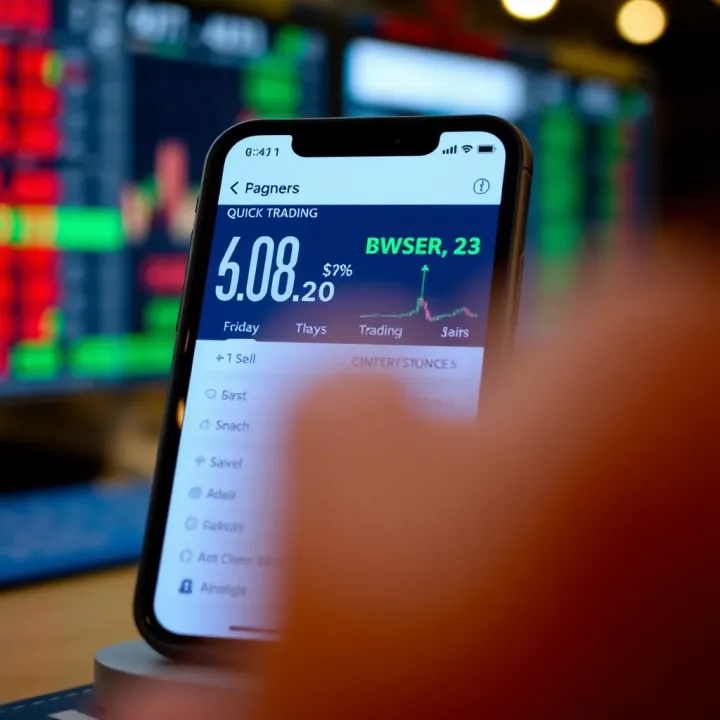
Instant access to watchlists and portfolios lets you monitor your preferred stocks and holdings efficiently. Imagine tracking the Sensex components or the favourites in your personal portfolio during volatile market hours. Apps that allow custom watchlists, one-click portfolio views, and instant switching between these screens help you grab opportunities as they arise without wasting time.
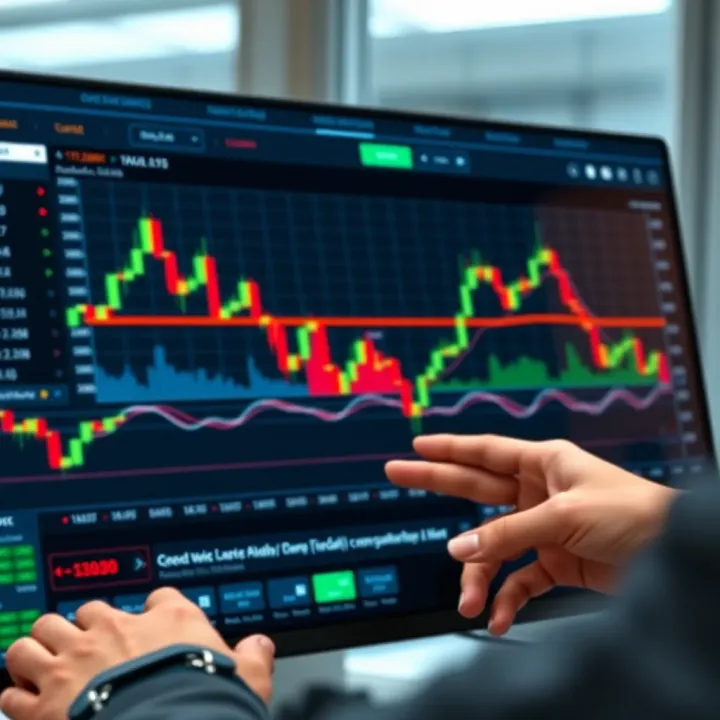
For informed trading, quick access to detailed charts matters. Trading apps that offer various chart types (candlestick, line), time frames, and preloaded technical indicators like moving averages or RSI help traders analyse price trends instantly. For instance, an intraday trader looking for momentum shifts in Nifty futures benefits from easy chart overlays that don’t require multiple navigations.
Markets react sharply to news, whether corporate performance updates or RBI policy changes. Built-in news feeds with real-time alerts keep traders updated without switching apps. An efficient trading app sends instant push notifications on price triggers or market-moving news, enabling you to act immediately.
Time is money, especially when moving funds between your bank and trading account. Apps supporting instant fund transfers reduce waiting time for capital deployment. For example, features facilitating IMPS transfers or quick pay-ins speed up your ability to buy stocks post-funds deposit.
Integrating popular Indian payment methods like Unified Payments Interface (UPI) and net banking streamlines the investor experience. It makes adding money effortless without juggling multiple platforms. Traders using apps such as Angel Broking or Groww find it convenient to deposit funds directly via UPI apps like PhonePe or Google Pay, saving them from delays and extra verification steps.
Quick trading apps mix speed, simplicity, and smart tools. The right features can decisively improve how you trade stocks and manage investments in India’s dynamic markets.
Choosing the right trading app often means looking at how well it fits India’s dynamic market scene. Popular quick trading apps rank high in users’ minds because they combine fast order execution with features tailored for the Indian context. Speed alone isn’t enough—usability, pricing, customer support, and integration with local payment systems all play a role. Let’s look into some leading apps that offer a practical mix of these elements.
Zerodha Kite is well-known for blending fast order placement with a clean, user-friendly interface. It supports lightning-quick order execution, which is critical when market prices shift every few seconds. What sets Kite apart is its lightweight design, enabling it to function smoothly even on modest smartphones common in tier-2 and tier-3 cities. The app’s integration with charting tools and market analysis helps traders make swift decisions without flipping between apps.
Upstox Pro appeals to traders who want rapid trade execution without hefty fees. The app delivers minimal latency, which keeps users ahead during volatile market swings. Its subscription-based pricing often works out cheaper for high-frequency traders compared to traditional brokerage models. Besides speed, Upstox Pro supports UPI payments and instant fund transfers, which speeds up investing cycles especially during the fast-moving Indian market hours.
Angel Broking combines technology with simplicity to support quick trades efficiently. It offers smart order routing to pick the best available price across exchanges, reducing delays and slippage. Plus, offline order placement and voice-assisted commands add unique quick access benefits. Traders benefit from timely news alerts customised to their portfolio, helping them react promptly to market movements.
5Paisa offers a no-frills, cost-effective platform with very low brokerage charges, making it attractive for budget-conscious traders seeking speed. It supports multiple exchange segments and comes with useful tools like market scanners, which speed up stock filtering.
Groww, initially known for mutual fund investments, has grown into stock trading with a simple interface and smooth navigation. It’s popular among new traders for offering instant account opening and seamless fund transfers via UPI, which speeds up the time from signup to trading.
HDFC Securities App, tied to one of India’s largest banking groups, ensures strong backend support for quick trading. It integrates banking and trading seamlessly, helping investors manage funds instantly between savings and trading accounts. The app also includes detailed research reports and personalised recommendations, assisting traders to make informed quick trades.
When choosing a trading app, consider not only raw speed but also reliability during peak hours, ease of fund transfer, brokerage plans, and user experience tailored for Indian markets. These factors together shape how effective your quick trading app will be.
With India’s digital economy expanding, these apps continue evolving, adding features that address local demands while keeping to the promise of swift, smooth trading.
Security and reliability are essential when choosing a quick trading app, especially for active traders who depend on fast and uninterrupted access to markets. Beyond speed and ease of use, an app must safeguard your personal data and investments while ensuring smooth operations even during times of heavy market activity. Let's go through these key areas to understand what you should consider.
Trading apps handle sensitive information ranging from personal identification to bank account details. Using apps that follow strong encryption standards helps protect this data from hackers. For example, many reputable apps use Secure Socket Layer (SSL) or Transport Layer Security (TLS) protocols, which encrypt data during transfer, preventing interception. Additionally, apps that support two-factor authentication add a layer of user verification, reducing the risk of unauthorised access.
In the Indian context, vigilance is crucial as cyber fraud targeting financial apps is on the rise. Always check if the app follows the guidelines set by the Reserve Bank of India (RBI) and the Securities and Exchange Board of India (SEBI), which often include mandatory data protection norms.
Market peaks see a surge in trading volumes and login attempts. A stable trading app must handle this intense traffic without slowing down or crashing. For instance, during quarterly results or budget announcements, thousands of users trade simultaneously, and any lag could cause missed opportunities or incorrect order execution.
Successful apps maintain distributed server architectures that spread user requests across multiple servers. This reduces the risk of overload. Some apps even provide status alerts during extreme demand, keeping users informed of minor delays. Ignoring these signals might lead to frustration or financial loss.
No system is immune to downtime. However, prompt backup protocols and recovery plans ensure minimal disruption. An app with robust backup processes might temporarily redirect users to a backup server if the primary one fails, allowing trades to continue seamlessly.
For Indian traders, downtime during volatile sessions can be costly. Some apps present details about scheduled maintenance in advance, so you can plan trades around those times. Reliable customer support during outages also helps mitigate stress and uncertainty.
SEBI regulates the securities market in India and ensures trading platforms comply with fair practices. Apps authorised by SEBI adhere to strict operational and security guidelines, giving users confidence about their money and data safety. The exchanges (NSE, BSE) also monitor these platforms to safeguard market integrity.
Before selecting an app, verify if it has SEBI registration and complies with Know Your Customer (KYC) and Anti-Money Laundering (AML) regulations. This prevents fraud and builds a secure trading environment.
Despite security measures, issues can arise, be it transaction errors or technical glitches. A trustworthy trading app offers clear channels to raise grievances and timely resolution procedures. For example, many apps now have dedicated helpdesks reachable via chat, email, or phone, along with transparency about complaint turnaround times.
The capability to handle grievances efficiently is especially important in India's vast and diverse trader community. It ensures trust and encourages active participation without fear of unresolved problems.
Insight: Prioritising security and reliability helps protect your investments and smoothens your trading experience. Always check these factors alongside speed and functionality when choosing your quick trading app.
Using a quick trading app effectively goes beyond just downloading and logging in. You can improve your trading outcomes by applying a few practical tips that sharpen your response time and reduce risks. These strategies help you get the most from the app’s speed and features, crucial in a market that moves fast, especially for day traders and swing traders.
Always update your trading app and mobile device promptly. App updates usually include bug fixes, performance improvements, and added features that ensure smooth, fast operation. For example, Zerodha’s Kite app pushes updates that optimise server connection speeds and reduce latency, which can be critical when you’re placing multiple trades in quick succession. Likewise, updating your smartphone’s system software can prevent compatibility issues that slow down app performance or cause crashes during peak market hours.
Slippage happens when your order executes at a different price than expected, often due to price swings and delays. Using limit orders helps control this by setting the maximum or minimum price you’re willing to buy or sell at. For instance, if you want to buy Reliance Industries shares at ₹2,400 but the market is volatile, a limit order prevents the purchase at a much higher price. This tool is vital when you trade on quick apps because speed alone won't protect you from market fluctuations. Limit orders help you avoid unnecessary losses and keep your trades within a set budget.
Quick trading apps usually provide notification features for price changes, volume spikes, or news updates. Setting custom alerts ensures you won’t miss critical moments even when you’re away from the app. For example, Upstox Pro allows traders to set SMS or app notifications for stock price thresholds or corporate announcements. These alerts can free you from constant screen-watching and let you respond swiftly when a trade opportunity arises.
A fast and stable internet connection is the backbone of efficient trading. Even the quickest app will struggle if your network stutters or disconnects. Using a reliable 4G or 5G connection, or a wired broadband when possible, minimises delays and order failures. Traders in tier-2 and tier-3 cities should consider prepaid plans from providers with good local coverage. Also, switching off other apps that consume data during trading sessions reduces bandwidth competition on your mobile.
Smart use of app features combined with good device management and network stability can transform how effectively you trade. It’s these details that help turn a quick trading app from just another tool into a real edge in the market.
By smoothing out these practical elements, you ensure every second counts and your trades happen exactly when and how you want them. This improves not just speed but also confidence while navigating the Indian stock market.
Find the best trading app for Indian investors—compare features, security, costs, and user experience. Get tips on onboarding and compliance for hassle-free investing 📱💹

📈 Explore top free brokerage trading apps in India, compare features, benefits & tips to invest smartly while avoiding common traps. Trade confidently today!
🔍 Find the best forex trading platform for Indian traders with features like security, cost, and tech insights. Make smarter investment choices with expert tips.

🔍 Explore how to pick the perfect forex trading platform for Indian traders. Learn key features, types, safety tips, and RBI regulations to trade confidently.
Based on 8 reviews