

Choosing the Right Forex Trading Platform for Indian Traders
🔍 Explore how to pick the perfect forex trading platform for Indian traders. Learn key features, types, safety tips, and RBI regulations to trade confidently.
Edited By
Emma Sinclair
Forex trading platforms act as the gateway for traders and investors to access the currency markets. Choosing the right platform is not just about flashy features but a combination of usability, cost, security, and technological support. For Indian traders, these factors carry extra weight given regulatory requirements and local banking integrations.
A good forex trading platform must offer reliable trade execution, access to multiple currency pairs, and user-friendly charts. For example, MetaTrader 4 and 5 remain popular globally, while Indian platforms like Zerodha's Kite are gaining ground due to better integration with Indian brokers and payment systems.
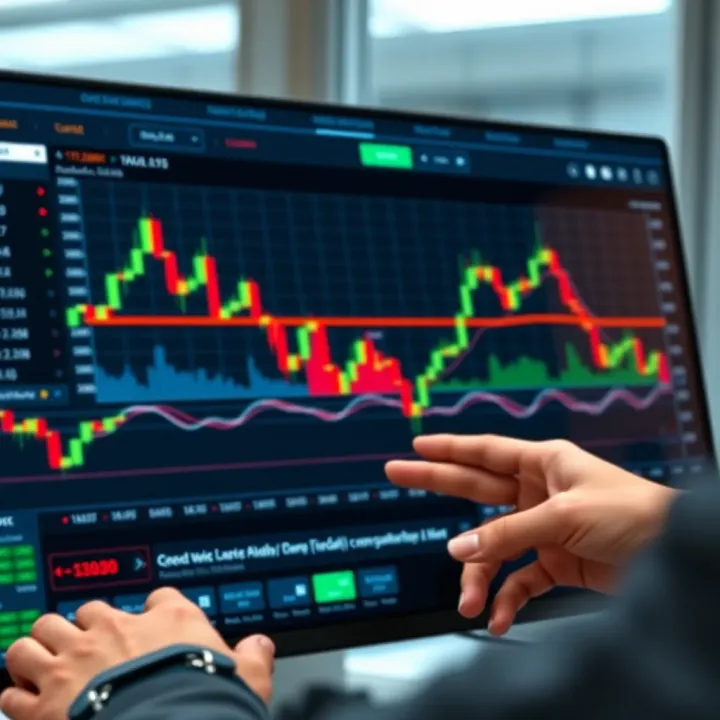
Security is non-negotiable as forex trading involves serious money movement. Look for platforms with two-factor authentication, encryption, and regulatory compliance from bodies like SEBI. Some international platforms may not provide direct access to Indian banks, making fund transfers cumbersome.
Cost structures vary widely. Some platforms charge a fixed commission per trade, others take a spread cut, and some offer zero commission but make up through wider spreads. Watch out for hidden charges like withdrawal fees or inactivity penalties.
Technology factors include the availability of mobile apps, automated trading support, and API access. For an active trader, mobile notifications and one-click orders save valuable seconds.
For Indian traders, checking whether the platform supports INRCurrency pairs and has seamless integration with Indian payment methods like UPI or NEFT can save a lot of hassle.
In this article, we'll break down the key features, benefits, and considerations to help you pick a forex trading platform that suits your style and goals.
Grasping what forex trading platforms offer is essential for anyone keen on currency trading, especially given the sudden fluctuations in global markets. The choice of platform can affect your trading speed, accuracy, and ultimately your profitability. By understanding the types, features, and tools these platforms provide, traders can pick one suited to their style and objectives.
A forex trading platform is software that connects traders with the forex market, enabling them to place trades, monitor market movements, and manage their accounts. Think of it as the trader’s dashboard that displays currency pairs, live data, charts, and order functions all in one place. Without this medium, participating in forex markets would be nearly impossible.
Good platforms offer several core functions like real-time price quotes, multiple order types such as market and limit orders, and access to diverse currency pairs. On top of that, analytical tools like advanced charting, technical indicators, and economic calendars help traders make informed decisions. For example, platforms such as MetaTrader 4 or TradingView come loaded with technical indicators and custom alerts, which aid in spotting trends timely.
Desktop-based Platforms
These are software applications installed on a personal computer, often preferred for their speed and reliability. Desktop platforms typically provide a full suite of features including advanced charting, script customisation, and automated trading. For instance, MetaTrader 4 and 5 remain popular among seasoned traders for their stable interface and expert advisor (EA) support. However, you must work on the same device, limiting access while on the move.
Web-based Platforms
Web platforms run directly in a browser without any installation, making them accessible from virtually anywhere. This flexibility lets traders check positions or place orders on different computers quickly. Though they’re convenient, web-based sites like Forex.com or OANDA might lag slightly in execution speed or lack some advanced features found in desktop versions. Still, they serve well for casual or on-the-go trading without the hassle of software updates.
Mobile Trading Apps
Mobile apps bring forex trading to your fingertips anytime, anywhere, ideal for traders who travel or prefer constant market access. Apps from brokers like Zerodha or ICICI Direct often offer user-friendly interfaces with real-time price alerts, one-touch order execution, and portfolio tracking. While less feature-heavy than desktop platforms, the best mobile apps maintain essential tools for entry and exit analysis, letting you respond swiftly to market changes.
Choosing the right platform type depends on your trading habits, location, and need for mobility. Balancing access, functionality, and convenience will help you stay ahead in dynamic forex markets.
Choosing the right forex trading platform means focusing on the core features that impact your trading experience directly. These features influence how efficiently you can analyse markets, place orders, and manage risks. When looking for a platform, emphasise those that align with your trading style and level of expertise.
A straightforward and intuitive user interface is essential. Think of it as the cockpit of your trading journey. If the platform is cluttered or confusing, you might miss critical signals or make errors under pressure. Platforms like MetaTrader 4 (MT4) and MetaTrader 5 (MT5) offer clean layouts that even freshers can navigate easily, while still providing advanced traders with robust options. Smooth navigation lets traders spot opportunities fast and place orders with minimal clicks, boosting efficiency.
Strong charting features are indispensable for analysing market trends and making informed decisions. Look out for platforms that offer multiple chart types, timeframes, and indicators such as Moving Averages, RSI, and Bollinger Bands. For example, TradingView garners praise for its rich technical analysis tools and user-friendly charts. Access to news feeds and economic calendars within the platform can also help track global events affecting forex pairs, ensuring you stay ahead.

In forex, milliseconds can make a difference, especially for intraday or high-frequency traders. Platforms must provide fast execution speeds to avoid slippage—where your trade is filled at a less favourable price. Additionally, check what order types are available: market, limit, stop-loss, and take-profit orders must be standard. Brokers linked to platforms like Zerodha and ICICI Direct generally offer reliable execution speeds in India, which can be a key factor when dealing with volatile pairs like USD/INR.
Automating trades and customisation enable traders to apply strategies without babysitting the screen all day.
Expert Advisors (EAs): These are pre-programmed trading robots or scripts designed to execute trades automatically based on set criteria. EAs help reduce emotional bias and can trade 24/7 when markets are open globally. For example, an EA might trigger a buy on EUR/USD when specific moving averages cross. Indian traders with technical know-how use EAs in MT4 and MT5 platforms widely to follow disciplined strategies.
Algorithmic Trading: This extends automation by enabling complex strategies built on mathematical models. Algorithms can scan multiple currency pairs simultaneously and execute orders at optimal prices. Institutions and serious traders leverage algorithmic trading to exploit small price gaps or hedging opportunities. Some platforms provide user-friendly interfaces to build or tweak algorithms without coding, making it accessible beyond just quants.
Selecting a forex platform with strong customisation and automation not only enhances trading efficiency but also opens doors to sophisticated techniques that can improve long-term profitability.
Focusing on these essential features will help you pick a platform that suits your goals, skillset, and trading frequency. Whether you are a beginner or an experienced trader, a platform's design, functional depth, and automation support shape how well you perform in the dynamic forex market.
Security and regulatory aspects form the bedrock of any forex trading platform. For traders, especially in India, knowing that the platform operates under strict guidelines offers peace of mind and protects capital against fraud or malpractice. Without proper oversight, a trading platform risks exposing users to hacking, unfair trading practices, or worse, the loss of funds with no legal recourse.
The Securities and Exchange Board of India (SEBI) keeps a close watch on entities operating in financial markets, including forex brokers serving Indian clients. SEBI mandates registration and compliance to ensure transparent operations and fair trading conditions. Traders should prefer platforms registered or recognised by SEBI as these brokers adhere to standards on capital adequacy, client fund segregation, and reporting. This reduces the risk of fraud and promotes a trustworthy trading environment.
Additionally, SEBI enforces restrictions on currency pairs and leverage to curb excessive risk-taking by Indian investors. For example, Indian traders can legally trade currency pairs only on recognised exchanges like NSE and BSE, and foreign exchange trading is limited to specific pairs involving INR. Platforms outside SEBI’s purview may offer over-the-counter forex trading that lacks these safeguards.
Forex brokers often operate globally under regulation by authorities such as the Financial Conduct Authority (FCA) in the UK, the Australian Securities and Investments Commission (ASIC), or the Commodity Futures Trading Commission (CFTC) in the US. These agencies impose rigorous requirements on brokers, including mandatory client fund segregation, regular audits, and dispute resolution mechanisms.
For Indian traders using international platforms, regulation by such bodies can add an extra layer of security and credibility. However, it's important to verify the broker’s registration status and understand that overseas regulators may have limited jurisdiction over disputes involving Indian clients. Hence, coupling SEBI compliance with international licences offers a more robust safety net.
Protecting personal data and transaction details should be a priority for every forex platform. Look for platforms that use strong encryption standards like SSL (Secure Socket Layer) to shield data during transmission. The rising threat of cyber attacks mandates features such as two-factor authentication (2FA), biometric login options, and regular security audits.
Indian data privacy laws under the Information Technology Act and forthcoming Personal Data Protection Bill also require platforms to uphold user confidentiality. Platforms should clarify their data usage policies clearly, ensuring your sensitive information, like Aadhaar or PAN details, are safeguarded and not shared without consent.
One of the most critical aspects to check is how the platform manages client funds. Reputed trading platforms keep client deposits in segregated bank accounts, separate from company operating funds. This segregation protects your money even if the broker faces financial troubles. For instance, if a broker goes bankrupt, segregated funds cannot be used to pay off company debts.
Platforms should also provide transparent withdrawal policies and timely settlements to give traders confidence in accessing their money. Always seek brokers with clear fund safety protocols and insurance coverage, if possible. This reduces the risk of losing money not due to market conditions but because of platform mismanagement.
Strong regulatory oversight, solid data protection, and assured fund segregation together ensure a trustworthy trading experience for Indian forex traders. Ignoring these factors can lead to severe financial risks and legal complications.
Choosing a forex platform with robust security and regulation frameworks helps you focus on your trading strategies without worrying about systemic vulnerabilities.
Understanding the cost structures and fees involved in forex trading platforms is vital for any trader looking to optimise returns. These costs directly affect profitability and trading strategies, especially in the fast-paced forex markets where spreads, commissions, and overnight charges can add up quickly.
Fixed spreads remain constant regardless of market conditions. This means that the difference between the bid and ask price stays the same throughout the trading day. For traders, especially beginners or those using automated strategies, fixed spreads offer predictability in transaction costs. For instance, if a platform offers a fixed spread of 2 pips on EUR/USD, you know exactly the cost you pay every time you enter or exit a trade.
However, these spreads can be slightly wider compared to variable spreads during normal market conditions. Fixed spreads can be advantageous during high volatility — like major economic announcements — because they protect traders from sudden spread widening, which can otherwise lead to unexpected losses.
Variable spreads fluctuate depending on market liquidity, news events, and trading volume. They can tighten significantly when markets are calm, sometimes as low as 0.1 pips on major pairs like USD/INR, but widen sharply during volatile periods.
For experienced traders who choose to trade during stable hours or scalp very small price movements, variable spreads can reduce cost substantially. But the risk lies in sudden spread expansion during events like RBI policy releases or global crises, which may increase trading costs unpredictably. Indian traders need to weigh this against the potential savings during quiet market hours.
Some forex platforms charge commissions in addition to spreads, especially when offering very tight spreads or ECN (Electronic Communication Network) models. Commissions may appear as a fixed fee per trade or a percentage of the trade volume. It’s important to check for any hidden fees that can surface in areas such as deposit or withdrawal charges, inactivity fees, or currency conversion costs.
Indian traders should verify if the platform supports INR deposits and withdrawals without hefty conversion fees. For example, a broker might advertise zero commissions but impose higher currency conversion fees, affecting overall cost.
Swap rates or overnight charges apply when positions are held beyond the trading day's close. These are essentially interest payments reflecting the difference in interest rates between the currencies being traded. For example, holding USD/INR overnight might incur swap charges influenced by RBI’s interest rates versus US Federal Reserve rates.
Traders involved in longer-term positions or carry trades must factor swap rates into their cost calculations. Some platforms offer swap-free accounts, which can be helpful for traders observing Islamic finance principles or those wanting to avoid these charges.
When selecting a forex trading platform, always examine the complete cost structure, not just spreads or commissions. A platform with low spreads but high hidden fees or swap charges might end up more expensive in the long run.
Understanding each cost element helps Indian traders choose a platform best matching their trading style and budget.
Selecting the right forex trading platform is a key step for Indian traders looking to engage with global currency markets smoothly and securely. The ideal platform should not only offer robust trading tools but also align with India's specific banking, regulatory, and market conditions. Choosing wisely saves you from hassles like payment delays, limited currency options, or weak customer support.
A forex platform must support local banks and popular Indian payment methods to ease fund transfers. Many Indian traders rely on banks like State Bank of India, HDFC Bank, or ICICI Bank for seamless deposit and withdrawal. Platforms that integrate UPI, net banking, or IMPS provide faster, cost-effective transactions. For example, a platform allowing direct net banking transfers removes the need for third-party wallets, reducing transaction time and potential errors.
Not all platforms offer currency pairs that matter to Indian traders. Besides global majors like USD/EUR or USD/JPY, pairs involving the Indian Rupee (INR) or currencies of close trading partners such as the US Dollar–Indian Rupee (USD/INR), Euro–Indian Rupee (EUR/INR), or the Singapore Dollar–Indian Rupee (SGD/INR) hold significance. Access to these pairs lets traders capitalize on local economic changes or political events. Ensure your platform provides these pairs with good liquidity and reasonable spreads.
Customer service tailored to Indian time zones and languages makes a difference. Efficient support reduces downtime caused by technical glitches or account issues. Indian traders value platforms that offer Hindi or regional language support, besides English, enhancing communication. Also, availability of helpline numbers operating during Indian market hours or quick email support boosts trader confidence. Platforms offering localised educational resources and market insights add further value.
In India, platforms like MetaTrader 4 and 5 remain popular due to their reliability and extensive features. Additionally, brokers like Zerodha and Upstox have begun offering forex services that connect well with Indian banking methods and regulatory guidelines. International platforms such as IG and Saxo Bank also attract Indian traders for their wider currency options and advanced tools but may have more complex fund transfer processes. Choosing a platform popular among Indian traders often ensures better community support and localised functionality.
When picking a forex platform, ensure it fits your banking habits, offers currency pairs you trade often, and provides help that speaks your language. This practical approach makes trading less stressful and more productive in the long run.
By focusing on these India-specific factors, traders can choose a forex platform that fits their unique needs and helps them navigate currency markets with confidence.
🔍 Explore how to pick the perfect forex trading platform for Indian traders. Learn key features, types, safety tips, and RBI regulations to trade confidently.

Discover how to choose the best trading platform with key factors like ease of use, security, fees, and features that match your trading style 📈💻
Discover how to pick reliable forex trading websites in India with tips on compliance, technology, tools, costs, and support for safer, smarter trading 📈💻
Discover how to choose the best trading platform by comparing fees, features, security & support 🌐 Ideal for Indian & global traders seeking reliability & ease 🌟
Based on 5 reviews