
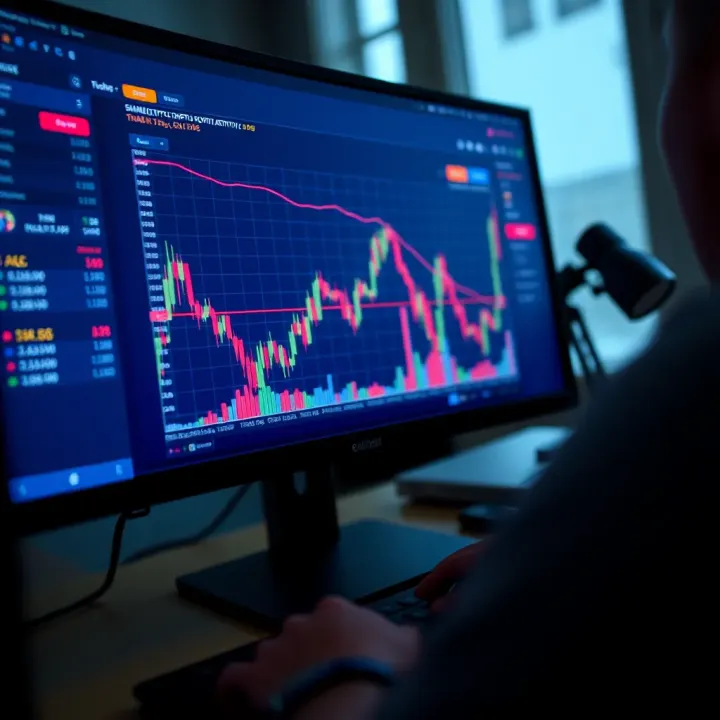
Demo Crypto Trading Guide for Beginners
🚀 Understand demo crypto trading and practise buying and selling cryptocurrencies risk-free. Learn tips, benefits, and limits to prepare before real market investing.
Edited By
Liam Bennett
Crypto demo trading is a practice method where you trade cryptocurrencies using virtual money instead of real funds. This means you can experience market conditions and test trading strategies without risking any actual money. Platforms offering demo trading simulate real-time crypto market fluctuations, giving you a feel of genuine trading environments.
For beginners and seasoned traders alike, demo accounts serve as a valuable tool to familiarise with crypto assets such as Bitcoin, Ethereum, or Ripple. It lets you try buying, selling, and placing orders without facing the stress or pressure that comes with real losses. For example, you might practice buying Bitcoin when prices dip and selling when they rise, all within the safety net of virtual funds.
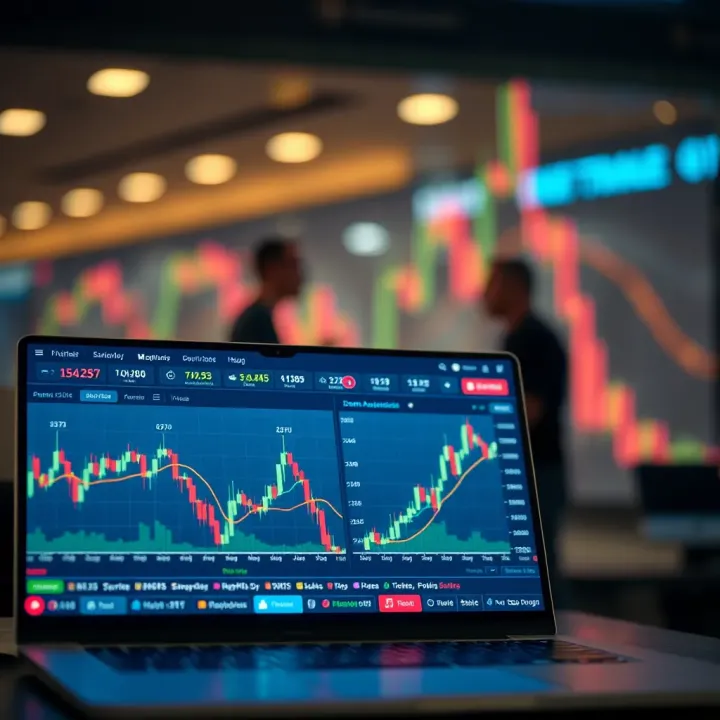
Demo trading acts like a flight simulator for traders — it builds skills and confidence before you take off with real money.
Besides learning basic trading terminology and order types, demo trading helps you understand how exchanges work, including fees and slippage. If you’re using margin or leverage, practising in a demo account prevents costly mistakes in live markets. Platforms like WazirX, CoinDCX, or international ones like Binance commonly provide demo accounts for this reason.
While practising, focus on developing a clear trading plan and discipline. Track your virtual trades and analyse what works or does not. Remember, even the best strategies can falter under real market emotions — so demo trading should be a step to build skills, not a guarantee for profits.
Moving forward, we'll explore how you can make the most of crypto demo trading, common platforms, and what to watch out for when transitioning to actual trading. This way, you approach the real crypto market with better preparation and fewer surprises.
Crypto demo trading is a risk-free method for new traders to learn how cryptocurrency markets operate and test their trading skills without using real money. Given the volatile nature of crypto assets, practising on a demo platform helps you understand market movements and trading tools before committing actual funds. This hands-on experience can save significant losses that beginners often face when diving straight into live markets.
Practising without using real money allows traders to operate in a simulated environment where virtual funds replace real capital. For example, instead of risking ₹10,000, you'll trade with a fake balance provided by the platform. This safety net encourages experimentation with different crypto coins, like Bitcoin or Ethereum, and helps you develop trading habits without financial pressure.
Building familiarity with crypto markets is essential since cryptocurrencies trade 24/7 across many exchanges, and their prices swing rapidly. Demo trading exposes you to price charts, technical indicators like moving averages, and order types such as limit or market orders. This experience demystifies jargon and helps you grasp how market events impact prices, which is crucial before handling live funds.
Simulating real trading conditions gives you a sense of the practical challenges involved — for instance, placing orders, managing stop-losses, or reacting to sudden price drops. Although demo trading can't fully replicate the emotional stress of losing money, it still mimics the mechanics of trading platforms and market fluctuations closely, making it a valuable practice space.
Virtual wallets and fake balances form the backbone of demo trading platforms. Instead of linking to your real crypto holdings, these accounts start with a fixed amount of virtual currency. For instance, a demo platform might credit you with ₹1,00,000 virtual rupees. You can then buy or sell cryptos in simulated markets without exposing your pocket.
Market data feeds and order execution on demo platforms usually use either live or slightly delayed market data to ensure realism. When you place an order, the platform imitates how real orders get executed, including aspects like order matching and timing. However, demo accounts might not perfectly recreate slippage or liquidity issues common in live trading.
Tracking performance and analytics is another useful feature. Demo platforms often offer tools to analyse your trade history, win-loss ratio, and overall returns. This feedback helps you identify weak points—such as overtrading or poor timing—and tweak your strategies accordingly. It’s like a performance report card for your crypto trading skills, allowing steady improvement before risking real money.
Demo trading offers a practical bridge for beginners, turning theory into action without financial risks, making the transition to live markets much smoother.
By understanding these aspects, you'll gain clarity about what crypto demo trading exactly entails and how it lays a solid foundation for real-world investing.
Crypto demo trading provides a safe environment where beginners can learn without risking real money. It acts like a playground where you can get used to market dynamics and trading tools without worrying about losses. This approach helps new traders gain practical skills, making the eventual switch to live trading less intimidating.
Understanding price charts and indicators is fundamental for any trader. Demo trading lets you explore various chart types such as candlestick or line charts, and use indicators like moving averages or Relative Strength Index (RSI). For example, you might see how a crossover in moving averages signals a buy or sell opportunity. Experiencing this in demo mode helps you grasp how market trends evolve and how indicators alert you to possible price changes.
Using trading orders and stop-loss features is another critical skill. Demo accounts allow practising placing market orders, limit orders, and stop-loss orders without financial consequences. For instance, if you set a stop-loss on Bitcoin at ₹30 lakh, the demo platform will show how this order protects you from deeper losses when price drops. This hands-on familiarity is invaluable because, in live markets, improper use of these tools can lead to unexpected losses.
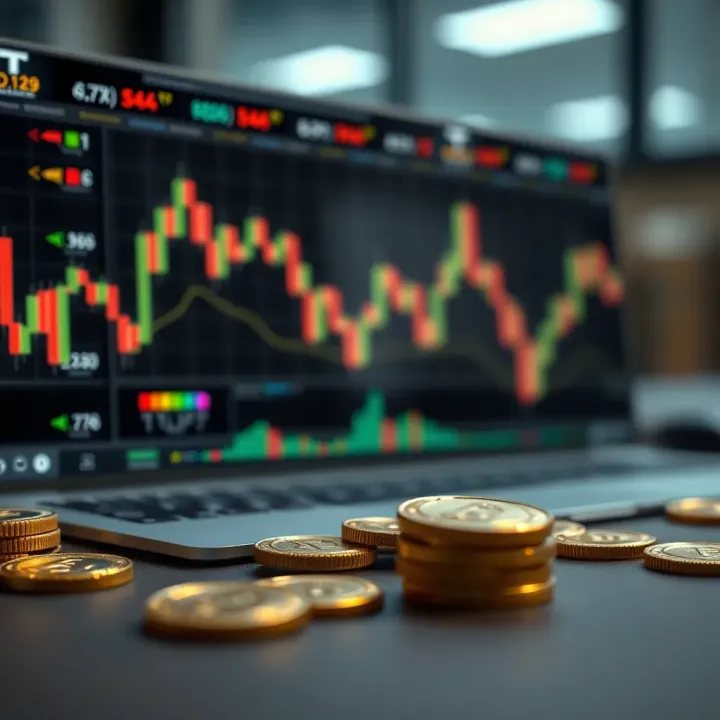
Demo trading enables you to test strategies before risking real funds. If you want to try scalping or momentum trading, demo accounts give you the chance to observe results over time. This testing builds confidence and refines your approach, helping avoid costly mistakes once real money is involved.
Moreover, simulated trading exposes you to emotional responses – like excitement during gains or frustration during losses – but in a risk-free way. This emotional rehearsal helps you understand your risk tolerance and decision-making patterns. So, by the time you start real trading, you’re better prepared for the psychological ups and downs.
Demo platforms let you try various trading styles such as day trading and swing trading. Day trading involves frequent buying and selling within a single day, relying on quick decisions, while swing trading holds positions for days or weeks to catch larger price moves. Practising both styles helps you identify which suits your temperament and time availability better.
Evaluating strategy effectiveness over time is crucial. Demo accounts track your trades and show detailed performance analytics. For example, you might notice your day trading approach has a 70% success rate but your swing trades lag behind. This feedback guides you to focus on methods that work best for you before committing real capital.
Practising with a demo account allows you to sharpen skills, manage risks wisely, and adapt strategies, making live crypto trading less daunting and more structured.
Selecting the right crypto demo trading platform matters because it shapes your learning experience and prepares you for real trading. A good platform helps you understand market behaviour clearly, use tools effectively, and test strategies without facing the risks of real money. Failing to pick the right platform might leave you confused or unprepared, particularly since crypto markets move fast and demand precise execution.
A straightforward interface reduces the learning curve, especially if you're new to crypto trading. The platform should display charts, orders, and wallets clearly, without clutter or confusing menus. For instance, platforms like Binance and WazirX offer simple dashboards where beginners can easily place orders or check portfolio value. If the interface is complicated, you could waste time looking for basic features instead of focusing on trading itself.
Real-time price updates let you react to market movements as they happen, which is vital for practicing day trading or scalping strategies. Some platforms offer delayed data by a few minutes to reduce costs, which works well for learning swing trading but not quick trades. Being familiar with the kind of data feed helps you match demo trading to the actual market pace. For example, platforms like CoinDCX provide live data feeds that mirror real market conditions closely.
The variety of coins on a demo platform lets you explore different market behaviours. Bitcoin's high volatility differs from a stablecoin like USDT, so trading both builds well-rounded skills. Look for platforms offering a mix of popular coins such as Ethereum, Ripple, and newer tokens. This helps you identify which assets suit your style and understand diverse price trends.
Few Indian exchanges officially provide demo accounts, but some international ones accessible in India do. Binance offers a "testnet" where you practise with virtual funds, while WazirX’s mobile app includes a practice mode. These demo accounts help Indian traders learn without risking ₹10,000s upfront. Choosing an exchange with a demo option ensures you gain clear insights into order types, charting tools, and portfolio management.
Mobile apps offer convenience for trading on the go, so many Indians prefer platforms like CoinDCX and ZebPay for their mobile demo versions. Desktop platforms, however, often provide more powerful charting and analytics features. If you intend to trade seriously, practising on both can make you versatile. For example, a tablet or laptop screen offers a better view of charts compared to a mobile’s small display.
Though demo trading uses virtual money, choosing a platform integrated with Indian payment systems like UPI, IMPS, or net banking smoothens the transition to real trading. Platforms supporting Indian payment gateways make deposits and withdrawals seamless, helping you fund your live account quickly. This integration also often reflects in better user experience and customer support for Indian traders.
Picking the right demo platform tailored to your needs will build your confidence and trading skills effectively, making the step into real crypto trading less risky and more informed.
Crypto demo trading offers a risk-free way to practise and understand the mechanics of cryptocurrency markets. That said, it has key limits traders must keep in mind to avoid misconceptions when moving to real trading.
Demo trading uses virtual money, removing the real financial stakes that influence decision-making. Without actual money on the line, traders often don’t experience the anxiety, fear, or excitement that come with real investing. This emotional gap can lead to behaviours in demo trading that don’t carry over once real funds are involved. For instance, a trader might hold onto losing positions longer than they should or take on excessive risk because they know there’s no real loss.
In demo accounts, trades generally execute instantly at displayed prices. However, in real markets, trade execution speeds can vary, especially during volatile market conditions. Slippage occurs when the actual trade price differs from the expected price due to rapid price changes or insufficient liquidity. This effect can cause real trade results to differ noticeably from demo simulations, which usually don’t replicate slippage or partial fills. A demo platform might show an instant buy at ₹3,00,000 per bitcoin, but real trading could mean buying at ₹3,01,000 or more, impacting your returns.
Demo trading platforms often use idealised market conditions with abundant liquidity and stable spreads. Real crypto markets can have varying liquidity depending on the cryptocurrency, trading volume, and exchange used. Low liquidity coins may suffer from wider spreads and price volatility, affecting your ability to enter or exit trades smoothly. Demo accounts usually don’t capture these real-world challenges, potentially giving a false sense of ease in trading.
Success in demo trading doesn’t guarantee similar outcomes in real markets. Real trading involves factors like emotions, real money management, and dealing with unexpected system issues or slippage. New traders might develop overconfidence from positive demo results and underestimate challenges of live trading. For example, a strategy that works well in demo may fail due to different market behaviour or execution delays under real conditions.
Demo environments often lack the pressure of risking genuine capital, which is essential for real risk management discipline. Traders might ignore setting stop-loss orders, misjudge position sizing, or disregard psychological limits on losses. When actual money is involved, sticking to risk controls becomes harder yet critical for protecting capital. Overlooking these limitations can result in heavy losses soon after shifting from demo to live trading.
Understanding these limitations helps new traders approach demo trading with realistic expectations and readiness for the leap into live crypto markets. Balancing demo practice with awareness of real market challenges sets up a stronger foundation for success.
Demo trading is a powerful tool, but it only benefits you if used wisely. Setting clear goals, practising under conditions that mimic real trading, and preparing mentally to switch from virtual to actual trading can make all the difference. Let’s break down how you can use demo trading effectively before risking real money.
Focusing on specific trading skills helps streamline your demo experience. Instead of trying to learn everything at once, pick skills like reading candlestick charts, placing stop-loss orders, or understanding volatility. For example, you might spend a week just getting comfortable with using limit and market orders. This targeted approach ensures you don’t get overwhelmed and that you build solid foundations step by step.
Tracking progress and mistakes is equally important. Keep a trading journal or digital record where you note down each trade, the reasoning behind it, and the outcome. This practice highlights recurring errors—perhaps you’re too quick to exit a position or holding on despite losses. By recognising these patterns early, you can refine your strategy before moving to live markets.
Limiting virtual capital to typical investment size adds realism to your practice. If you plan to start live trading with ₹50,000, set your demo balance close to this amount rather than practising with lakhs of virtual rupees. This habit trains you to manage your capital cautiously and mirrors the pressure you will face with real funds.
Timing practice sessions according to market hours enhances practical learning. Crypto markets run 24/7, but prices may become more volatile during specific periods tied to global markets or token launches. Practising during these busy hours helps you experience real-world liquidity and price movements rather than smooth, uneventful charts.
Starting with small amounts when you switch to live trading reduces risk while you test your readiness. Even if your demo account shows consistent success, live trading introduces emotions like fear and greed. Investing ₹5,000 or ₹10,000 initially can help adjust to these feelings without serious financial damage.
Continuously reviewing and adapting strategies keeps you ahead in changing markets. After going live, revisit your trades regularly to spot what worked and what didn’t. Markets evolve quickly, and what worked in demo or earlier live trades might lose effectiveness. Adapting your approach ensures steady improvement and helps avoid costly mistakes.
A thoughtful, disciplined approach to demo trading will prepare you for the real market better than random practice. Treat your demo time as seriously as you would live trading to make the transition smooth and effective.
Using demo trading as a stepping stone with clear goals, realistic practice, and careful transitioning can save you from costly early errors and build the skills needed for success in crypto trading.
🚀 Understand demo crypto trading and practise buying and selling cryptocurrencies risk-free. Learn tips, benefits, and limits to prepare before real market investing.
Learn how colour trading demo accounts let Indian traders practise strategies risk-free 🎯. Discover platform tips, key features, benefits, and common pitfalls before going live 🚀.
Explore QX trading 📊 with insights on concepts, tools, strategies, risks, technology, and regulations—practical guidance for traders in the Indian market.

Explore aviator demos ✈️ to understand features, usage, benefits, technical insights, and practical tips tailored for Indian users to enhance your experience.
Based on 10 reviews