

QXBroker.com Guide for Indian Traders
Explore QXBroker.com in detail for Indian traders 📈! Learn about platforms, accounts, security, and support to trade confidently and wisely in India 🇮🇳.
Edited By
Sophie Mitchell
Apple Inc., known globally for its innovative gadgets and seamless ecosystem, is an influential player in the stock markets as well. For investors in India looking to diversify portfolios with international assets, understanding Apple shares is essential. This guide offers clarity on Apple stock’s market behaviour, financial position, and access routes for Indian traders.
Apple’s shares are listed on NASDAQ under the ticker symbol AAPL. Since its public offering in 1980, the stock has shown considerable growth, reflecting the company’s consistent revenue streams from iPhones, MacBooks, Services, and Accessories. The stock is known to be a stable growth vehicle, often regarded as a blue-chip investment.
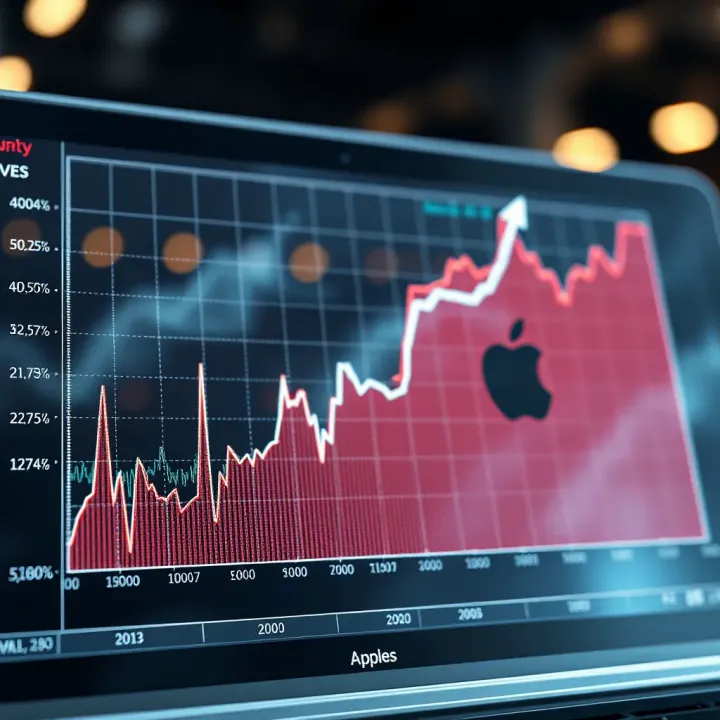
Price History: The share price has witnessed multiple splits and steady appreciation, particularly in response to product launches, quarterly earnings, and broader market dynamics.
Financial Indicators: Strong revenue, high cash reserves, and solid earnings per share (EPS) ratios make Apple attractive. For example, its latest quarterly revenues crossed $90 billion, underscoring its market dominance.
Market Position: As one of the world’s most valuable companies, Apple commands significant investor interest, benefiting both short-term traders and long-term investors.
Though Apple is a US stock, Indian residents can invest through various means:
Direct Equity Investment via Foreign Brokerage: Some international brokers enable Indians to buy US-listed shares directly, including Apple.
Mutual Funds or Exchange-Traded Funds (ETFs): Many funds available on Indian platforms include Apple as part of their portfolio, easing the investment process.
Indian Depository Receipts (IDRs): While rare and currently less common for Apple, IDRs represent shares of foreign companies listed domestically.
Understanding regulatory aspects such as FEMA (Foreign Exchange Management Act) rules and tax implications helps investors trade Apple shares confidently and compliantly.
With global economic shifts impacting stock prices, staying updated on Apple’s quarterly results and industry trends remains crucial for making informed decisions.
This article will break down these elements in detail, helping you grasp how Apple shares fit within your investment strategy in today’s market.
Understanding Apple Inc. shares begins with a solid overview of the company and its market presence. This section sets the foundation by exploring what Apple does, how it earns money, and its worldwide position. For investors and traders, grasping these basics helps gauge the stock’s potential risks and rewards.
Apple primarily designs and sells consumer electronics like iPhones, iPads, and MacBooks alongside software and online services. Their ecosystem includes services such as the App Store, Apple Music, iCloud, and Apple Pay. This combination of hardware and services strengthens customer loyalty and contributes to steady revenue streams.
Regarding revenue, Apple earns from multiple streams: product sales, services, and licensing. For instance, iPhone sales traditionally made up a significant chunk of revenue, but services have been growing rapidly, showing their push beyond just gadgets. Understanding this mix is crucial for investors since shifts in these areas can impact share prices differently.
Globally, Apple enjoys a strong market presence, commanding a large share of the premium smartphone and computer markets. Its brand value and innovation keep it competitive, particularly in markets like the US, China, and Europe. This position reflects both opportunities and challenges that can affect its stock.
Apple issues common stock under the ticker symbol AAPL, which is the primary instrument for investors. These shares represent ownership and voting rights in the company, making them central to shareholder value.
Apple is listed mainly on the NASDAQ stock exchange in the US, which is vital for Indian investors looking to trade internationally. Besides NASDAQ, Apple’s shares may be available through various Indian brokerages that facilitate global stock trading.
Trading hours for Apple shares follow NASDAQ timings, generally 9:30 am to 4 pm Eastern Time. For Indian investors, these hours convert to late evening until early morning (around 7 pm to 1:30 am IST). Knowing this helps plan trades and manage risks linked to market hours.
Knowing Apple’s business specifics and share details gives investors a clearer picture of what drives the stock and how they can engage with it effectively.
Core Products: iPhones, MacBooks, iPads, Apple Watch, software, and digital services.
Revenue Streams: Hardware sales, subscription services, licensing fees.
Stock Symbol: AAPL
Primary Exchange: NASDAQ
Trading Time (IST): 7 pm to 1:30 am
This overview supports better decision-making for anyone interested in Apple’s shares, especially Indian investors seeking exposure to global tech stocks.
Examining the historical performance of Apple shares helps investors grasp how the stock has evolved through different market phases. It provides clues about the company’s growth trajectory and investors’ sentiment over time. This background is essential for making well-informed decisions, especially for those keen to understand price behaviour and trends.
Apple went public on 12 December 1980, priced at $22 per share. The IPO was a significant event, raising around $101 million — massive for that period. This launch offered early investors a rare opportunity to participate in what would become one of the most valuable companies on the planet. Today, tracking IPO details gives insight into the company’s early valuation and growth path.
Apple has split its stock several times, most notably in 1987 (2-for-1), 2000 (2-for-1), 2005 (2-for-1), 2014 (7-for-1), and 2020 (4-for-1). These splits made shares more affordable to a wider investor base and improved liquidity. While they do not change the underlying value, splits often lead to increased market interest and trading volume, which can indirectly affect price dynamics.
Several price jumps reflect Apple's strategic moves and broader market sentiment. For example, the spike following the launch of the iPhone in 2007 was a clear market signal of Apple’s product innovation strength. Similarly, the share price surge in early 2020 symbolised market confidence in its service ecosystem and 5G-ready products. These price moves are practical indicators for tracking momentum and market reaction.
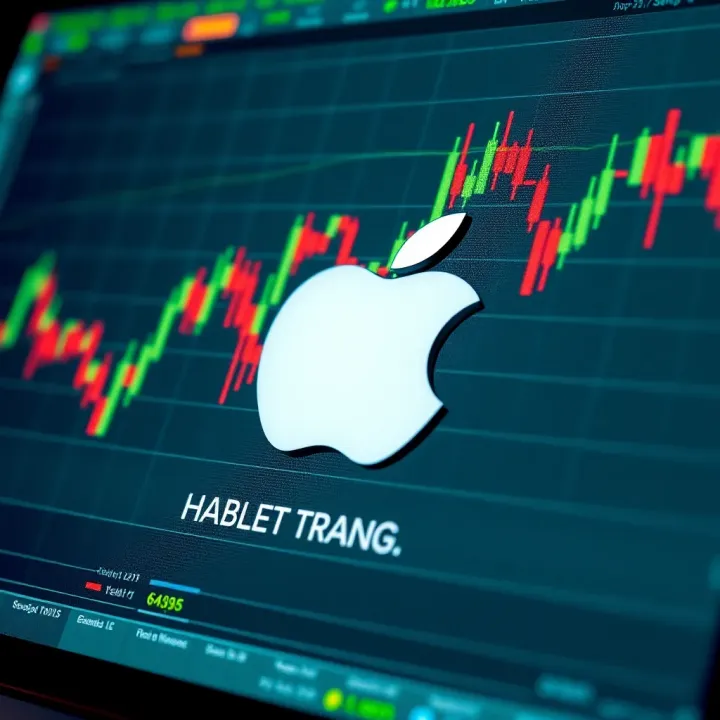
Over the past five years, Apple shares have shown considerable growth, rising from around $150 in 2019 to over $180 by the end of 2023. This period saw strong quarterly earnings, boosted by services and wearables segments, reflecting diversification beyond hardware. For Indian investors, understanding this trend highlights Apple's resilience and potential for steady value appreciation.
Apple’s shares have been sensitive to events like the US-China trade tensions and global chip shortages. For instance, the trade conflicts in 2019 led to temporary dips due to supply chain concerns. More recently, COVID-19 lockdowns also affected production but boosted demand for remote working devices. Such global influences underline the importance of factoring macroeconomic conditions when analysing Apple shares.
Apple resumed dividends in 2012 after a long pause and has consistently increased payouts since. Alongside dividends, the company has repurchased shares regularly, enhancing shareholder value. For investors, the dividend track record offers both income and growth potential. This makes Apple shares attractive not only for capital gains but also for steady cash flow over time.
Understanding Apple’s share history is key to assessing risk and reward. The stock’s growth milestones, recent trends, and responses to global events provide a comprehensive picture for smarter investment decisions.
Understanding what influences Apple Inc. share prices helps investors make informed decisions rather than relying on speculation. This section breaks down financial and market forces that impact Apple’s stock, offering clarity on how factors like earnings, sector performance, and global events play out in trading.
Apple's quarterly earnings announcements tend to cause noticeable shifts in its share price. For example, if the company reports higher profit margins or revenue than expected, investors usually respond with increased buying, pushing the share price up. Conversely, missing analysts' estimates can lead to a sell-off. This immediate market reaction reflects traders' assessment of Apple's financial health.
Understanding these quarterly results allows investors to anticipate potential volatility. For instance, the launch of the iPhone 12 in 2020 showed in the Q4 earnings, which positively influenced Apple's share trajectory due to strong sales despite the pandemic.
Apple’s key revenue streams—such as iPhone sales, services like Apple Music and iCloud, and wearable devices like the Apple Watch—directly impact profit margins and overall earnings. An increase in services revenue, for example, typically suggests more stable long-term income, given these are subscription-based.
Investors monitoring which segments grow can spot potential upsides or risks early. A decline in iPhone sales due to supply chain disruptions could signal short-term pressures, guiding investors on when to adjust positions.
New product launches are closely watched events that influence Apple’s valuation. A successful debut, like the M1 chip or AirPods Pro, often signals innovation that can drive future profits and justify share price gains.
However, delays or underwhelming market response to new products can hurt investor confidence. For example, any hiccup in launching the next iPhone or services expansion can lead to short-term downward pressure on shares.
Apple’s share price is sensitive to broader trends in the technology sector. When giants like Microsoft or Google report strong growth, investor enthusiasm can spill over to Apple due to perceived sector strength.
Conversely, if the tech sector faces regulatory scrutiny or market sell-offs, Apple’s shares might also decline despite its fundamentals. Tracking sector ETFs or indices like NASDAQ helps investors understand peer influence on Apple.
Global economic conditions impact Apple significantly. For example, US-China trade tensions can influence supply chains, affecting production costs and sales volumes in key markets.
Currency fluctuations between the US dollar and Indian rupee also affect returns for Indian investors. Economic slowdowns or inflation concerns generally reduce consumer spending, which in turn can slow down Apple's growth and share demand.
Apple competes with companies like Samsung, Xiaomi, and OnePlus in smartphones, and Spotify in services. If rivals launch compelling alternatives or price aggressively, Apple may lose market share, affecting its revenue forecasts.
Investors should track competitors’ product launches and market strategies closely. For instance, a surge in demand for budget smartphones in India may pressure Apple’s premium market segment, influencing the stock outlook.
Keeping an eye on these factors allows investors to understand the nuances influencing Apple’s share price beyond daily market fluctuations.
Investing in Apple shares from India requires understanding both the practical steps and the regulatory framework involved. While Apple is listed on the NASDAQ in the US, Indian investors can access these shares through specific channels that facilitate cross-border trading. This section outlines how Indian investors can tap into international markets, the key regulatory guidelines, and strategies to make informed investment decisions.
Many Indian brokerages now offer platforms enabling investors to buy shares listed on foreign exchanges such as NASDAQ and NYSE. Firms like ICICI Direct, HDFC Securities, and Zerodha have tie-ups with global partner brokers. Through these platforms, investors can open a single account and then trade Apple shares denominated in US dollars without setting up foreign trading accounts separately. This convenience simplifies the investment process and reduces the hurdles of accessing international stocks.
Indian investors must adhere to the Reserve Bank of India (RBI) regulations under the Liberalised Remittance Scheme (LRS), which allows individuals to remit up to $250,000 annually for overseas investments. Simultaneously, the Securities and Exchange Board of India (SEBI) requires disclosures and compliance when dealing with foreign securities to prevent money laundering and protect investors. Brokers usually ensure these rules are followed, but investors should confirm their compliance, including filing relevant declarations with tax authorities.
Purchasing Apple shares involves converting Indian Rupees (₹) into US dollars, exposing investors to currency risk. Fluctuations in the exchange rate can affect overall returns besides stock price movement. Additionally, capital gains from selling Apple shares abroad are taxable in India; long-term capital gains above specified thresholds incur a 20% tax with indexation, while short-term gains follow the individual's income tax slab. Investors are also subject to double taxation avoidance agreements between India and the US, but they should keep thorough records for accurate filing during the Income Tax Return (ITR) process.
Apple shares suit both long-term wealth creation and short-term trading depending on investor goals. Long-term investors benefit from Apple's stable growth, dividend payouts, and innovation pipeline. On the flip side, traders may capitalise on price volatility around product launches or earnings releases. Understanding your risk appetite and time horizon is essential; holding shares for several years often smoothens market ups and downs.
Though SIPs are popular in mutual funds within India, systematic investing in international stocks typically requires manual monthly or quarterly purchases through brokerage platforms. Regularly investing fixed amounts lessens the impact of market fluctuations. Diversifying Apple shares with other technology stocks or sectors creates a balanced portfolio, reducing reliance on a single company’s performance and managing portfolio risk more effectively.
Investing in Apple involves risks such as currency volatility, geopolitical tensions affecting US markets, and competitive pressures in the tech industry. To manage risks, investors should set stop-loss limits, avoid overexposure to a single stock, and stay updated on regulatory changes in both countries. Consulting financial advisors or using robo-advisory platforms with global stock capabilities can provide tailored strategies suited to an investor’s profile.
For Indian investors, understanding the blend of international market access, regulatory compliance, and smart investing strategies is key to making Apple shares a valuable addition to their portfolio.
Understanding the value of Apple shares as an investment helps you make informed decisions about your portfolio. Evaluating these shares involves weighing both the company's strengths and the potential challenges it faces. This section breaks down the key reasons to consider Apple for investment and factors that might add risk to this choice.
Apple's brand is among the strongest worldwide, recognised for quality, style, and ease of use. Its loyal customer base keeps returning with each new product release, providing a dependable revenue stream. For instance, many users stick to the Apple ecosystem, buying multiple devices like iPhones, MacBooks, and Apple Watches, which supports ongoing sales.
This loyalty itself acts as a buffer when markets fluctuate. New launches typically generate significant hype in India and elsewhere, giving Apple a recurring boost in sales and investor confidence.
Apple constantly updates its products and explores new categories, such as wearables, services, and augmented reality. This ability to innovate keeps it relevant even amid fast-changing technology trends. For example, its move towards health-focused wearables has opened new revenue streams beyond phones and computers.
Having a robust product pipeline can cushion the impact of sales slowdowns in any single category. It also keeps investors optimistic about the company’s future growth.
Apple has shown strong financial resilience, holding large cash reserves and generating high profits every quarter. This financial strength allows the company to invest heavily in research, pay healthy dividends, and buy back shares—activities that generally support share price appreciation.
In India’s context, this solid financial base means Apple shares offer not just growth potential but also regular income through dividends, an attractive feature for many investors.
The tech market, especially smartphones, sees intense competition from brands like Samsung, Xiaomi, and OnePlus that offer lower prices. This competition pressures Apple to innovate and maintain its premium pricing. Moreover, markets in developed countries are saturated, limiting growth prospects there.
This means Indian investors should watch how Apple adapts to such challenges, especially in price-sensitive regions, as it could affect future earnings.
Apple relies heavily on flagship products like the iPhone for the majority of its revenue. Any slowdown in iPhone sales can significantly impact total earnings. Plus, Apple's supply chain is global and complex, involving many component suppliers, mostly in Asia.
Events like the pandemic or geopolitical tensions can disrupt this supply chain, leading to delays and higher costs. Investors need to consider these vulnerabilities as factors that might introduce volatility.
Apple’s operations span many countries, exposing it to various regulatory environments. Data privacy laws, antitrust regulations, or tariffs can pose hurdles. India’s increasing scrutiny of foreign tech companies and data localisation norms are good examples.
Geopolitical tensions between major economies may also make Apple’s business environment uncertain, affecting its stock performance. Thus, keeping an eye on policy changes both in India and globally is prudent.
Evaluating Apple shares means balancing its strong core with the risks from competition, supply chain dependency, and regulatory changes. This comprehensive view helps you decide if Apple fits your investment goals today and tomorrow.
Explore QXBroker.com in detail for Indian traders 📈! Learn about platforms, accounts, security, and support to trade confidently and wisely in India 🇮🇳.

Explore QX Broker’s trading features, fees, accounts, support & regulations tailored for Indian traders to help you trade smarter 📈💹📊

🔐 Learn how to smoothly log in to Quotex as an Indian trader! Get tips on navigation, troubleshooting, securing your account, and using key features effectively.

Explore Quotex.com, a trusted trading platform in India 🇮🇳—learn about account setup, trading tools, fees, security & support to trade wisely.
Based on 9 reviews