
Forex Online Trading in India: A Practical Guide
📈 Explore forex online trading in India with practical tips on market operations, platform choices & risk management, plus guidance on regulations & trader strategies.
Edited By
Charlotte Evans
Selecting the right forex card can save you considerable money and headaches while travelling internationally. Unlike cash or credit cards, forex cards lock in exchange rates beforehand and help you avoid hidden currency conversion fees. This makes them a popular choice among Indians who travel abroad for tourism, work, or business.
A forex card is essentially a prepaid card loaded with foreign currency. When you use it overseas, your transactions draw from this preloaded balance, allowing better control over your spending and reducing risk from currency fluctuations. Several banks and financial institutions in India offer forex cards with varied features, rates, and charges, making the selection process a bit overwhelming.
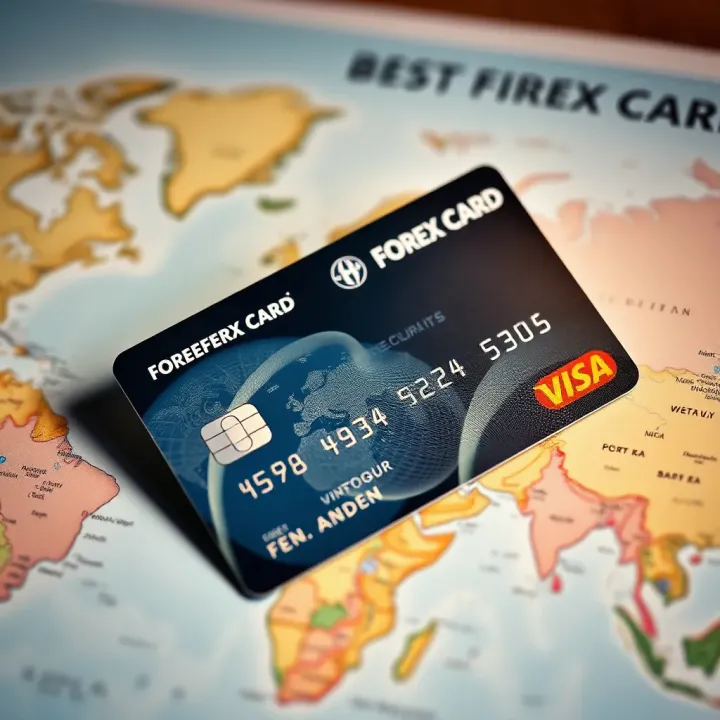
Choosing the best forex card depends largely on your travel frequency, destination, spending habits, and safety preferences.
Understanding the benefits and key features of forex cards will help you make an informed decision. They usually provide advantages like:
Competitive exchange rates compared to cash conversion
Enhanced security with PIN and chip-based technology
Protection against theft or loss through quick card blocking
Option to reload online without visiting a branch
However, factors such as card issuance fees, reload charges, ATM withdrawal limits, and multi-currency support vary widely. For instance, some forex cards support 15+ currencies, allowing seamless travel across countries without the need for multiple cards.
In this article, we will break down how forex cards work, compare top options available for Indian travellers, and outline practical tips to get the most value. Whether you are a frequent traveller or planning a single trip, this guide aims to equip you with clear knowledge to pick a forex card that fits your needs and budget efficiently.
Understanding forex cards is essential for anyone planning to travel abroad, especially Indian travellers looking to manage their foreign currency efficiently. Forex cards allow you to carry prepaid foreign currency safely, helping avoid multiple currency exchange hassles and unnecessary charges. Knowing their benefits and how they work can equip you to make better decisions suited to your travel needs.
A forex card is a prepaid travel card loaded with foreign currency before you leave India. Unlike credit or debit cards linked to your bank account, a forex card holds a fixed amount in foreign denominations like US dollars, euros, or pounds. This helps you lock rates and budget your expenses during your trip.
You load money onto the forex card offline at your bank branch or online through your card issuer’s website or app. Once loaded, use it like a debit or credit card abroad to withdraw cash from ATMs or make payments at shops, restaurants, and hotels. For example, if you’re travelling to the US, you can load the card with US dollars and avoid extra conversion charges that banks or merchants might levy.
Cost savings over currency exchange kiosks: Forex cards generally offer better exchange rates compared to money changers at airports or local kiosks. Airport counters often take an unnecessary margin, hitting your travel budget hard. By loading your card ahead at predetermined rates, you lock in better value and avoid sudden rate fluctuations.
Security features and fraud protection: Carrying large amounts of cash is risky. Forex cards come with chip-and-PIN protection and can be blocked immediately if lost or stolen. Unlike credit cards, the risk is limited to the loaded amount, so your bank account stays safe from unauthorised transactions.
Convenience of multi-currency options: Many forex cards allow loading multiple currencies on one card. This is useful if you plan to visit several countries. For instance, a card loaded with both euros and British pounds saves you from carrying separate cards or exchanging currency multiple times.
No roaming transaction charges compared to cards: Regular debit or credit cards often add roaming or forex markup fees on every international transaction. Forex cards avoid these hidden charges, as transactions are processed in the stored foreign currency itself. This means you pay only the rate locked during loading, saving you from unexpected fees.
Using forex cards smartly can save you significant money and worry during overseas trips — making them a practical choice for today’s Indian traveller.
Choosing the right forex card means understanding which features matter most for your travel and spending needs. Comparing key factors helps avoid unwanted surprises, like high fees or unsupported currencies, and ensures smooth transactions abroad. This section covers loading limits, supported currencies, fees, and recharge options — elements that determine the convenience and cost-effectiveness of your forex card.
Maximum and minimum loading amounts set the boundaries for how much foreign currency you can preload onto your card. This matters because a card with a low maximum might not meet the needs of long trips, while a high minimum loading amount may not suit travellers visiting briefly or on a budget. For example, if you plan a two-week vacation to Europe and Asia, you’ll want a card that lets you load enough euros and yen without moving excessive funds upfront.

Range of foreign currencies supported varies widely across issuers. Some cards support only a handful of major currencies like USD, GBP, and EUR, while others cover 15 to 20 options, including AUD, CAD, SGD, and AED. Multi-currency support is especially handy if you’re visiting multiple countries, saving you conversion hassles and fees. Imagine you’re travelling from India to Dubai and then Singapore—loading a single card with Dirhams and Singapore dollars avoids multiple currency exchanges.
Card issuance and delivery fees are one-time costs when you get your forex card. They can range from ₹200 to ₹1,000 depending on the bank or provider. While these may seem small, upfront charges add to the total travel expense and influence overall value, especially if you don’t use the card often.
Reload fees and inactivity charges come into play when you add money later or leave the card unused for months. Reload fees vary, sometimes up to ₹100 or a percentage of the amount reloaded. Inactivity charges might start after 6 or 12 months, costing ₹50-₹100 monthly. Keeping track of these can save money, especially for infrequent travellers.
Currency conversion and ATM withdrawal charges are critical as they directly impact your spending abroad. Some cards charge a flat fee or a percentage for every ATM withdrawal, often ₹200 plus 2-3% of the withdrawn amount. Currency conversion fees apply when you transact in a currency your card doesn’t support or when the merchant converts charges to another currency. For instance, a card supporting only USD and EUR might apply conversion fees in Thailand’s Baht. Choosing a card with low withdrawal and conversion charges can reduce surprise costs.
Online recharge facilities help you add foreign currency anytime without visiting a bank branch. This flexibility is especially useful if your travel plans extend or change suddenly. Look for cards that allow instant reloads via net banking or mobile apps, so you’re not stranded with a zero balance abroad.
Real-time balance checks and transaction alerts through mobile apps or SMS keep you informed about your spending and remaining funds. Alerts help detect unauthorised transactions quickly, ensuring security. Such features also aid budgeting during travel—knowing your balance immediately helps avoid declined payments or excess spending.
Comparing these features before settling on a forex card can save you considerable hassle and expenses. Prioritise what matters most based on your travel style: flexible loading, broad currency coverage, low fees, and digital convenience.
For Indian travellers, selecting a forex card that's widely accepted with reasonable fees is a key part of hassle-free foreign trips. The most popular forex cards combine multiple currency support, easy reload options, and good security features to suit different travel needs and destinations. Understanding what top banks offer can help you pick a card matching your usage patterns, whether for business or leisure travel.
The HDFC Bank ForexPlus Card supports over 20 foreign currencies, a good range for travellers heading to Europe, the US, or ASEAN countries. You can load and lock in currency rates before travel, helping avoid losses due to exchange rate fluctuations. Its chip and PIN security boosts confidence while making payments or withdrawing cash abroad.
Charges are competitive, with no loading fees if done online and nominal issuance fees. ATM withdrawal charges vary depending on the country but are generally reasonable compared to prepaid card alternatives. Its usability includes acceptance at millions of merchant outlets globally, so you rarely run into acceptance issues.
ICICI’s Travel Card offers smooth reload options through its mobile app, allowing you to top up in Indian Rupees from anywhere. The app provides instant notifications for transactions and balance checks, which enhances convenience while travelling.
While the card carries issuance and reload fees, ICICI Bank provides benefits like cashback on reloads and discounts on flight bookings through their platforms. The fees balance out for frequent users who appreciate the convenience and rewards offered.
Axis Bank’s card stands out for its multi-currency support, allowing you to load up to 15 currencies on a single card. This reduces the need to carry different cards for each destination, especially useful for multi-stop trips. This advantage saves you both time and conversion costs.
Customer service is a strong point, with 24/7 phone support and an easy-to-use online portal for card management. Reporting loss and blocking the card can be done instantly online, offering peace of mind when navigating unfamiliar cities.
SBI’s Foreign Travel Card features competitive exchange rates, often more favourable than cash exchange rates at local kiosks. It supports multiple currencies with instant loading, making last-minute top-ups straightforward.
Security-wise, SBI implements EMV chip protection and OTP verification for online transactions. Combined with lodging emergency contact support, this makes the card a reliable choice for safety-conscious travellers.
Choosing the right forex card depends on your travel frequency, destinations, and preferred conveniences. Reviewing these top cards' features helps ensure you get a card that looks after your money and simplifies your spending abroad.
Mastering how to use and manage your forex card is vital to getting the most out of this travel financial tool. Proper usage not only helps avoid unnecessary fees but also enhances safety and convenience when you are abroad. Let’s break down the key steps and practical tips that ensure your forex card works smoothly for your trip.
Activation can usually be done either by visiting your bank branch or through their online portal. For instance, if you choose HDFC Bank, their forex card requires activation via net banking or by calling customer care. This process is quick, often completed within minutes once you verify your identity.
After activation, loading currency is next. You select the amount and the foreign currency you want (such as USD, EUR, or GBP), either online or at the bank counter. Setting your Personal Identification Number (PIN) immediately after loading adds a layer of security for all your transactions abroad. Without this, ATM cash withdrawals or Point of Sale payments won’t process.
Forex cards are accepted widely at merchants, restaurants, and hotels wherever major credit/debit cards are taken, including international airport lounges. They also work at ATMs that support foreign cards, allowing you to withdraw cash as needed. Keep in mind, some countries prefer chip-and-PIN cards, so ensure your forex card has this feature.
Withdrawal limits vary across card providers and countries but typically range from ₹25,000 to ₹50,000 per day. Withdrawal fees apply, usually a fixed amount plus a percentage of the withdrawn sum. For example, ICICI Bank charges around ₹100 plus 2.5% of the withdrawal amount abroad. Knowing these charges beforehand helps you plan cash needs better and avoid surprise costs.
Always keep emergency contact numbers handy, preferably saved on your mobile and a physical copy in your luggage. Most banks have 24/7 helplines to block cards instantly in case of theft or loss, preventing unauthorised transactions.
If your card is lost or stolen, immediately call the helpline to block it. You can then request a replacement card which some banks deliver internationally within a few days, though it might come with additional fees. Meanwhile, rely on backup payment options like mobile wallets or secondary cards to avoid inconvenience.
Always treat your forex card like cash abroad. Quick blocking and prompt reporting of issues can save you from substantial losses.
Managing your forex card effectively involves knowing these practical steps. Being prepared with activation procedures, usage norms, and emergency handling ensures your travel money stays secure and accessible when you need it most.
Making the most of your forex card is key to saving money and avoiding hassle during international travel. Understanding how to plan your currency loads and knowing how to steer clear of unnecessary fees can improve your overall experience and prevent surprises. These tips can help you use your forex card efficiently, letting your money stretch further while you enjoy your trip.
Estimating your daily expenses before you leave goes a long way. Think about costs like meals, transport, entry fees, and shopping for each day of your trip. For instance, if you plan to spend around $50 daily in Singapore for food and local travel on a 7-day trip, loading ₹25,000 (roughly $330) onto your forex card might suffice. It's better to overestimate slightly than to reload frequently, as reloads sometimes attract extra fees or take time.
Currency fluctuations can impact your travel budget, so loading funds close to your travel date usually helps. For example, if the US dollar strengthens against the rupee just before your trip, you will get fewer dollars for the same amount of rupees if you load earlier. Tools like currency rate alerts or bank apps help track such changes, so you can pick the best time to load your card.
Whenever possible, use your forex card for purchases instead of cash withdrawals. ATM withdrawals often have higher charges, including convenience fees or limited free withdrawals per month. Paying directly with your card avoids these costly cash-outs. Many shops, hotels, and restaurants abroad accept forex cards just like debit or credit cards.
Always select to pay in the local currency rather than your home currency at the point of sale. Dynamic currency conversion lets merchants bill you in rupees but often at unfavourable exchange rates, increasing your costs. Opting to pay in the local currency means your forex card uses the favourable exchange rate fixed when you loaded money, saving you money on your foreign purchases.
Planning ahead and using your forex card smartly can save hundreds of rupees during your trip. Small choices like paying in local currency and estimating expenses help avoid unnecessary costs.
By keeping these practical points in mind, you can stretch your budget while using forex cards, making your foreign trips smoother and less expensive.
📈 Explore forex online trading in India with practical tips on market operations, platform choices & risk management, plus guidance on regulations & trader strategies.
Explore Quotex forex trading in India 🇮🇳 with our detailed guide on platform features, account types, trading strategies, and risk management tips.
Explore RBI-approved forex brokers in India 🇮🇳, understand safe trading tips, authorized dealers, legal instruments, and avoid unregulated platforms 📉💱.

Discover the best time for forex trading in India 📈 master global sessions, volatility, and economic events to optimise your strategy within Indian timings and rules.
Based on 12 reviews