
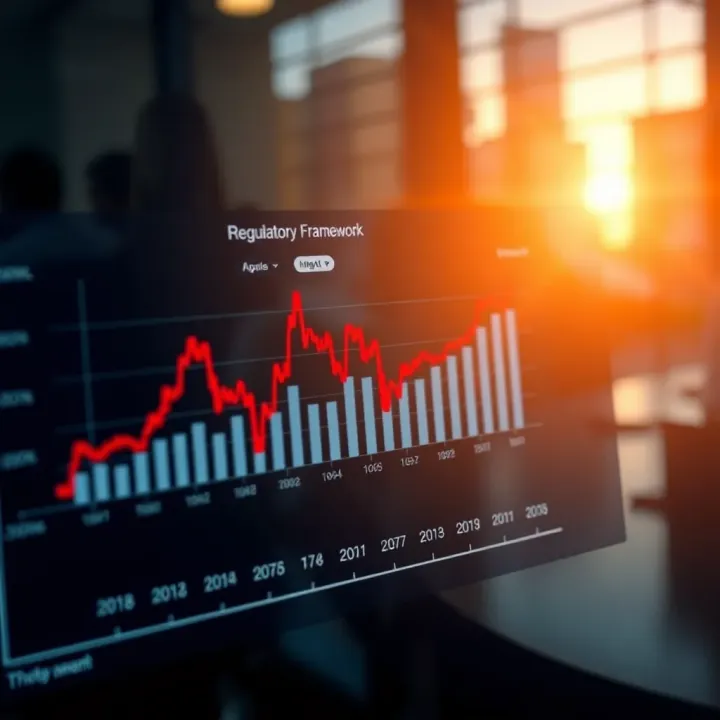
RBI Registered Forex Brokers in India Explained
🔍 Explore how RBI registered forex brokers operate in India, their rules, benefits, risks, and tips to spot legit brokers for safe trading 🇮🇳💱
Edited By
Oliver Hughes
Trading forex in India requires a solid understanding of when the market offers the best opportunities. Unlike stock markets, forex trading happens 24 hours a day. But not all hours are equal for Indian traders. Understanding market sessions, volatility trends, and the influence of local regulations helps maximise profits while managing risks.
India's forex market is strongly linked to global financial hubs such as London, New York, and Tokyo. However, due to the time difference, the active trading hours in India fall unevenly across the day. For example, the London session, which begins around 3:30 pm IST, tends to show higher volatility and liquidity compared to other sessions.
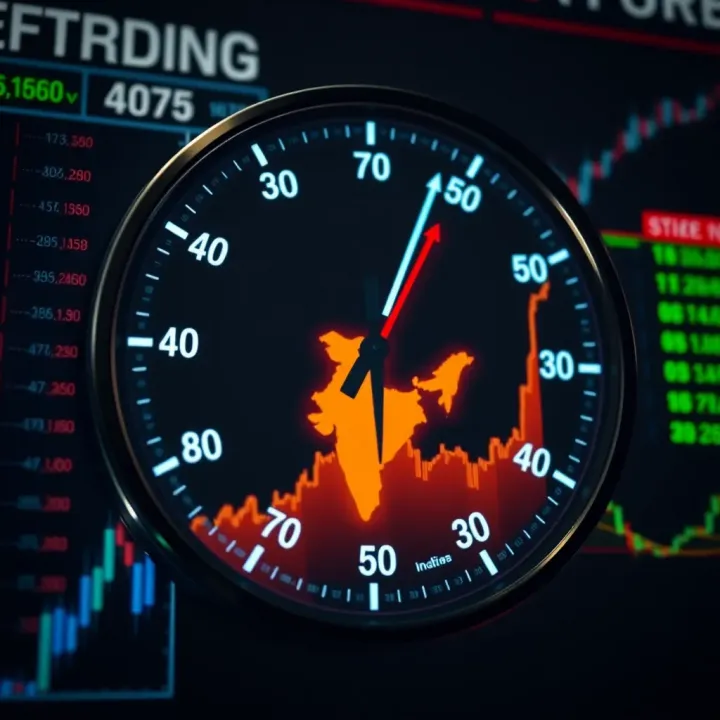
Liquidity often peaks during the overlap between London and New York sessions, roughly 6:30 pm to 9:30 pm IST, offering the best chance to enter or exit trades swiftly and at favourable prices.
On the other hand, early morning hours before the Asian markets open, roughly up to 5:30 am IST, usually see thinner activity, resulting in less favourable trading conditions.
Additionally, Indian regulations restrict forex trading to currency pairs involving the Indian Rupee (INR), such as USD/INR or EUR/INR. This focus on INR pairs means traders need to keep an eye on domestic events, Reserve Bank of India (RBI) policy updates, and economic data releases, which can cause sudden market swings, especially during Indian business hours.
For instance, the RBI’s monetary policy announcements around 10 am IST can spark sharp movements. Thus, traders often prepare to trade around this time, even though the global markets might not be very active then.
Combining knowledge of global session timings with Indian-specific regulatory and economic factors enables traders to choose the best periods for forex trading.
Knowing the forex market hours is vital for Indian traders because the forex market operates 24 hours a day, but not all hours offer the same trading opportunities. Different global trading sessions open and close at specific times, and each session brings varied levels of activity influenced by regional economic factors. Understanding these hours helps you plan your trades effectively and catch the moments when the market is most active and liquid.
The forex market is divided primarily into four major trading sessions: Sydney, Tokyo, London, and New York. Each session corresponds to the business hours of those financial centres. For instance, the London session is generally considered the most influential, handling a significant volume of forex transactions daily. The Tokyo session caters mainly to Asian pairs, while New York and London sessions overlap, causing increased action in pairs linked to the US and Europe.
In terms of Indian Standard Time (IST), conversions matter a lot because these sessions take place across different time zones. For example, the London session runs roughly from 1:30 pm to 10 pm IST, while New York operates between 6:30 pm and 3:00 am IST. Sydney and Tokyo sessions typically fall outside standard Indian working hours. By converting these sessions to IST, traders based in India can better align their trading activities with hours of higher volatility and liquidity.
Session overlaps are when two major trading sessions operate simultaneously, often leading to higher trading volumes and volatility. The London-New York overlap, for example, between 6:30 pm and 10 pm IST, offers the most liquid trading period. This overlap is crucial because it combines intense activity from both European and American markets, allowing tighter spreads and better execution for traders.
Higher liquidity and volatility during overlaps result in more significant price movements, which means enhanced trading opportunities but also increased risk. For Indian traders, understanding when these overlaps occur helps avoid dry market hours with low liquidity, which can cause slippage or wider spreads. Managing trades around these overlaps lets you optimise profit potential while staying aware of higher market swings.
Trading when the market is most active ensures better trade entries and exits, which are key to successful forex trading.
In summary, aligning your forex trading schedule with global market hours converted to IST — especially during overlaps — positions you better to tap into favourable price movements and minimise unnecessary risks linked to quiet market phases.
Understanding what shapes the ideal time to trade forex is key for traders looking to maximise gains and manage risks effectively. In India, these factors revolve mainly around market volatility, liquidity patterns, as well as important economic events that can sway currency movements. Grasping these can help you decide when to enter or exit trades with greater confidence.
Volatility is when currency price swings become more pronounced. In forex trading, high volatility often means more trading chances but also greater risk. Typically, during the overlap of the London and New York sessions—the period from 7:30 pm to 12:30 am IST—volatility spikes because of increased market participation. For instance, this window often sees sharper price movements in pairs like USD-INR or EUR-INR, offering traders good opportunities if timed well.
Traders aiming to capitalise on these movements should be prepared for sudden price shifts. It’s wise to use tight stop-loss orders or hedging strategies during these phases to protect capital from swift losses.

Liquidity refers to how easily one can buy or sell a currency with minimal price change. High liquidity typically happens during major market hours when big banks and institutions are active. For Indian traders, liquidity peaks during the London and New York sessions, ensuring tighter spreads and lower trading costs.
Conversely, the Asian session (3:30 am to 12:30 pm IST) can be less liquid, especially outside the opening hours of markets like Tokyo or Singapore. Trading during low liquidity periods may lead to wider bid-ask spreads and slippage, which can erode profits.
Economic data from India and major economies profoundly affect forex rates. Key releases like India’s GDP growth figures, RBI monetary policy decisions, inflation data (CPI), and trade balance reports usually move the ₹ significantly. Besides, US Federal Reserve or European Central Bank announcements also impact USD-INR or EUR-INR pairs.
For example, when RBI revises repo rates, it directly influences rupee strength and forex market sentiment. Traders keeping a close eye on the economic calendar can anticipate such moves better.
Trading around major economic announcements requires careful timing. Markets tend to become unpredictable and volatile just before and after statements. As a result, many traders prefer to either avoid placing new trades during these moments or reduce position sizes to manage risk.
That said, some experienced traders use the volatility surge post-announcement to enter quick trades based on expected outcomes. For instance, if inflation data is weaker than expected, the rupee might strengthen, and knowing this in advance helps pre-position trades effectively.
The key is to monitor economic calendars closely and adjust your trading approach, either by taking profits beforehand or waiting for clearer signals post-announcement.
By understanding these factors—volatility, liquidity, and economic events—you can better decide the best times that suit your trading style and risk appetite. These considerations allow you to navigate the forex market with greater clarity and precision from the Indian trading desk.
Choosing the right trading hours according to currency pairs can significantly improve your forex trading outcomes. Currency pairs behave differently during various market sessions due to factors like liquidity, volatility, and regional trading activity. For Indian traders, aligning trading hours with the natural peaks of a currency pair ensures better price movement and tighter spreads, which reduces trading costs and increases profit opportunities.
Major currency pairs involving the Indian rupee (INR), like USD-INR and EUR-INR, often show the best activity overlapping the Indian and international market hours. The USD-INR pair typically becomes highly liquid during the Asian session (8 am to 5 pm IST) when Indian banks and forex desks are most active. Early overlap with the European session (2:30 pm to 4:30 pm IST) provides heightened volatility, offering good trading opportunities.
Similarly, EUR-INR trades best during the overlap between the European and Asian sessions, as well as in the late European hours. Trading during these periods means you can access deeper liquidity and sharper price movements, which are ideal for short-term traders. Understanding these timing nuances helps avoid trading during low-liquidity hours when spreads tend to widen and price movements can become erratic.
Less liquid pairs such as USD-SGD or USD-TRY require more caution as they trade with lower volumes worldwide, including India. This lower liquidity often results in bigger spreads and unexpected price swings. Indian traders should avoid trading these exotics outside their primary market sessions to reduce the risk of slippage and poor trade execution.
Timing is especially critical for exotic currencies linked to emerging markets or those impacted by local economic events. For example, USD-TRY is most active when the Istanbul market is open, which falls outside Indian daytime hours. Traders can set alerts or use automated orders to engage during these windows without risking constant market watch.
When dealing with cross currency pairs like EUR-GBP or AUD-NZD, which do not directly involve the INR, it's best to focus on their native market hours. For instance, EUR-GBP is most liquid during the London session, roughly 1:30 pm to 10:30 pm IST. Aligning your trading hours accordingly helps catch the sharp moves without the drag of thin trading periods.
Selecting trading hours based on specific currency pair activity helps Indian traders avoid unnecessary risks and optimize returns. It also supports better discipline and timing, key factors in successful forex trading.
By analysing currency-specific patterns and timing trades during peak liquidity, you can trade smarter rather than harder. Keep monitoring the trading sessions linked to your pairs to stay ahead.
Trading forex isn't just about knowing market hours or currency pairs; practical considerations play a big role, especially for traders in India balancing multiple responsibilities. This section walks you through key tips that align trading hours with your lifestyle and show how to use available technology to make trading more efficient.
Balancing trading and everyday responsibilities is essential for Indian traders managing jobs, family, or studies alongside forex trading. Trading during major forex sessions may mean logging in late at night or early morning since sessions like London or New York operate in vastly different time zones. For example, a salaried person in Bengaluru might struggle to trade actively during New York hours without compromising sleep or work. Prioritising high liquidity hours during evenings (when market overlaps happen around 6:30 pm to 9:30 pm IST) offers a practical balance, allowing you to take advantage of volatility without neglecting daily tasks.
When considering day trading versus swing trading, the choice depends on your schedule and risk appetite. Day trading demands close monitoring of the charts during volatile hours and quick decisions, which suits full-time traders or those with flexible hours. Swing trading fits better for individuals who can't devote several hours daily to trading. For instance, a trader in Mumbai working 9 am to 6 pm may prefer swing trading, holding positions for days or weeks, thus reducing stress over market timing while still capturing meaningful moves.
Indian traders benefit greatly from automated trading tools and alerts. Such tools can monitor pre-set price levels or technical indicators 24/7, triggering buy/sell signals without constant manual tracking. For example, platforms like MetaTrader with Expert Advisors or alert systems on Zerodha Kite help you remain in the game, even when you are busy with work or social commitments. Automated strategies also reduce emotional trading by sticking strictly to rules.
Mobile trading platforms popular in India make it easier to trade on the move or during short breaks. Apps like Zerodha Kite, Upstox Pro, and Angel Broking provide real-time data, swift order placement, and notifications tailored for Indian markets and forex pairs like USD-INR. This accessibility ensures even traders in tier-2 or tier-3 cities can respond quickly to market changes without staring at a desktop all day. Trading from your mobile thus cuts down missed opportunities due to timing constraints.
Practical trading demands you adapt to your unique daily routine while making smart use of technology. This balance enhances both efficiency and profitability in the Indian forex market.
Indian forex traders must navigate regulatory guidelines alongside managing risks inherent in market timing. This combination ensures trading activities stay within legal frameworks while minimising potential financial losses linked to volatile currency movements. Understanding these aspects helps Indian traders trade confidently and avoid pitfalls that are common without proper awareness.
The Reserve Bank of India (RBI) strictly governs forex trading in India. Only authorised individuals and entities can trade forex through specified channels such as SEBI-registered brokers or recognised overseas exchanges. Regular forex trading through unregulated platforms or offshore brokers is illegal and carries risks of fraud or fund losses. For example, using NSE’s currency derivatives segment or brokerages licensed to provide USD-INR trading is safe and RBI-compliant.
Adhering to these legal channels protects traders from regulatory penalties and helps maintain clarity on transaction settlements and taxation. It is vital to verify if the chosen platform complies with RBI and Securities and Exchange Board of India (SEBI) rules before starting trading.
RBI regulations influence when and how forex trading can occur for Indian residents. Trading on Indian approved platforms generally follows market hours aligned with Indian Standard Time (IST), which impacts access to major global sessions, especially those in the US or Europe. For instance, the NSE currency segment operates primarily from 9 am to 5 pm IST, restricting after-hours trading.
This means Indian traders often need to focus on overlapping global sessions that coincide with local trading hours to access sufficient liquidity and volatility. Planning trade timing around these permitted hours ensures compliance and optimal trading conditions.
Trading forex during off-market hours—times when Indian platforms are closed—can expose traders to unpredictably wide price swings. Markets overseas might be active but Indian brokers do not allow trading, which might tempt traders to use unregulated platforms. This situation risks sudden gaps in prices or lack of liquidity, leading to costly slippage.
Volatility spikes around major economic releases outside Indian market hours also increase risks. For example, US Federal Reserve announcements occur late night IST, when local forex markets are closed, forcing Indian traders to prepare accordingly to avoid unfavourable price moves.
Indian traders can reduce timing risks by adopting several practical steps:
Focus trading during high-liquidity overlap hours, such as the London-New York session from 7:30 pm to 12:30 am IST, when forex pairs like USD-INR are most active and spreads narrow.
Use stop-loss and limit orders to protect capital if prices move sharply during volatile periods.
Avoid trading with unregulated brokers, especially during off-hours, to prevent falls into scams or fund freezes.
Stay updated with economic calendars specific to Indian time zone to plan exits or entries around key announcements.
Managing market timing risks protects your investment and ensures compliance with RBI regulations, making your forex journey smoother and more sustainable.
Clear understanding of RBI guidelines and risk management related to market timing helps Indian traders maximise opportunities safely within the legal framework.
🔍 Explore how RBI registered forex brokers operate in India, their rules, benefits, risks, and tips to spot legit brokers for safe trading 🇮🇳💱
Explore RBI's legal framework for forex trading in India 🇮🇳. Understand permitted currencies, trader compliance requirements, risks, and roles of authorized dealers.

🔐 Learn how to easily log in to Qutex Trade from India! Get account setup tips, troubleshoot login issues, and keep your trading profile secure. 📈

💰 Learn about Quotex withdrawal time, common delays, payment methods & tips for smooth transactions. Navigate your funds in India hassle-free today! 🇮🇳
Based on 11 reviews