

Demo Stock Market Accounts: A Guide for Indian Investors
📈 Understand demo stock market accounts in India to practise trading sans real risk. Learn their features, limits & tips to prepare for live investing confidently.
Edited By
Liam Harper
Demo share market apps serve as a safe playground for Indian investors to learn stock trading without risking real money. These apps simulate actual market conditions and let users practise buying and selling shares with virtual funds. You experience real-time price movements and market trends, gaining hands-on exposure in a risk-free environment.
For beginners trying to understand market basics, or traders wanting to test new strategies, demo apps offer a practical solution. Instead of blindly investing capital, these tools enable you to build confidence and sharpen your skills before stepping into the live market.

Key features usually include virtual portfolios, real-time data, interactive charts, and trade execution similar to popular Indian trading platforms. Some apps even integrate market news and educational content, making it easier to connect theory with practice.
Practising with virtual money helps you learn from mistakes without financial loss, which is especially useful during volatile market phases or when unfamiliar with concepts like intraday trading or derivatives.
Choosing the right demo app matters. Look for platforms providing updated data from Indian exchanges like NSE and BSE, ease of use on mobiles or desktops, and tools that reflect your intended trading style.
In this guide, you’ll discover how demo share market apps function, their advantages for Indian investors, critical features to consider, and tips to maximise your learning curve. By understanding these aspects, you can make informed decisions about which app suits your needs and how to use it effectively to improve your investment journey.
Investing in the stock market comes with its own set of complexities and risks, especially for new investors. Demo share market apps offer a practical way to learn and practice trading without risking real money. These apps provide a risk-free environment that helps individuals familiarise themselves with market mechanics, test trading strategies, and build confidence before stepping into actual investing.
Demo share market apps are digital platforms designed to mimic real stock trading. They give users a simulated experience where they can buy and sell stocks, monitor market movements, and manage portfolios using virtual money. For instance, an app might provide you with ₹1,00,000 in virtual cash to invest in stocks listed on the Indian exchanges, like the Bombay Stock Exchange (BSE) or National Stock Exchange (NSE). This setup allows you to understand how trades execute, how prices fluctuate based on demand and supply, and how your portfolio’s value changes over time—all without any financial risk.
What's important is these apps are catered to different levels of investors. Beginners can learn the basics, while more experienced traders can practice complex strategies. Some platforms might focus on specific markets such as equities, derivatives, or mutual funds, allowing tailored learning.
The strength of demo apps lies in how closely they imitate actual market conditions. They use real-time or near real-time market data feeds, so the prices you see for stocks and other instruments move in line with what happens on the NSE or BSE. This means if Infosys shares rise by 1% on the exchange, the simulated price in the app reflects the same change around the same time.
Moreover, these apps include features such as order types (market, limit, stop-loss), bid-ask spreads, and even transaction costs. Some advanced apps show live charts, technical indicators, and company news, helping investors analyse and decide just like in the real market.
However, it's worth noting that despite these sophisticated features, demo apps cannot completely replicate the emotional pressures faced in real trading, like fear or excitement from actual financial gains or losses.
Demo share market apps bridge the gap between theoretical knowledge and real-life trading practice without exposing you to monetary losses.
By understanding what these apps are and how they function, Indian investors can make smarter choices about which platforms suit their learning needs, ensuring a smoother transition when they decide to trade with real money.
Demo share market apps give you a chance to learn trading without risking your hard-earned money. Instead of jumping straight into the market with real funds, you can use these apps to place virtual trades that mirror actual market conditions. For instance, if you are new to the Indian stock market, using a demo app lets you test buying shares of companies like Reliance or TCS without financial loss. This risk-free environment encourages experimentation — you might try various strategies like intraday trading or swing trading to see what suits you best.
These apps provide live or near-live market data, so you observe how share prices fluctuate during a trading session. Over time, you pick up patterns, such as the volatile nature of IT stocks during global events or how pharma shares respond to regulatory announcements. This helps build your understanding of market cycles and sector-specific behaviours. For example, during festive seasons in India, certain sectors like retail may see price movements influenced by consumer sentiment. Demo apps give you a platform to experience these dynamics practically rather than just reading about them.
Many retail investors hesitate to enter the stock market due to fear of losses. Demo apps bridge this gap by helping you grow comfortable with the trading interface and order placements. By practising consistently on these platforms, you develop decision-making skills and reduce the anxiety that often accompanies real-money trades. Imagine placing your first virtual trade on an app like Zerodha Kite or Upstox Pro and seeing how your choices affect your portfolio. This confidence plays a key role when you move to actual trading, ensuring you make informed decisions rather than impulsive ones.

Using demo share market apps is like having a flight simulator for pilots — it prepares you for the real challenge without the risk of crashing. This practise strengthens your skills, knowledge, and self-assurance before committing real funds in the stock market.
Overall, demo apps offer Indian investors a practical way to sharpen trading skills, understand market behaviour, and build the confidence essential for success in the real share market. Consistent use of these apps can significantly reduce costly mistakes when you start trading with actual money.
Choosing the right demo share market app is essential for gaining hands-on trading experience without risking actual money. A good app should mimic real market conditions closely, offer an intuitive user interface, and provide diverse tools for practising different trading strategies. Here are the key features every aspiring Indian investor should look for.
A demo app must provide live or near-live market data to give you an authentic trading experience. In India, stock prices can vary rapidly during trading hours, so apps that offer delayed or outdated data won’t help you grasp true market behaviour. For example, an app connected to the NSE (National Stock Exchange) or BSE (Bombay Stock Exchange) data feeds will show realistic price movements, making your practice trades more meaningful. Without accurate updates, learning to time entries and exits becomes harder.
Since you’ll be spending time experimenting with trades, the app should have a straightforward layout. Apps cluttered with complex menus or confusing features can distract beginners. Look for clean dashboards where you can easily track your portfolio, place orders, and analyse price charts. For instance, Zerodha Kite’s demo mode is praised for its simple navigation, helping users quickly find stocks or commodities without hunting through multiple screens.
The Indian stock market offers several instruments like equities, derivatives, mutual funds, and ETFs. It helps if your demo app covers most of these so you can try different strategies. Also, options for margin trading or stop-loss orders let you practise risk management similar to real trading. An app limited only to equities might restrict your learning potential. Groww and Upstox demo apps, for example, allow users to experiment across multiple asset classes, providing a well-rounded experience.
Good demo apps don't just simulate trades; they also teach. Look for apps that bundle tutorials, webinars, or articles explaining market concepts and trading techniques. Some apps provide query support or discussion forums where beginners can clear doubts. This combination of practice and theory builds confidence and deepens understanding. For example, Moneycontrol’s app includes educational videos alongside its demo trading section, making it easier for investors to link theory with practice.
Selecting a demo share market app with these features will save you from unrealistic expectations and prepare you better for live trading conditions.
In sum, focus on apps offering real-time data, easy navigation, diverse trading options, and solid educational support. This balanced mix enables hands-on learning and practical knowledge, setting a strong foundation for your investing journey.
Exploring popular demo share market apps in India helps you choose the right platform to learn stock trading effectively without risking real money. These apps offer practical simulations tailored for Indian investors, matching local market conditions and regulatory norms. Knowing which apps stand out makes your practice sessions more relevant and productive, giving you hands-on experience that closely mirrors actual trading scenarios.
Leading demo share market apps in India, such as Zerodha’s Varsity, Upstox Pro, and Angel Broking App, offer distinct features that cater well to investors at different levels. For instance, Zerodha Varsity pairs its demo environment with comprehensive educational modules, making it ideal for freshers wanting a solid foundation.
Upstox Pro’s demo app provides live market data simulation combined with multiple charting tools and technical indicators. This is especially handy for those keen on technical analysis or intraday trading practice.
Angel Broking offers a user-friendly interface along with seamless integration between demo and real trading accounts. Its app supports instant switching between demo and real modes, allowing practice that smoothly transitions into live trading.
Questrade and 5Paisa also feature demo modes with quick order execution simulation, helping you develop timing and order placement skills.
Assessing usability and trading tools is crucial when selecting a demo app. Zerodha’s demo is educational but lacks some advanced order types, meaning experienced traders might find it limited. However, its simplicity appeals to beginners.
On the other hand, Upstox Pro offers a more sophisticated toolset, including automated trading support, which suits traders practising algorithmic strategies.
Angel Broking balances simplicity and tools well, making it accessible yet useful for both beginners and intermediate traders.
When it comes to mobile usability, apps like Upstox Pro and Angel Broking excel with intuitive navigation and fast response times. Zerodha’s Varsity app is content-heavy and better suited for reading and learning rather than fast trading.
Choosing the right demo app depends on your trading goals. Beginners should prioritise apps with educational support and easier interfaces. Traders focusing on specific strategies should look for advanced tools and live market data simulation.
In summary, these apps each offer unique advantages. Your choice should align with your skill level, learning style, and the type of market experience you want before moving to real investments.
Using demo share market apps is an excellent way for Indian investors to learn trading without risk. However, these apps come with certain challenges that can affect their usefulness if not handled carefully. Understanding these obstacles helps you get the most out of practice trading and prepare better for real share market investing.
Demo trading lacks the emotional intensity of real investing, which can mislead users. When you trade with virtual money, there is no real financial pressure, so fear or greed—common in real markets—does not surface as strongly. This can result in overly risk-taking decisions or ignoring important signals that impact actual trades. For example, a beginner might take multiple large positions on a demo app but hesitate to act similarly in reality due to fear of loss. To bridge this gap, try to treat demo trades as if they directly impact your finances. Setting limits on virtual losses or gains mimics real-world stakes, helping develop emotional discipline gradually.
Success on a demo platform might give a false sense of confidence. Often, users forget the simplified conditions of simulated trading: no transaction slippage, immediate order execution, and no emotional stress from actual financial risk. This can create unrealistic expectations about how smoothly real trading works. To prevent this, reflect on each trade's context rather than just the profit or loss. Focus on learning patterns, market reactions, and your decision-making process rather than just numbers. Also, periodically compare demo experiences with small real trades to test your strategies under genuine conditions.
Demo apps sometimes simulate static or delayed market data, which may not reflect real-time fluctuations accurately. This discrepancy can cause traders to form habits that don’t suit live trading where news events, broader economic factors, or India-specific developments influence the share prices rapidly. To overcome this, complement your demo practice with regular monitoring of actual market news through platforms like Moneycontrol or NSE India. For instance, if you practise buying shares of an IT company on the demo app, check how announcements like quarterly results or policy changes affect those stocks in real life. Staying informed helps build relevant trading instincts.
Key tip: Regularly remind yourself that demo trading is a training ground, not the battlefield. Being aware of its limits keeps your expectations in check and improves your readiness for real markets.
Overcoming these challenges turns demo share market apps into powerful tools. By recognising emotional differences, controlling overconfidence, and staying updated with genuine market shifts, you can build skills and confidence gradually before investing real money.
Demo share market apps offer a great way to learn without risking your hard-earned money. But to really get the most out of them, you need to approach with clear strategies and disciplined practice. Here are some practical tips that can help you turn virtual experience into real-world trading skills.
Start by defining what you want to achieve with the demo app. Are you aiming to understand basic order types, explore technical analysis, or test different trading strategies like swing trading or intraday? Setting specific goals keeps your practice focused. For example, if you're new to options trading, you might set a target to master calls and puts over two weeks using the app's simulated options market.
Also, develop a trading strategy based on your goals. Say, you decide to follow moving average crossovers in the app first. Stick to this approach until you get a solid grasp, rather than switching strategies randomly. This disciplined approach improves learning and mimics real trading discipline.
Consistency is key. Practising daily or at least several times a week keeps your understanding sharp. Use the app to simulate buying and selling decisions as if you had real money at stake. Remember, pretend trades can lose their value if taken lightly.
After each session, review your trades critically. Which decisions worked? Which didn’t? For instance, if you bought shares impulsively before a market dip in the demo, reflect on that mistake. Keeping a trading journal within the app or separately can boost your awareness and help you avoid repeating errors.
Moving from simulated trading to real markets can be tricky because emotions like fear and greed play a bigger role. To make this shift smooth, start with small real trades that match your demo successes. For example, if you felt confident trading ₹10,000 worth in the demo, begin with a similar amount in reality.
Also, treat your demo trades as seriously as real ones to build good habits. Once you start real trading, avoid drastic changes in strategy or amount. Gradually increase your exposure as you gain confidence and experience.
Practising well-planned trades regularly on demo apps, combined with focused review, bridges the gap between theory and real trading, increasing your chances of success in the Indian stock market.
By following these tips, you'll extract real learning value from demo share market apps and feel more ready to invest with actual money in platforms like Zerodha Kite, Upstox, or Groww.
📈 Understand demo stock market accounts in India to practise trading sans real risk. Learn their features, limits & tips to prepare for live investing confidently.

Discover how RBI approved trading apps ensure secure, legal investments for Indian traders📱. Learn features, benefits, & key tips for safe trading!🔒
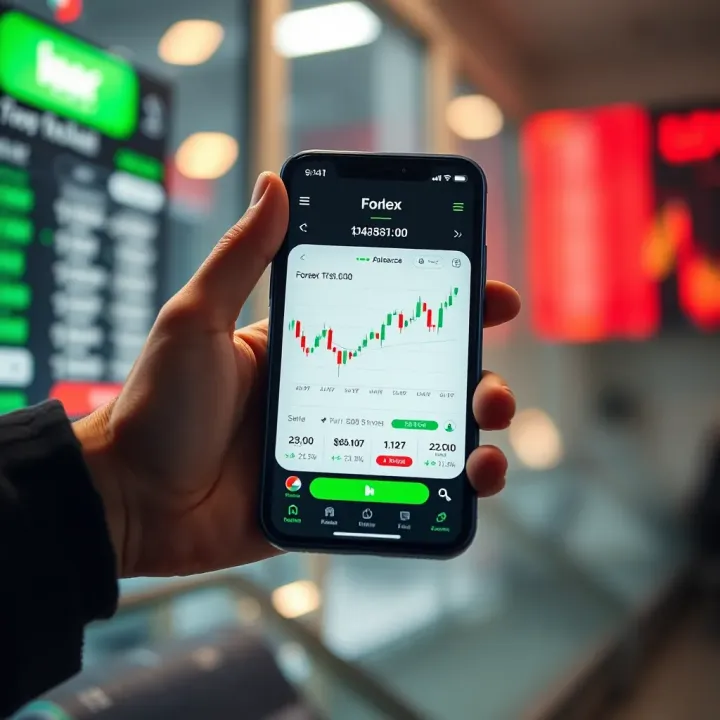
📱 Learn how forex trading demo apps help Indian traders practise currency trading risk-free with virtual money. Discover tips to choose and excel before using real funds.
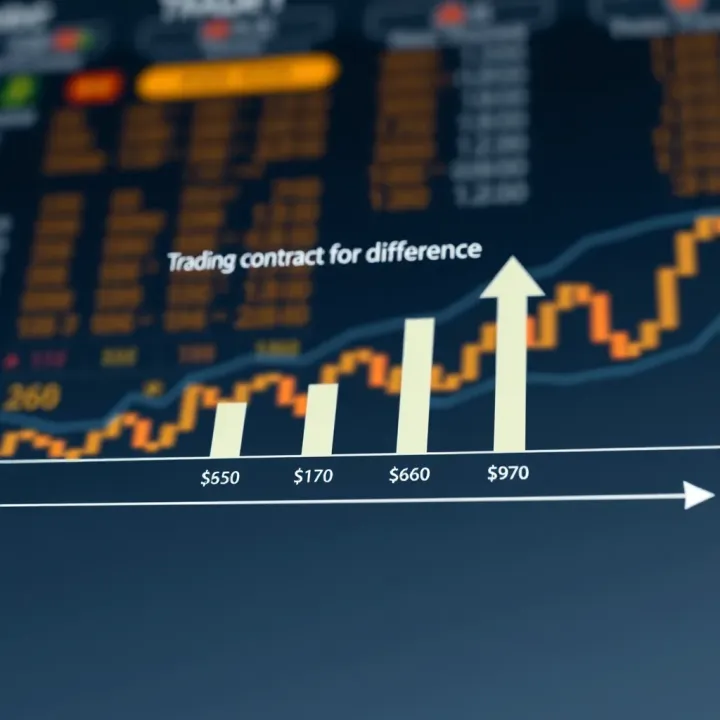
📈 Learn how a CFD account helps Indian investors trade price moves without owning assets. Understand benefits, risks, regulation, and steps to manage CFDs confidently.
Based on 6 reviews