

Understanding RBI's Forex Broker List for Indian Traders
🔍 Learn how the RBI forex broker list protects Indian traders by ensuring brokers comply with regulations. Avoid risks with verified forex brokers in India 🇮🇳
Edited By
James Whitmore
Forex trading has drawn a lot of interest among Indian traders, especially with the rise of mobile apps making access easier. But jumping straight into live trading can be risky, particularly if you're still learning the ropes. This is where forex trading demo apps come in handy.
A forex trading demo app lets you practise buying and selling currency pairs using virtual money, on a simulated platform that mirrors the real markets. It's like a test drive before putting your hard-earned money at stake. These apps provide the live rates and chart movements you find on actual trading platforms, without any financial risk.
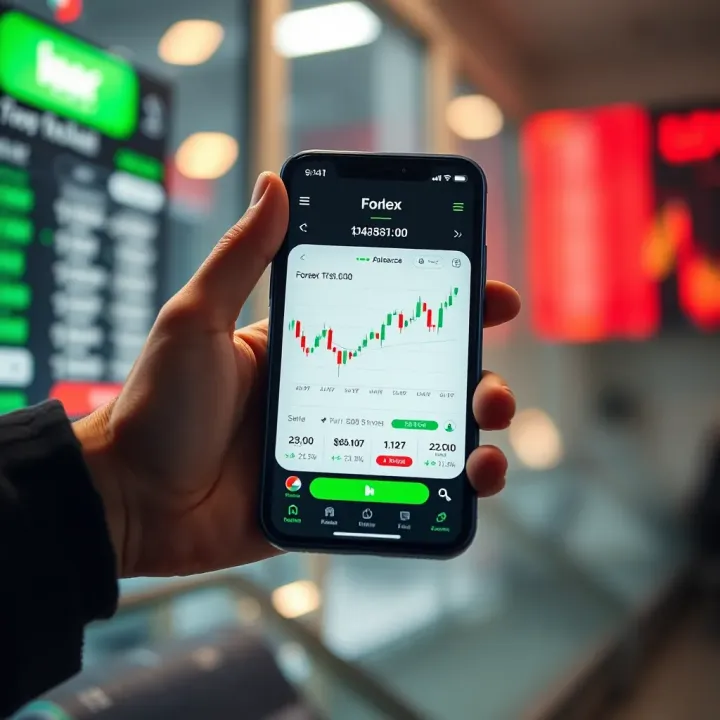
For Indian traders, demo apps are especially useful considering the complex nature of forex markets and the regulatory environment managed by the Reserve Bank of India (RBI). They help beginners understand how factors like currency volatility and global events impact trades, without worrying about losing capital.
Using a demo app is a safe space to learn strategies, test how market news affects currencies like the USD-INR pair, and build confidence before going live.
Most demo apps offer features such as real-time charts, technical indicators, and order execution options mirroring those of major brokers. You can practise common orders like market, limit, and stop-loss — important tools to control risk in live trading.
Indian traders should also look for demo apps that support Rupee conversion and provide insights relevant to Indian economic conditions. Apps from known brokers that operate in India, like Zerodha or Upstox, often offer demo accounts with familiar interfaces.
Demo trading is not about winning or losing money but gaining experience. To make the most of it:
Treat your trades seriously, as you would with real funds
Try multiple strategies to see how they perform in different market phases
Learn to manage emotions since demo trading teaches discipline without financial pain
In short, forex trading demo apps provide a crucial stepping stone, enabling Indian traders to sharpen skills and understand market behaviour before committing real capital. This reduces costly mistakes and lays a strong foundation for long-term success in currency trading.
A forex trading demo app is a platform that allows traders to practise currency trading using virtual money, replicating real market scenarios without financial risk. For Indian traders especially, where forex trading can be complex and fast-moving, these demo apps serve as a playground to learn market mechanics, test strategies, and build confidence before investing real money.
These apps simulate live forex markets, providing features such as real-time price feeds and authentic order execution environments. Instead of risking ₹10,000 or more, a trader might get ₹10 lakh of virtual funds to try out buying and selling currency pairs like USD/INR or EUR/INR. This approach helps clarify how profits and losses are calculated in forex trading without the worry of losing actual capital.
The core feature of demo trading apps is the use of virtual money, which means no real capital is at stake. This lets traders experiment freely without fearing losses. For example, an Indian trader might try swing trading the USD/INR pair over several days, seeing how price movements impact their account balance, all without risking a rupee.
This virtual environment encourages learning from mistakes, something difficult when using real funds. It’s like a flight simulator for pilots but designed for currency markets.
Many forex demo apps provide live market prices, so traders experience the same price fluctuations as seen on actual forex platforms. This is vital to understand market timing and price reactions. For instance, if the U.S. Federal Reserve announces an interest rate change, demo users see immediate effects on USD/INR rates.
Access to up-to-date market data teaches traders how global events influence currency prices. It goes beyond static charts by showing dynamic price action in real time.
Demo apps often mimic real trading conditions such as order book depth, bid-ask spreads, and leverage settings. This replicates how trades execute under various market scenarios, including volatility.
For example, if a trader places a market order on the EUR/INR pair during peak hours, the app simulates possible slippage or delayed execution, reflecting real market behaviour instead of idealised trade fills.
The greatest difference is that demo accounts do not involve real money. Traders can buy or sell currency pairs without risking losses. This reduces pressure, especially for beginners.
That said, while demo trading shields your money, it doesn’t prepare you fully for emotional stress faced in live trading where actual funds are involved.
Handling virtual money usually feels safer, leading some traders to take excessive risks or ignore trading discipline. Real-money trading, however, triggers emotions like fear or greed that can affect decision-making.
For instance, a trader might hesitate to cut losses in a live account but might quickly exit in a demo, distorting experience.

Execution in demo apps tends to be faster and more precise, without issues like slippage or order rejections common in live markets. Slippage happens when trade prices differ between order placement and execution due to market moves.
Real market conditions can mean delayed order confirmations or fills at unexpected prices, experiences developers try to simulate but cannot replicate perfectly in demo apps.
Getting familiar with demo trading apps helps Indian traders understand forex basics safely, but transitioning to live trading requires adapting to real market pressures and execution nuances.
Forex demo apps help Indian traders learn the ropes without risking their hard-earned money. They provide a safe platform to understand how the currency market works and to test trading strategies before investing real funds.
Understanding forex markets is challenging for beginners. The forex market moves fast, influenced by news, economic events, and market sentiment. Using a demo trading app exposes traders to the live market environment with virtual money. This way, they grasp market trends, price movements, and currency pairs like USD/INR without losing money. For example, a trader can watch how the rupee reacts to RBI announcements in real time through the app without any financial impact.
Testing strategies safely is crucial before putting real money on the line. Different trading strategies — scalping, swing trading, or trend following — react differently to market conditions. Demo apps let traders try these techniques repeatedly. They can see what works during volatile sessions like budget announcements or global events such as the US Federal Reserve meetings. This trial and error teaches valuable lessons without the stress of losing capital.
Navigation and interface matter a lot in trading. Forex platforms come with charts, indicators, and multiple order windows. Demo apps allow traders to explore all these features at their own pace. A newbie can understand where to find options to place buy or sell orders, how to set stop-loss or take-profit levels, and how to monitor open positions. For instance, platforms like MetaTrader 4 or 5 offer a demo mode that mimics live trading interfaces, making the transition smoother.
Order types and tools are diverse and can confuse new traders. Market orders, limit orders, stop orders, and trailing stops each serve specific purposes. Demo apps enable hands-on experience with all types without risk. Plus, traders can practice using charting tools, technical indicators like RSI or MACD, and risk management features such as margin calculators. This familiarity boosts efficiency when moving to live trading.
Handling market volatility is a major hurdle in forex trading. Markets can swing sharply due to political developments, economic data releases, or geopolitical tensions. Demo apps expose users to such volatility in real time, helping them understand how to react calmly. A well-practised trader is less likely to panic sell or hold on stubbornly, as they have already experienced similar scenarios virtually.
Managing emotions plays a pivotal role in trading success. Fear and greed often drive poor decisions like overtrading or reckless bets. Demo trading helps Indian traders develop discipline and emotional control. By practising order placement and risk management without financial stress, traders learn to keep emotions in check. This emotional training is vital before trading with real money, where stakes and stress are higher.
Demo trading is an essential step for Indian traders to build skills, confidence, and market understanding without any money risk. It bridges the gap between theory and the real trading world effectively.
Overall, forex demo apps serve as a practical classroom where traders learn, experiment, and prepare thoroughly before stepping into actual currency trading.
Selecting the right forex demo trading app is a critical step for Indian traders who want to gain practical experience without risking real money. A well-designed demo app offers realistic market conditions, easy accessibility, and helpful resources, all of which help traders build skills and confidence before entering the live market.
Live pricing and updates are fundamental to a good demo app. The app should display real-time currency prices that mirror the live forex market closely. For instance, if the EUR/USD pair changes in the actual market, the demo app must reflect that price movement without delay. This ensures that traders experience true market fluctuations, helping them understand how their trades would behave in real situations, rather than simulated or outdated rates.
Latency and execution speed also matter a lot. The demo app must respond quickly when you place or modify orders, as actual trading hinges on fast execution. Imagine placing a trade only to see a significant price shift by the time the order goes through—that’s frustrating and could lead to losses on a real account. An app with low latency gives you accurate timing for order execution, so practising here translates better to real trading scenarios.
Ease of use on mobile and desktop is essential. Many Indian traders prefer trading on mobiles, especially during their commute or breaks. A smooth, intuitive interface that works seamlessly on both phones and desktops encourages consistent practice. For example, apps like MetaTrader 4 or 5 have desktop and mobile versions with user-friendly layouts, making it easier for newcomers and experienced traders alike to navigate and execute trades.
Language and localisation enhance accessibility. Forex demo apps that offer Indian language options or familiar financial terms make it easier to grasp complex trading concepts. Besides, localisation can include adapting the user experience for Indian markets or timings, which helps traders relate better to the content. This holds especially true for freshers who might not be fully comfortable with English financial jargon yet.
Educational content within the demo app aids faster learning. Good apps include tutorials, webinars, and articles that explain key forex concepts and strategies. Access to such resources while trading helps you practise with more confidence. For example, some Indian brokers embed free educational videos about how currency pairs react to economic news, improving practical understanding alongside hands-on trading.
Technical support is another factor to consider. Any app can face glitches, and immediate help can prevent frustration. Support that understands Indian queries—be it over chat, phone, or email—ensures that problems don’t halt your training. Also, prompt assistance in setting up or troubleshooting your demo account helps you stay focused on learning forex trading instead of wasting time on technical roadblocks.
Picking the right forex demo trading app is more than just downloading any free app; it shapes how effectively you learn and prepare for the real forex battlefield.
In summary, consider apps that provide live, fast price updates, smooth multi-device experience, suitable language options, and solid educational and technical support. This makes your forex demo trading period genuinely valuable and closer to actual market conditions.
To really benefit from a forex trading demo app, treating the practice seriously is essential. Approaching it casually, like a game, can give a false sense of security and delay learning crucial trading skills. The focus should be on applying real strategies and managing trades as if real money were on the line.
Setting realistic goals is the first step in making demo trading effective. Instead of aiming to double fake money overnight, aim to understand how different currency pairs behave or test a specific trading strategy over a set period. For example, setting a goal like "execute 20 trades with a stop-loss" helps build discipline. This approach shapes better habits and prepares you for live trading where emotions and real risk come into play.
Maintaining discipline is just as important. Demo accounts give the freedom to take unlimited risks, but successful traders keep to their plans. Sticking to entry and exit rules, even with virtual funds, helps develop consistency. Imagine treating every trade with the seriousness of a ₹10,000 real-money investment. Such discipline prevents bad habits from creeping in and prepares you for market unpredictability.
Technical analysis involves studying charts, trends, and indicators to predict currency movements. Demo trading allows you to apply these tools without financial risk. For instance, practising how moving averages or RSI (Relative Strength Index) signal buying or selling opportunities helps build confidence. By experimenting with chart patterns like head and shoulders or double tops, you refine your skill to spot entry points.
Fundamental analysis looks at economic news, interest rates, and geopolitical events affecting currencies. Using a demo app, you can simulate trades around announcements like RBI policy changes or US non-farm payroll data. This practice teaches how market sentiment fluctuates with news and helps you anticipate possible price swings. Over time, combining both technical and fundamental analysis in demo trading improves decision-making.
Recording trades consistently in a journal or spreadsheet is vital. Note details such as currency pair, entry price, stop-loss, exit price, and outcome. This record offers a clear picture of which strategies work and where you lose ground. Many Indian traders use Excel or dedicated trading journals to keep this data. Tracking progress helps identify patterns that stats alone might overlook.
Analysing mistakes leads to growth. Reviewing losing trades highlights common errors like ignoring stop-losses or overtrading. For example, realising that trades placed during high news volatility often cause losses can guide you to avoid similar situations. Learning from mistakes in the demo phase reduces costly errors when you start live trading. Honest self-review improves your trading edge.
Demonstrating seriousness and commitment in demo trading sets you up for a smoother transition to real forex markets. Practice well, track carefully, and keep refining your approach based on real insights to grow as a trader.
Moving from demo trading to live forex markets is a critical step for Indian traders. While demo apps provide a no-risk environment, real trading tests your strategy, emotions, and money management under genuine market conditions. Understanding this transition helps avoid costly mistakes and builds confidence gradually.
Handling actual funds triggers emotions not felt in demo trading. Real money brings stress, fear of loss, and sometimes greed, which may cloud decision-making. For example, a trader using ₹10 lakh in live trading will likely hesitate before placing a high-risk trade, unlike in a demo where virtual losses do not matter. Learning to keep emotions in check is essential to stick with planned strategies and avoid impulsive exits or entries.
Liquidity levels and order execution vary between demo and live accounts. Demo platforms often simulate ideal conditions, with instant fills and no slippage. However, in actual markets, especially during volatile hours or low liquidity periods, orders may execute slower or at different prices. For instance, a stop-loss order might be filled at a worse price due to slippage, affecting profits or losses. Traders should prepare for such real-world nuances before ramping up capital.
It's wise to start with a small amount when shifting to real trading. Beginning with ₹50,000 or less allows you to test your emotional resilience and execution skills without risking too much. This approach lets you refine your approach while keeping losses manageable. Many Indian brokers allow mini or micro lots, so you don't need large capital to begin.
Once comfortable trading small amounts, gradually increase your position size. Scaling up helps build experience and trust in your methods while controlling exposure. For example, after consistent profits over 3-6 months, a trader might move from ₹50,000 to ₹2 lakh capital. This stepwise approach limits shock from sudden large losses and supports steady learning.
The forex market constantly changes due to geopolitical events, economic data, and central bank policies. Staying updated through daily news, RBI announcements, or global cues is vital. Continuous learning through webinars, books, or courses sharpens your understanding and improves decision-making in live environments.
Demo platforms remain useful even after moving to real trading. Whenever you want to try a new strategy—say, a breakout method around Nifty opening hours—test it in a demo first. This practice prevents unexpected losses and helps fine-tune tactics without risking your real capital.
Transitioning smartly from demo to real trading involves more than just practice; it requires emotional readiness, risk management, and ongoing learning to succeed in India’s dynamic forex landscape.
🔍 Learn how the RBI forex broker list protects Indian traders by ensuring brokers comply with regulations. Avoid risks with verified forex brokers in India 🇮🇳
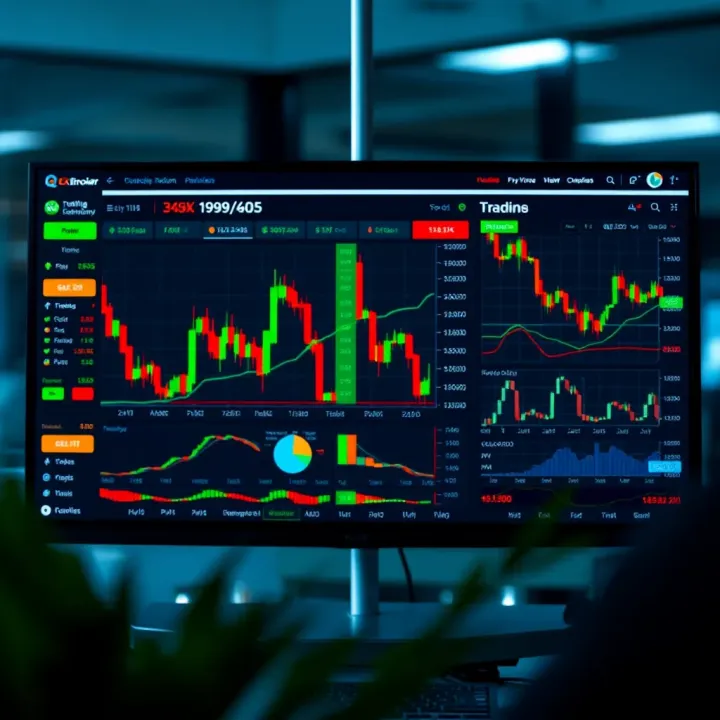
Explore QXBroker.com in detail for Indian traders 📈! Learn about platforms, accounts, security, and support to trade confidently and wisely in India 🇮🇳.
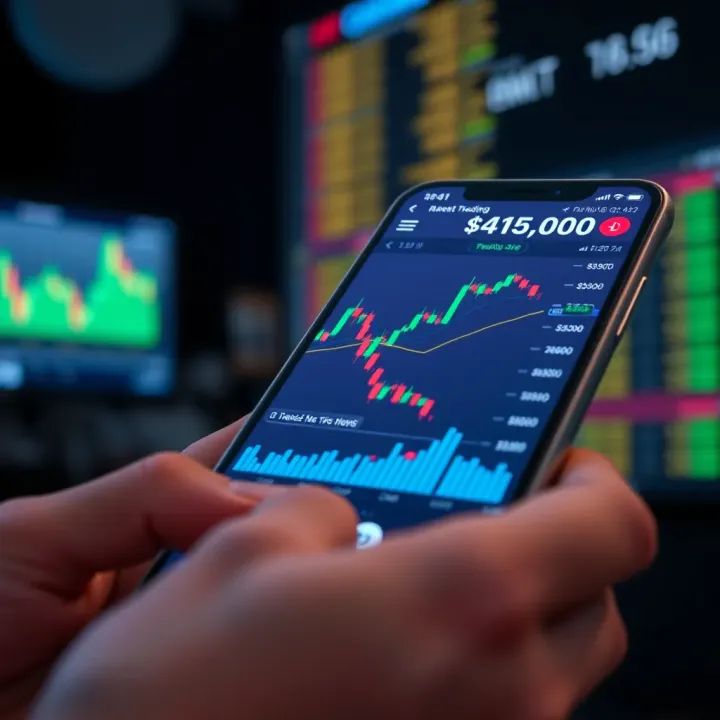
💸 Explore real money trading apps with insights on their operation, benefits, risks, and tips to pick secure platforms for safe mobile trading.
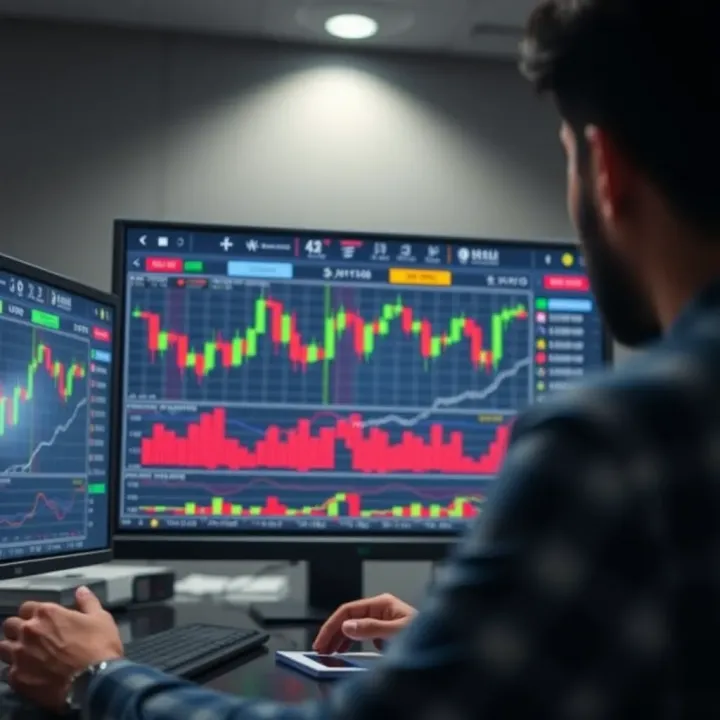
Explore QX Broker’s trading features, fees, accounts, support & regulations tailored for Indian traders to help you trade smarter 📈💹📊
Based on 6 reviews