
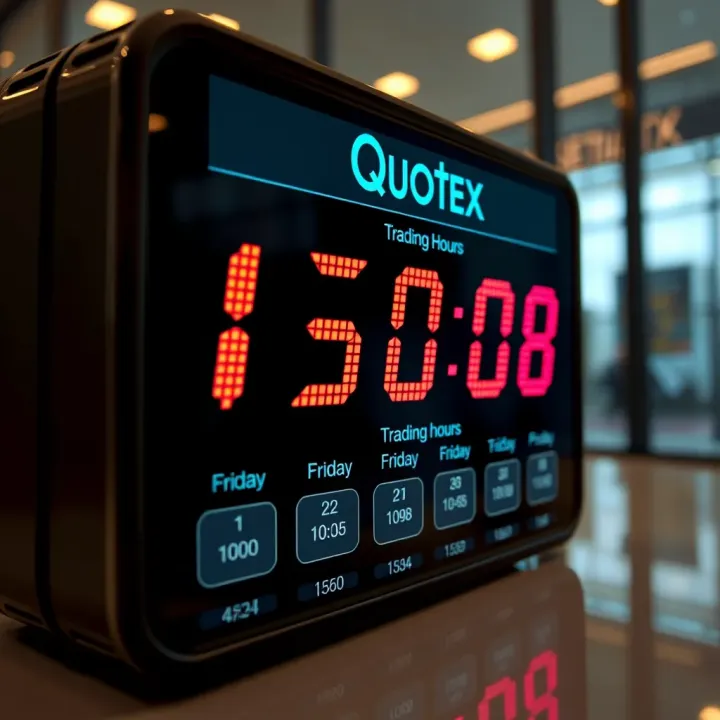
Quotex Trading Hours in India Explained
📈 Discover Quotex trading hours in India, factors affecting timings, and tips to trade smarter within the Indian time zone for optimal results! ⏰
Edited By
Sophie Harper
Forex trading is a bustling global market that operates round the clock, but its timings are not the same everywhere. For traders in India, knowing when the forex market opens and closes is vital to plan trades effectively and manage risks well.
The forex market runs through several major sessions worldwide, primarily in London, New York, Tokyo, and Sydney. Since these market hours overlap differently when converted to Indian Standard Time (IST), understanding these shifts helps Indian traders spot the best trading windows.

For example, the London session runs approximately from 1:30 pm to 10 pm IST, while the New York session starts from 6:30 pm and goes on till 3 am the next day. Meanwhile, Asian markets like Tokyo open early morning IST and close by early afternoon. This staggered timing means the market never really sleeps, but liquidity and volatility vary widely depending on the session.
Knowing the precise forex trading hours in IST allows Indian traders to avoid periods of low activity when spreads widen and price movements stall. It also helps them capitalise on times when multiple markets overlap, offering more opportunities for profit.
Understanding these timings isn't just about clock-watching. It impacts decisions on which currency pairs to trade. For instance, trading USD/INR or GBP/INR pairs might be more active and cost-effective during London and New York sessions, while JPY/INR sees more movement during the Tokyo session.
Traders should also keep in mind holidays and special events in different markets, as these can affect volatility and liquidity significantly. Planning trades with the forex calendar in mind helps avoid unexpected hurdles.
In short, mastering forex trading hours with respect to IST is key for anyone looking to make the most of forex markets from India. This knowledge helps optimise trade timing, reduce risks, and enhance overall trading efficiency.
Understanding forex market hours is vital for any trader, particularly in India where time differences affect trading opportunities. The forex market operates across various global time zones, and knowing when each major session opens and closes helps traders plan their moves effectively. For instance, a trader in Mumbai would want to know when the European session kicks in to catch price action on the EUR-USD pair.
Forex trading is unique because it runs 24 hours a day, but activity and liquidity vary with each trading session. This section explains how forex market hours align globally, which allows Indian traders to pinpoint the best times for entry or exit based on their preferred currency pairs and trading style.
The forex market splits into three main sessions: Asian, European, and North American. Each session overlaps slightly with the next, influencing market volatility and liquidity.
Asian trading session runs roughly from 5:00 am to 2:00 pm IST, covering major hubs like Tokyo, Singapore, and Sydney. Indian traders often watch this window as it includes the early part of their day and aligns with significant Asian currencies like the Japanese yen (JPY) and the Australian dollar (AUD). For example, USD-JPY trades see increased volume during this session, offering clearer price trends.
The European trading session opens around 12:30 pm and closes at 9:00 pm IST. It includes major financial centres such as London, Frankfurt, and Paris. This session is crucial because it overlaps with the Asian close and the North American open, leading to heightened volatility especially in pairs like EUR-USD, GBP-USD, and USD-CHF. Traders in India find this window active for swing and day trading strategies.
During the North American trading session, which runs roughly from 7:30 pm to 4:00 am IST, markets like New York and Chicago dominate. This period often records the highest trading volumes, driven by updates on US economic data, which impact major global pairs like USD-INR and EUR-USD. Indian traders who prefer late-night sessions focus here to exploit shifts caused by US market hours.
Forex trading doesn't pause except on weekends. Because it spans several time zones, markets pass the baton from Sydney to Tokyo, then London, and finally New York, creating a near-continuous cycle. Indian traders benefit by choosing hours that match their availability while aligning with peak market action to maximise liquidity.
Keep in mind: liquidity and volatility drop sharply during session transitions, which can affect spreads and order execution.
Weekend closures—from Friday evening to Sunday evening IST—mean no forex activity globally, although some brokers offer limited cryptocurrency trading or run maintenance. Traders must factor this break, planning to close or hedge positions before the weekend to avoid unexpected price gaps on Monday morning. Indian traders’ exposure during this downtime can be risky without proper management.
By grasping the global forex market hours and the continuous nature of trading, Indian participants can better navigate the market cycles, avoid less liquid times, and capitalise on price movements during overlapping sessions.

Forex markets run across different time zones, so converting global trading sessions into IST gives a practical sense of when these markets open and close locally. For example, the London session, which is influential due to the volume of European trading, typically begins around 3:30 pm IST and closes around 12:30 am IST. The New York session opens at 6:30 pm IST and runs until 3:30 am IST. Meanwhile, the Asian session, centred in Tokyo and Sydney, opens at 5:30 am IST and closes by 2:30 pm IST.
These timings enable Indian traders to synchronise their trading schedules with market activity. Ignoring these conversions often leads to missed key trading opportunities or unintentional exposure during inactive hours.
Additionally, daylight saving time (DST) in countries like the US and UK affects these timings. When DST starts or ends abroad, the corresponding IST market hours shift by one hour. For instance, the New York session opens at 6:30 pm IST during standard time but shifts to 5:30 pm IST once DST begins.
Such adjustments impact trading plans and positions. Traders must stay alert to DST changes to avoid confusion and ensure they participate at optimal times.
For Indian forex traders, the best trading hours usually fall during the overlap of European and North American sessions, roughly between 6 pm and midnight IST. This overlap boosts market liquidity, resulting in tighter spreads and better price movements. Trades executed during this overlap benefit from higher volatility, which allows quicker entry and exit points.
Conversely, trading during the early Asian session or late American session often involves low liquidity. For instance, trading USD-INR pairs might slow down in these hours, leading to wider spreads and potentially less favourable rates. Spreads are the difference between buying and selling prices; wider spreads mean higher trading costs.
Trading at the right hours aligned with IST not only saves costs but also improves the chances of successful trades.
In short, Indian traders aiming for maximum profitability should focus on trading during active market sessions under IST, especially when major markets like London and New York are open and overlapping.
This disciplined approach helps manage risk while capturing genuine opportunities from global forex movements.
Timing plays a key role in forex trading for Indian traders, mainly because the forex market operates 24 hours but liquidity and volatility vary depending on the session and currency pairs. Knowing when to trade not only helps in capturing better price movements but also minimises risk from unpredictable market swings or sharply widening spreads.
Trading major pairs like USD-INR, EUR-USD, and GBP-USD requires understanding peak market hours when these pairs tend to be most active. For instance, the USD-INR pair is quite liquid during Indian market hours because both the US and Indian markets overlap partially in the morning. This gives traders better pricing and smaller spreads. Similarly, EUR-USD and GBP-USD move actively when the European and North American sessions overlap, roughly from 6:30 pm to 10:30 pm IST. Indian traders focusing on these pairs should time their trades to catch these periods for better execution.
Cross currency pairs, such as EUR-JPY or AUD-NZD, experience their highest activity during their respective home market hours. For example, AUD-NZD gains traction mainly during the Asian trading session, and EUR-JPY picks up during the European session. Indian traders should adjust their schedules accordingly to make the most of these active phases. Since these pairs have less direct linkage to the Indian market, trading outside active hours often leads to wider spreads and lower liquidity, which can hurt profitability.
Periods of low liquidity usually occur during the late-night hours in India when most global markets are closed. Trading in these slots can be risky due to reduced market participants, leading to erratic price movements and wider spreads. For instance, between 2 am and 5 am IST, liquidity drains significantly, making it harder to execute orders at desired prices.
Overlapping volatile sessions, such as the overlap between European and North American trading hours, present both opportunities and risks. While increased volume can benefit traders through greater price movement, it also invites sharp volatility spikes. Indian traders should be cautious especially during major news releases in these overlap windows, as sudden market reactions may lead to slippage or stop-loss triggers. Proper risk management around these periods becomes even more important.
Timing your trades to the right hours and currency pairs enhances your chances of successful forex trading in India. Avoiding low liquidity phases and managing risks during volatile overlaps can safeguard your capital and boost consistency.
By understanding these timing strategies, Indian forex traders can align their activities with market rhythms and improve trading outcomes effectively.
Forex timing is not just about knowing when markets open or close. Several factors can influence the best times for Indian traders to get their trades right, affecting profitability and risk levels.
Important economic announcements often create sudden price swings in the forex market. For example, the US Non-Farm Payroll (NFP) report, usually released on the first Friday of every month, can cause sharp volatility in USD pairs. Indian traders need to watch such schedules closely because trading during these announcements can lead to rapid gains but also sudden losses.
Planning trades around news events helps manage risk. Traders may choose to close positions just before a high-impact release or avoid opening new trades until after the market digests the data. Being aware of scheduled announcements from key economies like the US, UK, and Eurozone lets Indian traders prepare, especially because these news releases often occur outside Indian business hours.
Market closures in India and abroad affect forex liquidity and trading opportunities. The Reserve Bank of India (RBI) holiday calendar with public holidays like Diwali or Independence Day means that local forex platforms might have reduced activity or closures. During these times, spreads can widen due to lower volume.
Global market holidays, such as the US Thanksgiving or Christmas, also influence Indian traders because major forex centres pause or slow down. Indian traders should adjust their strategies during festival seasons, possibly reducing trade sizes or focusing on less volatile currency pairs to avoid unwanted risks. This practical adaptation is essential to maintain consistent trading performance.
Keeping an eye on both economic calendars and holiday schedules helps Indian forex traders avoid unexpected market conditions and plan their trades more effectively.
By understanding the rhythm of economic news and holiday closures, you can fine-tune trading times, manage risks better, and seize opportunities when global markets align with your availability.
Managing forex trading hours effectively can make a significant difference to your success as a trader in India. The global forex market operates 24 hours, but your trading approach needs to fit within IST and your personal schedule. Practical tools and sound time management help you capitalise on active market sessions while avoiding fatigue and unnecessary risks.
Setting alerts based on Indian Standard Time (IST) is crucial for timely action. Many popular forex platforms, like MetaTrader 4/5 and TradingView, allow you to customise alerts aligned with IST. For example, if you want to be notified about the London session opening at 3:30 pm IST, setting an alert ensures you don't miss the surge in USD and GBP pairs. This way, you track session starts, key economic events, or price targets without being glued to the screen 24/7.
Global market timers integrated within trading platforms or available as standalone apps show live countdowns to opening and closing times of major forex sessions across the world. For Indian traders, these timers convert everything to IST automatically, helping you spot session overlaps. For instance, the overlap between London and New York sessions (6:30 pm to 9:30 pm IST) offers high liquidity and volatility, ideal for scalping or day trades. A quick glance at these timers helps decide whether to trade aggressively or stay cautious.
Trading forex while balancing a 9-to-5 job or other commitments can be tricky. The key is having a plan that fits your lifestyle without compromising trading quality. For instance, you might focus on the Asian session early in the morning or the London-New York overlap after work hours. If you prefer swing trading, you can enter positions during your free hours and avoid constant monitoring.
Holding open positions overnight carries risks, especially when forex markets in other parts close or when unexpected economic data is due. Indian traders should use stop-loss and take-profit orders to manage risk while sleeping or working. For example, if you open a position during the New York session late night IST and want to keep it open till the Asian session, set stop-loss limits to cut losses if the market moves unfavourably. This strategy prevents unpleasant surprises and preserves capital for the next day's trades.
Successful forex trading in India depends not only on knowing market hours but also on using tools smartly and aligning trades with your lifestyle to maintain discipline and reduce stress.
By combining platform features with a clear personal schedule, you trade efficiently and keep your exposure balanced according to market activity and your availability.
📈 Discover Quotex trading hours in India, factors affecting timings, and tips to trade smarter within the Indian time zone for optimal results! ⏰

Explore how to pick the best funded account for forex trading in India 🇮🇳. Learn about top platforms, benefit factors, risk management, & expert tips to boost profits 📈.
Explore RBI's legal framework for forex trading in India 🇮🇳. Understand permitted currencies, trader compliance requirements, risks, and roles of authorized dealers.
Explore Quotex forex trading in India 🇮🇳 with our detailed guide on platform features, account types, trading strategies, and risk management tips.
Based on 10 reviews