
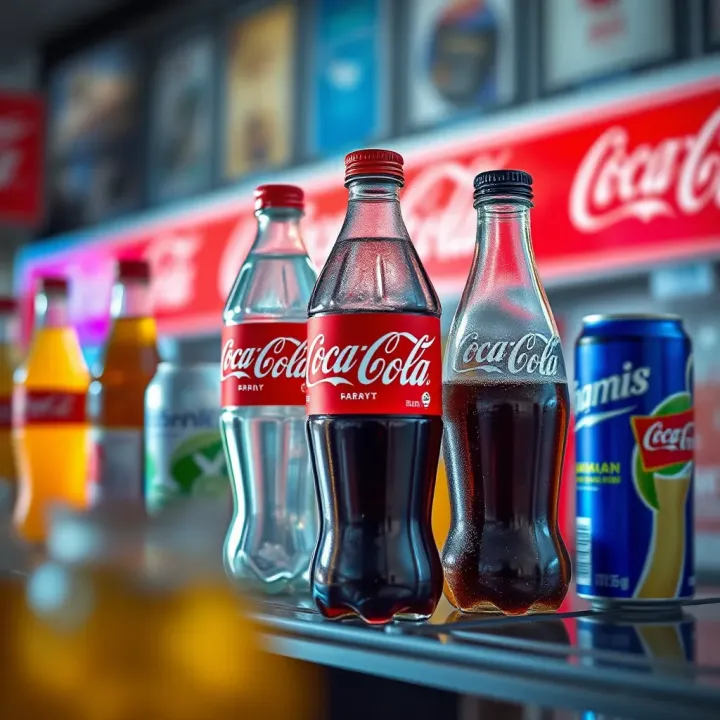
Key Competitors of The Coca-Cola Company in India and Globally
Discover Coca-Cola's key competitors in India and globally 🍹. Learn how rival brands tackle market challenges in soft drinks, water, juices, and new trends.
Edited By
Liam Bennett
The beverage market in India and globally is highly competitive, with Coca-Cola facing stiff rivalry from both multinational corporations and strong regional players. Understanding these key competitors helps traders, investors, and analysts gauge market dynamics, consumer preferences, and potential growth opportunities.
Coca-Cola, with its extensive product portfolio and global presence, dominates many segments but contends with PepsiCo’s aggressive marketing and diversified offerings in carbonated drinks, juices, and snacks. Besides PepsiCo, Indian companies like Parle Agro have carved out significant market shares through affordable pricing and products tailored to regional tastes, such as Frooti in the mango juice category.
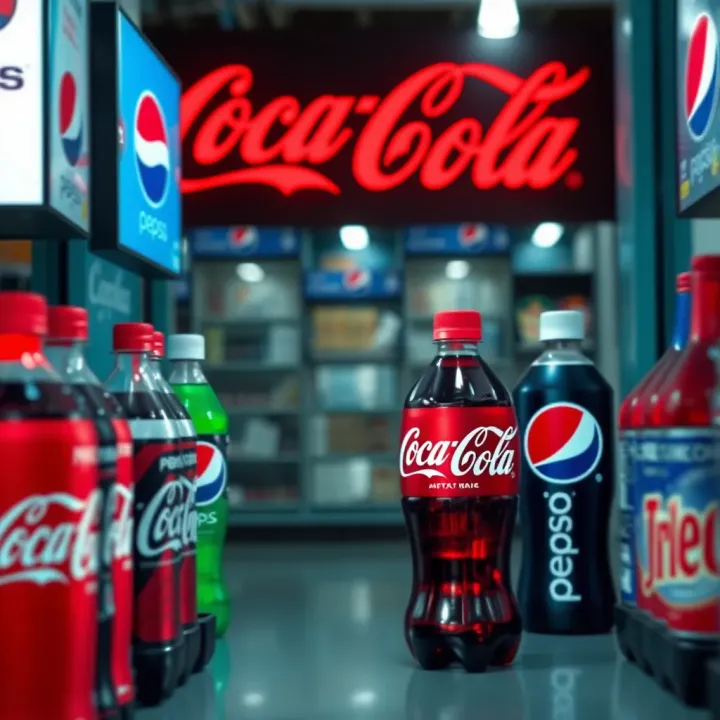
The battle for market share is not limited to traditional soft drinks; it also extends to health-focused beverages, energy drinks, and bottled water, changing consumer expectations.
Other regional brands play crucial roles, especially in tier-2 and tier-3 cities, where distribution networks and local flavour preferences influence buying choices. For instance, brands like Bisleri and Rasna maintain strongholds in bottled water and soft drink concentrates respectively.
Product innovation: Competitors continuously launch new variants with reduced sugar, natural ingredients, or functional additives to meet health-conscious consumers.
Pricing strategies: Regional players often undercut multinational prices to capture price-sensitive customers.
Distribution reach: A vast, well-organised network gives an edge, particularly in remote or smaller markets.
Brand positioning: Effective marketing campaigns and celebrity endorsements help brands connect emotionally with consumers.
Recognising these factors helps stakeholders understand how Coca-Cola’s rivals adapt to evolving market trends, consumer behaviour, and sustainability pressures. This overview sets the stage for a deeper look into each major competitor’s strategy, strengths, and challenges in subsequent sections.
Understanding Coca-Cola's major global competitors is key to grasping the dynamics of the beverage market. These rivals not only shape consumer choices worldwide but also influence strategies around innovation, pricing, and marketing. Traders and investors need to keep an eye on their movements to anticipate shifts in market share and growth prospects.
PepsiCo offers a wider range of products beyond just soft drinks. While Coca-Cola focuses heavily on sodas like Coca-Cola Classic and Diet Coke, PepsiCo includes snacks (Lay's, Kurkure) alongside beverages like Pepsi, Mountain Dew, and Tropicana juices. This diversified portfolio helps PepsiCo reduce dependence on any single product category and spread risk, which is crucial during health-conscious shifts in consumer preferences.
From an investor's viewpoint, PepsiCo’s broad product base means it can tap into various consumer segments simultaneously. This strategy often provides more stable revenue streams compared to Coca-Cola, which is more soda-centric.
PepsiCo and Coca-Cola compete head-on in many global markets, though their footprints differ by region. PepsiCo has stronger presence in North America and parts of Asia, while Coca-Cola dominates several emerging markets like Latin America and Africa. PepsiCo’s market share stood around 25% globally in the soft drink sector, slightly behind Coca-Cola but gaining ground in key economies.
Monitoring their regional strengths helps analysts predict potential market adjustments. For instance, increased PepsiCo promotion in India and China signals attempts to capture more local share, hence influencing stock valuations.
PepsiCo's marketing heavily embraces youth culture and music collaborations, often sponsoring international events and working with celebrities like Beyoncé and BTS. This contrasts Coca-Cola’s family-friendly, nostalgic advertising. PepsiCo's digital campaigns rely on interactive content and social media to engage consumers, especially in urban markets.
For branding experts, this knowledge guides assessments of advertising ROI and helps predict which campaigns might boost sales. Moreover, it informs how PepsiCo uses modern digital platforms to stay relevant with younger audiences.
Though smaller than PepsiCo and Coca-Cola, Dr Pepper Snapple Group has carved a niche with unique flavours and brands like 7UP, A&W Root Beer, and Snapple. The group focuses on differentiated products, especially in North America, appealing to consumers seeking alternatives to traditional cola tastes.
Its relevance lies in catering to specific markets where cola penetration is mature, providing investors with insight into niche yet profitable segments.
Nestlé goes beyond carbonated drinks, focusing heavily on bottled water, coffee (Nescafé), and health-focused beverages. Its global reach spans over 190 countries, with a growing emphasis on wellness and sustainability. For example, Aqua mineral water and Milo are popular in Asia-Pacific.
This diversification in beverages aligns with shifting consumer trends towards healthier options, marking Nestlé as a competitor in spaces Coca-Cola is actively entering.
Brands such as Japan’s Suntory and Thailand’s Thai Bev act as strong players within Asia, providing tailored products suited to local tastes. Their approach includes local flavours and traditional drinks embedded in their markets, which multinational giants cannot replicate easily.
For traders focusing on regional markets, these brands demonstrate how localised strategies can sustain competitive edges, impacting global companies like Coca-Cola.
Keeping tabs on these global competitors helps you understand how Coca-Cola’s position evolves amid diverse market conditions and consumer preferences.
PepsiCo’s diversified portfolio offers stability beyond soft drinks
Dr Pepper Snapple targets niche flavour markets
Nestlé focuses on health and wellness-driven beverages
Regional multinationals leverage local tastes to maintain market share
This overview helps analysts and investors identify which companies can potentially threaten or complement Coca-Cola’s dominance in various beverage categories worldwide.
Indian competitors in the soft drink sector are key players shaping the market dynamics in the country. Their understanding of local tastes, vast distribution reach in smaller cities, and competitive pricing put pressure on global giants like Coca-Cola. Investors and analysts tracking the beverage market need to note how these homegrown companies challenge international brands through tailored strategies aligning with India's diverse consumer base.
Popular brands like Frooti and Appy stand out as household names in India. Frooti, a mango-based drink, enjoys a loyal consumer base, particularly in tropical regions where mango is a preferred flavour. Appy, another fruit juice brand, appeals to health-conscious consumers seeking natural fruit options. These brands hold strong regional appeal, often used as reference points when studying consumer preferences in tier-2 and tier-3 cities.
The distribution network in India is a backbone of Parle Agro's success. Unlike many multinational companies that focus on metro cities, Parle Agro has built an extensive supply chain reaching remote areas via local partners and distributors. This approach helps the company maintain availability even in smaller towns where logistics can be challenging. For investors, this distribution strength offers resilience against market volatility largely confined to urban centres.
Parle Agro deploys competitive pricing strategies centred on affordability. The price points of Frooti and Appy are often lower than similar international soft drinks, making them accessible to broader consumer segments. This pricing strategy not only expands the customer base but also encourages trial and repeat purchases in cost-sensitive rural and semi-urban markets, offering a practical edge against pricier global brands.
The entry of new players in India, including Reliance Consumer Products, marks a shift in the soft drink market. Leveraging Reliance’s retail network and capital, new beverage brands are entering with aggressive strategies backed by deep pockets. Their presence potentially disrupts market shares held by Coca-Cola and others, attracting investors looking at growth opportunities from rising disposable incomes and urbanisation.
One significant advantage for these new and regional players is their distribution advantages in tier-2 and tier-3 cities. These markets remain under-served by global companies that focus on metros. Reliance’s existing retail footprint, including Reliance Fresh and other outlets, provides a ready platform to merchandise beverages locally and efficiently. This gives them a strategic logistical edge in reaching consumers where demand is growing fast but competition is less intense.
A crucial factor is their focus on localised flavours and marketing. Brands often incorporate tastes unique to regions, such as jamun or khus, which resonate with local customers more than generic offerings. Marketing campaigns highlight cultural festivals and community events, making the brand feel part of regional identity. This localisation also finds favour with consumers seeking authentic experiences, challenging Coca-Cola’s global uniformity and making these brands a practical alternative.
The rise of Indian competitors is a reminder that understanding local markets deeply often trumps global standardisation. For investors, this means analysing not just brand strength but also the nuances of supply chains, pricing, and cultural engagement.
In summary: Indian soft drink brands like Parle Agro and Reliance Consumer Products demonstrate how regional knowledge, strong distribution, and pricing flexibility can carve market share in a space dominated by multinational corporations. Their growth signals an evolving landscape worth monitoring closely.
Product differentiation and innovation have become central to staying competitive in the beverage market. As consumer tastes evolve, especially with rising health concerns and digital habits, companies need to keep refreshing their offerings. This section looks at how Coca-Cola's challengers are using new products and technology to carve out their niche and attract consumers.
The rise of non-sugary drinks reflects a growing consumer preference for healthier options. Increasing awareness of lifestyle diseases like diabetes is pushing beverage companies to introduce products with less sugar or natural sweeteners. For example, PepsiCo has expanded its portfolio by launching sugar-free and low-calorie soft drinks, while Indian brands like Paper Boat focus on traditional recipes without added sugars. This shift helps capture a segment that might have avoided fizzy drinks before.
Besides sodas, competitors are investing heavily in bottled water and fruit juices. In India, Parle Agro’s Frooti juice and Bisleri bottled water continue to dominate, leveraging large distribution networks and trust built over decades. Nestlé India, with its 'Munch' juices and packaged water, has also expanded to meet health-conscious demand. These categories act as entry points for consumers shifting away from sugary sodas. Importantly, bottled water brands now also highlight eco-friendly packaging to align with sustainability trends, adding another layer of differentiation.
Mobile apps and loyalty programmes have gained traction as ways to retain customers and boost repeat purchases. Coca-Cola’s competitors deploy apps offering rewards, personalised discounts, and exclusive content. For instance, PepsiCo’s “Pepsi Play” app in India uses gamification to engage younger audiences, driving brand loyalty. These tools provide valuable consumer insights to refine marketing strategies and product development.
Collaborations with delivery platforms like Swiggy and Zomato have become especially important since the pandemic. Beverage companies partner with these platforms for better reach and faster delivery, responding to growing demand for convenience. Reliance Consumer Products, for instance, has tied up with such platforms for regional beverage launches in tier-2 and tier-3 cities, capturing untapped markets quickly. These partnerships support direct consumer access and help brands stay visible amidst a flood of choices.
Innovation in product range combined with effective use of technology is proving to be a winning formula for beverage companies challenging Coca-Cola’s dominance. Understanding shifting consumer priorities helps these players stay relevant and competitive.
Healthier, sugar-free beverages are gaining ground due to health concerns.
Bottled water and juice segments expand as consumers seek alternatives to sodas.
Mobile apps and loyalty programmes enhance customer engagement.
Delivery partnerships extend market reach and capture new customer bases.
Such approaches help rivals create distinct identities, tapping into evolving consumer needs and digital trends.
In the dynamic beverage sector, companies face shifting consumer tastes and evolving regulations that reshape the competitive landscape. Understanding these challenges and opportunities helps investors and analysts gauge how key players like Coca-Cola and its rivals adapt and thrive. Market responsiveness and regulatory compliance significantly influence profitability and market share.
Consumers increasingly prefer natural ingredients and organic options in their beverages. This trend has pushed many companies to reformulate products or introduce new variants that are perceived as healthier. For instance, PepsiCo’s launch of organic juices in India shows how even large multinationals are adapting to this preference to avoid losing ground to niche players.
The rise of Ayurveda-inspired drinks, herbal teas, and coconut water brands like Paper Boat reflects growing consumer interest in traditional and natural products. Investors should note how a company’s ability to innovate in this segment can directly impact its appeal among urban middle-class consumers who are willing to pay a premium for perceived health benefits.
Sustainability has become a non-negotiable aspect for beverage companies. Water conservation, biodegradable packaging, and waste management practices are increasingly scrutinised by consumers and regulators alike. Coca-Cola, for example, has pledged water neutrality in India and invests in recycling initiatives, which enhances its brand image.
Competitors that lack strong sustainability policies risk losing favour, especially among environmentally conscious younger consumers. Moreover, regulatory pressures on plastic use compel companies to innovate cost-effective eco-friendly packaging, which can also become a market differentiator and cost driver.
Goods and Services Tax (GST) rates on beverages directly affect retail prices and profitability. Variations in GST slabs between carbonated drinks, juices, and bottled water create pricing challenges. Companies often absorb some costs initially to maintain competitive pricing but may have to pass increased taxes to consumers eventually.
Additionally, State-level taxes and local levies add complexity for distributors and retailers, especially in tier-2 and tier-3 cities. Monitoring these tax structures helps investors understand cost pressures and pricing strategies adopted by firms.
Regulations limit advertising of sugary and carbonated drinks, particularly targeting children. For instance, restrictions during prime-time television and in-school promotions impact how companies reach their audience.
This forces competitors to explore digital marketing, influencer collaborations, and on-ground events to engage consumers more subtly. Brands that successfully navigate these restrictions while keeping visibility high gain an edge in market penetration.
Changing consumer behaviour and strict regulations continuously reshape the soft drink market, requiring companies to be agile and innovative in product offerings, pricing, and promotion strategies.
The interplay of these factors creates a challenging yet opportunity-rich environment for Coca-Cola’s rivals. Close attention to consumer trends and regulatory shifts ensures better investment decisions when analysing the beverage market landscape.
Discover Coca-Cola's key competitors in India and globally 🍹. Learn how rival brands tackle market challenges in soft drinks, water, juices, and new trends.
Explore Microsoft's top rivals in software, cloud, and hardware markets 💻. Discover how emerging firms challenge the tech giant and shape industry trends today.

Explore key aspects of ??????? ???? ???, including core concepts, practical uses, and its impact. Get a thorough understanding tailored for Indian readers 📘✨.

Understand market structures in detail—perfect competition, monopolistic competition, oligopoly, monopoly—with examples from India and worldwide 🏢📊 Learn their impact on businesses and consumers.
Based on 6 reviews