

Top RBI-Approved Trading Apps in India Reviewed
Explore RBI-approved trading apps in India 📱. Get insights on features, security, and compliance to choose the best platform for your investments securely.
Edited By
Oliver Hughes
The rise of fake trading apps has created a new challenge for Indian investors. These apps mimic legitimate platforms, offering tempting promises of high returns with minimal risk. Once users invest funds, the app either disappears or makes it impossible to withdraw money.
Unlike traditional scams, fake trading apps appear professional and use aggressive marketing, often via social media or SMS campaigns. Because many first-time investors are drawn by quick profits, these apps exploit the lack of regulatory awareness around digital investments.

Fake trading apps prey especially on novice traders who do not verify the credentials of the platform before investing.
Identifying these deceptive apps early can save your money and peace of mind. They commonly:
Lack official registration with the Securities and Exchange Board of India (SEBI)
Show unrealistic gains consistently, sometimes promising double-digit profits weekly
Require upfront payments or deposits without proper documentation
Have confusing contact details and inadequate user support
Push for rapid investments through constant notifications or pressure tactics
To protect yourself, always check if the app is available on official app stores like Google Play or Apple Store and review its ratings carefully. Cross-verify with SEBI’s registered intermediaries list or trusted financial news outlets. Don’t share personal banking details, Aadhaar, or PAN card information freely.
If you suspect an app is fake:
Stop investing immediately and do not share further personal data.
Take screenshots and note transaction details.
Report to local cybercrime authorities or the SEBI complaint portal.
Keeping informed about current scams and understanding the red flags will keep your investments safe. Genuine trading platforms focus on transparency, customer service, and offer clear terms and conditions.
In this article, we'll guide you through recognising fake trading apps, protecting your funds, and the actions to take if you fall victim. With proper vigilance and knowledge, you can avoid falling into these traps and confidently manage your investments.
Understanding fake trading apps is essential for any investor active in India’s growing digital market. These apps are designed to appear legitimate but primarily aim to scam users by drawing them into fake investment schemes. Knowing how these apps operate helps you spot the warning signs early, protecting your hard-earned money from disappearing without a trace.
Fake trading apps exploit the increasing interest in stock market trading and mutual fund investments, especially among younger, tech-savvy individuals. They often imitate real platforms, making it difficult to distinguish between genuine and fraudulent apps without some background knowledge. Recognising these platforms at the outset means you can avoid falling prey to costly frauds, which have become a significant concern as cases rise across metropolitan and smaller cities alike.
Fake trading apps are fraudulent mobile applications that promise users opportunities to earn high returns through trading stocks, commodities, or cryptocurrencies. However, these apps manipulate data to show inflated profits or account balances and often restrict or block withdrawals, trapping users' investments. They do not have proper authorisation from regulators like SEBI (Securities and Exchange Board of India) or other financial authorities, making them illegal and unsafe.
One of the clearest red flags is when trading apps boast of guaranteed or exceptionally high returns, often many times higher than what any real market can offer. For example, an app might claim that ₹10,000 invested today could grow to ₹1 lakh in a week. Such promises are designed to lure inexperienced investors looking for quick profits. Real investment involves risks and fluctuations; no genuine platform can guarantee such inflated returns.
Fake apps often use sophisticated design techniques to mimic the look and feel of popular trading platforms. They show fake transactions, fabricated profit graphs, and account balances that increase seemingly in real-time. Users may see their investment grow on screen, giving a sense of trust and prompting them to invest more. However, these numbers exist only within the app and cannot be cashed out.
These apps employ urgency to rush users into depositing funds. They nudge you with push notifications such as "Limited time offer – Double your money today" or call you immediately after registration to push quick investments. This pressure to act fast leaves little room to think or verify, increasing the risk of impulsive decisions. Scam apps understand that rushed investors may overlook warning signs.
Typically, fake trading apps target new or inexperienced investors who are keen to try stock market trading but lack detailed knowledge. Tier-2 and tier-3 city residents with limited access to formal investment advice also become vulnerable. Youths attracted by buzzwords like cryptocurrencies or Forex trading are especially at risk. Additionally, individuals who rely solely on online referrals or social media promotions without deeper verification tend to fall prey more often.
Being aware of how fake trading apps work and the tactics they use can drastically reduce your chances of getting scammed, helping you keep your investments safe amidst India’s expanding digital financial environment.
Spotting warning signs early can save you from losing hard-earned money to fake trading apps. These apps often mimic real platforms but hide critical flaws that give them away. By recognising these red flags, you can avoid falling into traps that many investors in India have faced.
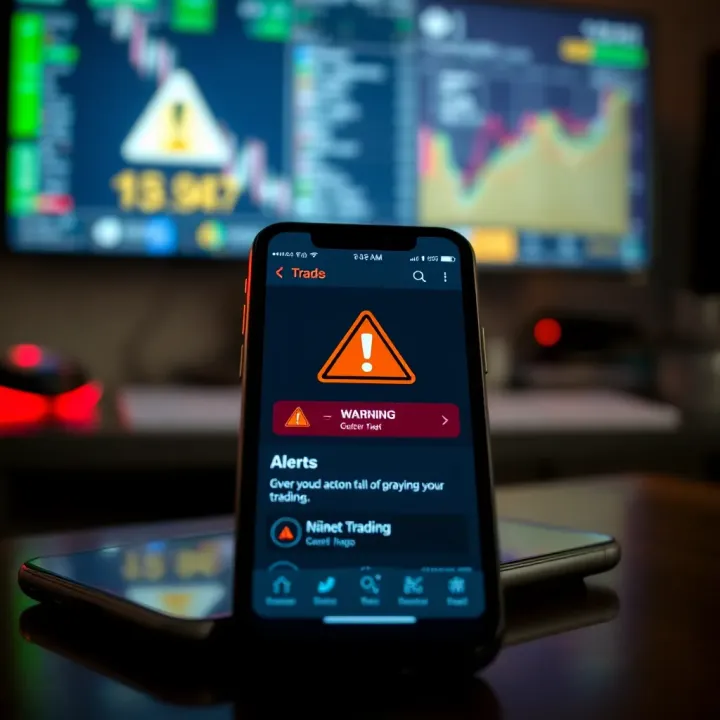
A genuine trading app in India must have approvals from the Securities and Exchange Board of India (SEBI). If an app lacks this regulatory clearance, it is not authorised to handle investments, making it illegal. For example, if an app claims to offer stock or commodities trading but doesn’t share any licence details or registration number, treat it as a major warning sign.
Regulatory approval ensures some level of oversight, reducing fraud risk. Without it, the app operates outside the law and can vanish anytime, taking your money with it. Always verify licences through SEBI's official channels before trusting an app.
Fake trading apps often avoid revealing who runs them or where they are based. Legitimate platforms openly share company information, regulatory registrations, and customer support contacts. If app details are vague, incomplete, or suspicious, it should raise doubts.
For instance, if the app's developer name points to an unknown or fake Indian company without a proper website or valid contact details, it’s a red flag. Transparency builds trust, and its absence often signals an attempt to hide dishonest intentions.
Check app store reviews and independent forums for user feedback. Consistent complaints about issues like blocked withdrawals, frozen accounts, or unexplained charges suggest a fake app.
A common example is users reporting their money disappearing after months of trading or app interfaces that glitch to block withdrawal requests. Real trading apps may have occasional complaints, but a pattern of negative experiences is alarming and should prompt you to steer clear.
One of the clearest danger signs is when you try to withdraw your funds but face repeated delays, errors, or outright refusals. Fake apps use withdrawal hurdles to trap your money inside.
You might get messages like "technical issues" or requests for extra verification repeatedly without any resolution. Real apps process withdrawals within reasonable timeframes–usually a few working days. If it drags on beyond that, alarm bells should ring.
Sometimes fake trading apps display fake profit statements or transaction histories to lure you into investing more. You might see your account balance increase on screen, but these are just numbers without real backing.
For example, an app may show a windfall gain of ₹2 lakh overnight, but attempts to withdraw this amount fail. This tactic creates false confidence to convince users to add more funds.
Fake apps aggressively nudge users to deposit more money through push notifications or SMS. They might promise "limited time offers" or "exclusive bonuses" to rush decisions.
Real trading platforms do communicate about promotions but never bombard users or pressure them to invest quickly. If you receive persistent prompts demanding deposits, it is a clear sign the app wants to trap your funds rather than facilitate genuine trades.
Watching out for these signs can help you steer clear of fraudulent trading apps. Always verify regulatory approvals and user feedback before trusting any platform with your money.
These practical tips for spotting fake trading apps save you time, stress, and financial loss. Remember, no investment is worth risking your safety and peace of mind.
Fake trading apps cause severe financial losses for many investors in India. Protecting yourself is essential to avoid falling into their trap. This involves checking whether the app is authorised, taking practical steps while using it, and sticking to trusted platforms. Careful scrutiny can save you from the stress of losing money and time on fraudulent schemes.
The Securities and Exchange Board of India (SEBI) regulates the securities market, including stock brokers and trading platforms. Before using a trading app, check SEBI’s official website or app for a list of registered intermediaries. An app without SEBI authorisation is a major red flag. For example, an app claiming to let you invest in shares but not registered with SEBI likely operates illegally.
Validating licences and registrations helps confirming the app’s legitimacy. Many fake apps imitate names of genuine companies but lack valid licences for trading or brokering services. Look for clear documentation in the app’s About section or website, including registration numbers and physical office addresses. If these details are missing or unverifiable, it's better to avoid using the app and look for certified alternatives.
Downloading apps only from trusted sources is a simple yet vital step. Official app stores like Google Play Store or Apple App Store have some checks for authenticity. Avoid downloading APK files from unknown websites or links shared in social media messages, as these often spread fake apps designed to steal data or money.
Reading user reviews carefully offers valuable insights into an app’s real performance. Genuine users usually report issues about delayed withdrawals or system glitches, while fake app reviews can be over-the-top positive or generic. Check multiple review platforms and look for repeated complaints about suspicious behaviour before deciding.
Not sharing personal or banking details easily is another safeguard. No legitimate trading app will ask for sensitive details like your bank passwords, OTPs (one-time passwords), or PAN card number outside secured and encrypted processes. If an app or agent pushes you to reveal such info over phone or chat, treat it with suspicion—it may lead to identity theft or unauthorised transactions.
Sticking to well-known Indian apps simplifies protection. Platforms like Zerodha Kite, Upstox, Angel Broking, and Groww are regulated by SEBI and widely used across the country. These apps undergo strict compliance checks and customer due diligence. While no system is fully immune to hacking, using credible apps reduces risk significantly compared to unknown or newly launched apps advertised aggressively on social media.
Protecting your investments means verifying regulatory clearance, practising safe app use, and choosing reputable platforms. Taking these steps upfront will help you avoid the pitfalls of fake trading apps that prey on investors’ trust and money.
Falling into the trap of a fake trading app can be overwhelming, but knowing the right steps to take immediately can make a big difference in limiting your loss and aiding legal recourse. Prompt action not only helps recovery efforts but also protects others from becoming victims of the same fraud. This section covers practical steps you can follow if you suspect or confirm that an app you used is fake.
The first point of contact should be your local cybercrime cell. These are specialised units within police departments trained to handle digital fraud and cyber offences. Filing a complaint here sets the legal process in motion and creates an official record of your case. For example, Mumbai’s cybercrime cell has handled numerous cases involving fake apps, showing that swift reporting can lead to quicker investigations.
When filing your complaint, provide as much detail as possible: screenshots of the app, communications with the fraudsters, transaction details, and any withdrawal attempts. This evidence helps authorities trace the origin of the scam, often linked to call centres or overseas groups. Without an official complaint, police may hesitate to prioritise your issue.
Beyond police, the Securities and Exchange Board of India (SEBI) and the Reserve Bank of India (RBI) are key regulators you should notify. SEBI oversees trading platforms and investment services, so reporting to them can prompt action against fraudulent entities masquerading as legitimate brokers.
Similarly, RBI monitors digital payments and transaction security. Informing them about suspicious apps helps strengthen their regulatory grip on digital finance and can result in warnings to consumers. For instance, RBI sometimes issues advisories against apps that misuse UPI or other payment methods. Reporting your experience enables these bodies to track trends and reinforce public protection strategies.
In cases of substantial financial loss, consulting a lawyer specialising in cyber law or financial fraud can provide clarity on possible legal remedies. They may guide you through filing a civil suit or obtaining injunctions against perpetrators. Indian courts have started recognising digital fraud as a serious offence, increasing chances of favourable outcomes.
Likewise, engaging a financial advisor helps assess your portfolio impact and advises on recovery plans. Advisors experienced with fraud cases can suggest restructuring options or insurance claims, if applicable.
Preserving evidence is vital. Keep transaction records, emails, in-app communication, and screenshots securely. Avoid deleting the app or messages because they may be needed for investigations. If possible, use backup tools on your mobile to save cloud files.
This evidence can assist law enforcement and legal counsel during prosecution. For example, timestamps on messages may help prove fraudulent intent or pressure tactics used by the scammer.
Taking swift, organised action after falling victim helps not only in potentially recovering money but also in preventing others from similar harm. Your report to authorities joins a larger effort against fake trading apps.
By following these steps, investors can protect their rights and contribute to building a safer digital trading environment in India.
Tackling fake trading apps requires active involvement from both the government and the industry. These apps not only cause financial losses but also shake investor confidence in digital markets. Hence, coordinated measures are essential to identify, regulate, and eliminate fraudulent platforms efficiently.
The Securities and Exchange Board of India (SEBI) plays a central role in monitoring trading platforms to protect investors. SEBI mandates that all trading apps and brokerage services must be registered and comply with strict guidelines. It regularly updates lists of approved entities and warns the public about unregistered or suspicious apps. SEBI also conducts audits and can penalise operators of fake trading apps under securities laws. For example, in recent years, SEBI issued alerts against apps masquerading as legitimate stock brokers but lacking proper registration.
The Reserve Bank of India (RBI) focuses on the safety of digital payments tied to trading apps. RBI guidelines insist on strong customer authentication methods, secure transaction processing, and strict liability rules for frauds. It encourages banks and payment networks to adopt multi-factor authentication and real-time fraud monitoring. RBI’s framework also promotes the use of the India Stack, which includes Aadhaar-based verification, helping curb identity misuse common in fake app frauds. By enforcing digital security standards, RBI helps prevent unauthorised fund transfers initiated through fraudulent apps.
Law enforcement agencies across states are now cooperating closely with cybersecurity firms and platform providers to track and shut down fake trading apps swiftly. Cybercrime cells receive specific training to analyse app code, trace digital footprints, and freeze suspect accounts. Meanwhile, technology firms create detection tools using machine learning to flag suspicious activity and fake apps on app stores promptly. This combined effort fast-tracks investigations and reduces the time fake apps remain accessible to users. For instance, joint operations have led to arrests of app developers and blocking of illegal websites promoting scams.
Government agencies and the tech industry joining hands strengthen the fight against fake trading apps. Their work not only protects funds but also restores faith in India’s growing digital trading environment.
In summary, understanding these measures helps investors remain vigilant and informed. Following official updates from SEBI and RBI, and trusting only recognised platforms, can significantly reduce the risk of falling victim to fake trading apps.
Explore RBI-approved trading apps in India 📱. Get insights on features, security, and compliance to choose the best platform for your investments securely.

Explore the best RBI-approved trading apps in India 📱, their security, compliance, and tips to choose and use them smartly for safer investing.
Explore RBI-approved forex trading apps in India 🇮🇳, their rules, key features, security tips, and how to identify authorized platforms safely 💹🔒.

📱 Looking for the best mobile for trading in India? Discover top models, performance tips, connectivity essentials, and security advice to trade confidently and efficiently.
Based on 9 reviews