
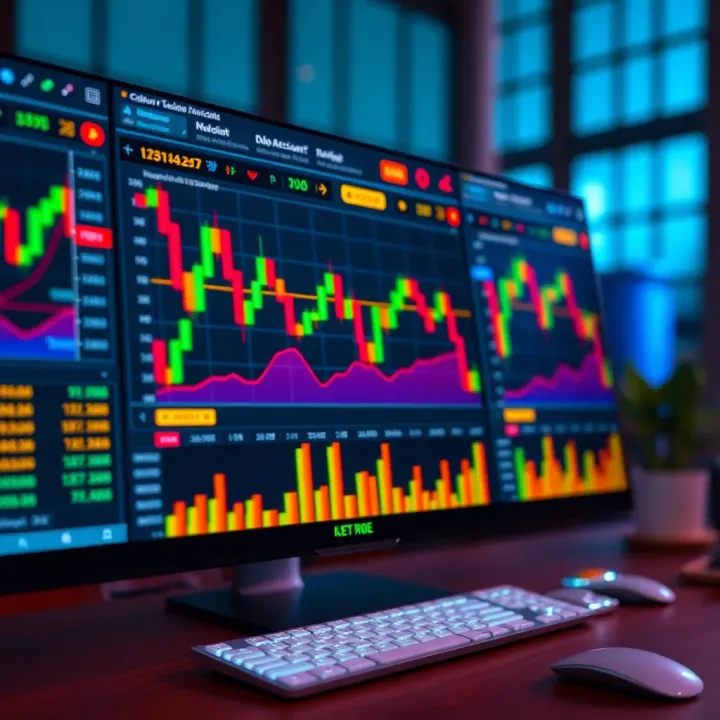
Understanding Colour Trading Demo Accounts
Learn how colour trading demo accounts let Indian traders practise strategies risk-free 🎯. Discover platform tips, key features, benefits, and common pitfalls before going live 🚀.
Edited By
Ethan Clarke
A demo account serves as a risk-free environment where traders and investors can practise without using real money. It replicates live market conditions, allowing users to execute trades, test investment strategies, and familiarise themselves with the trading platform interface.
Demo accounts are especially useful for beginners entering stock markets, commodities, forex, or mutual funds, as they build confidence before committing actual capital.
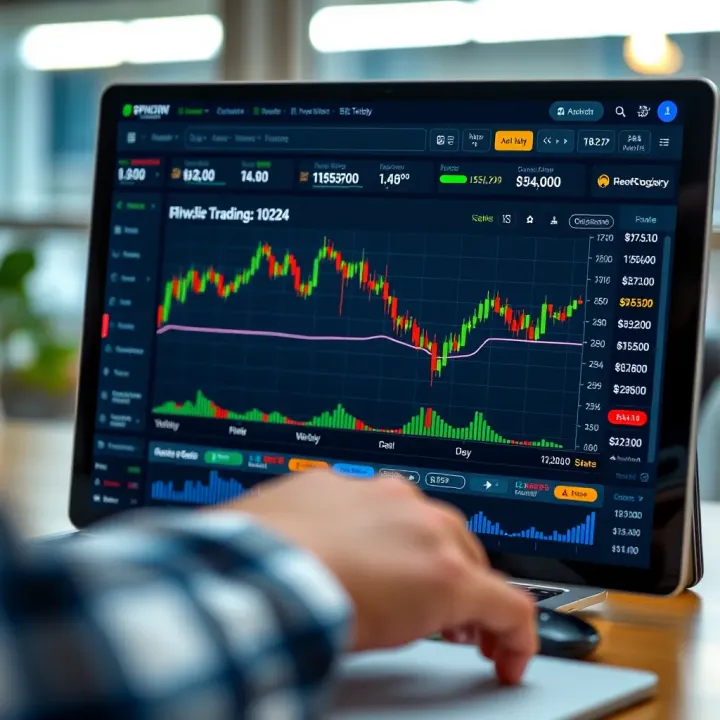
Demo accounts do not involve actual cash but use virtual funds, so while the experience is close to live trading, emotional and financial risks are removed.
When you open a demo account with brokers such as Zerodha, Upstox, or ICICI Direct, you receive virtual money—often ₹10 lakh or more—to buy and sell assets. Price movements, order types, and execution mimic the live environment, reflecting current market data.
Since no real money is involved, actions in a demo account won’t lead to financial gain or loss, yet they help users understand market reactions to different economic events, like RBI rate changes or corporate earnings announcements.
Safe learning space: Try various trading styles—day trading, swing trading, or long-term investing—without financial pressure.
Testing new strategies: Check how different approaches perform against market volatility before applying them to live accounts.
Understanding platform tools: Explore charting software, risk management features, and order types.
Building discipline: Practice sticking to predetermined exit and entry points.
Demo accounts are also used by analysts and advisors to demonstrate investment concepts to clients.
Despite its benefits, a demo account has limits:
It lacks the emotional stress of real trading, which affects decision-making.
Occasionally, execution speed or liquidity might differ when shifting to a live account.
Some behavioural quirks or platform quirks might surface only under real-money constraints.
Understanding these gaps helps traders transition smoothly from practice to live trading.
In short, demo accounts are an essential tool for mastering trading mechanics and strategy evaluation without financial risk. They offer a platform to learn, experiment, and grow before stepping into actual investing.
For anyone stepping into the trading world, a demo account offers a practical starting point. It allows individuals to experience the market’s rhythm without risking actual money. This section breaks down what demo accounts are, how they function, and why they matter for traders, investors, and analysts.
A demo account essentially provides virtual funds to simulate trading in a risk-free environment. Think of it as playing a stock market simulation where you can place orders, track price movements, and test strategies using fake money. The idea is to learn the market mechanics without financial pressure, which is especially useful for beginners or those trying new approaches.
Most demo accounts closely replicate the actual trading experience. They offer similar tools, interfaces, and data access—just without the real financial stakes. For example, trading on platforms like Zerodha Kite or Upstox Pro provides users both live and demo modes to practise before switching to real funds.
Demo accounts are standard features across many Indian and international trading platforms. Brokers such as Angel One, ICICI Direct, and 5Paisa offer demo accounts to help users familiarise themselves with their systems. These platforms often include access to equities, commodities, and currency pairs, making demo accounts versatile across market segments.
Using these demo accounts, you can evaluate user-friendliness, speed, and available features before committing to a live account. This flexibility helps in picking a platform that suits your trading style and requirements.
Most demo accounts use real-time market data to reflect actual price movements. However, some might have delayed feeds by a few seconds or minutes, which can subtly affect trade timing. For example, investing apps like Groww provide fairly live data in demo mode, though certain sophisticated platforms might introduce slight delays to reduce server load.
Staying aware of this difference is crucial, especially for intraday traders where even seconds matter. In contrast, long-term investors using demo accounts to test investment ideas will find this delay less significant.
Demo accounts typically support common order types such as market orders, limit orders, and stop-loss orders, mimicking real trading conditions closely. However, execution speed and slippage may not behave exactly as on live platforms. For instance, while your demo market order might execute instantly, real trading might face slight delays or price variations due to market liquidity.
Still, practising different order types and understanding how they work in various scenarios is a major benefit. For example, you can try placing a bracket order (a buy order with a built-in target and stop-loss) on a demo account before risking real money, which helps build confidence and sharpens decision-making.
Using demo accounts as a training ground keeps you sharp without the stress of losing actual funds. It’s like taking a driving test on a simulator before hitting the real roads.
This section prepares you to grasp the demo account’s mechanics and value, setting a solid foundation before exploring its advantages and limitations in subsequent parts.
Demo accounts offer a practical space for traders and investors to gain hands-on experience without risking real money. This advantage matters because it bridges the gap between theory and actual trading, helping novices get comfortable with market dynamics before making financial commitments.
Using a demo account allows you to test trade ideas and strategies in a completely risk-free zone. For example, someone new to forex trading can try multiple currency pairs and see how trades play out without worrying about losses. This builds confidence gradually because you learn the ropes under real market conditions, but with virtual funds.
Demo accounts replicate real-time price movements, which helps users grasp how different factors influence asset prices. Trying out strategies—like swing trading or scalping—on a demo lets you observe how market volatility affects outcomes. For instance, you might notice how news events cause sudden price spikes and learn to adjust your orders accordingly, sharpening your approach for live trading.
Not all trading platforms are equally user-friendly or equipped with the same tools. Demo accounts let you explore various platforms—like Zerodha Kite, Upstox Pro, or ICICI Direct—without any pressure. You can quickly spot which interface suits your style, how easy it is to place orders, or whether the platform lags during volatile periods.
Trade execution speed and analytical tools are critical in live markets. Using a demo account, you can practise setting up charts with indicators like Moving Averages or RSI and experiment with different order types, such as stop-loss or trailing stops. This hands-on guiding sharpens your technical analysis skills and teaches you how to execute trades efficiently, making the transition to real trading smoother.
Testing your approach on a demo account is like rehearsing before the actual performance; it helps you avoid costly mistakes and gets you ready for real market challenges.
By leveraging these advantages, traders develop a deeper understanding of their markets and tools, setting a solid foundation before risking real money. This preparation can significantly improve your chances of success in the complex world of investing and trading.
Demo accounts are valuable tools for learning trading basics without risking real money. However, traders should be aware of their limitations before relying solely on them. Understanding key differences between demo and live trading helps users avoid false confidence and prepares them better for real market conditions.
Emotional detachment from loss and profit often makes demo trading less intense than live trading. Since there’s no actual money involved, traders do not face the stress or pressure common in real markets. This can lead to reckless decisions or trying high-risk strategies that would feel too risky in live conditions. For example, a trader might keep entering multiple trades back-to-back on a demo account without much thought, but in real markets, the fear of losing ₹10,000 would affect their choices.
This emotional gap affects skill development. While demo accounts build technical knowledge, they may not prepare traders for the mental discipline needed to handle actual profits and losses. Knowing this helps users approach demo trading as a practice tool rather than a perfect simulation of real trading psychology.
The impact of virtual funds on decision-making is also significant. Demo accounts provide unlimited virtual money or a fixed sum that automatically resets, removing the scarcity mindset. This can lead traders to ignore money management techniques, such as position sizing or stop-loss placement. In live trading, losing ₹1,000 among ₹50,000 matters, but in demos, losses often feel like disposable numbers.
Because virtual funds don’t carry real consequences, users may experiment without the typical caution applied in real life. This highlights the importance of imposing self-discipline and realistic trading rules even during demo practice to simulate better live conditions.
Price slippage and spread variations frequently differ between demo and live platforms. In demo accounts, trade executions often happen at ideal prices with little to no slippage. In contrast, during volatile market times, live trades can experience slippage where orders fill at worse prices. This difference can mislead traders about expected profits or losses.
Similarly, spreads—the gap between buy and sell prices—may be narrower or fixed in demo environments. For instance, a live forex trade might face a spread widening from 2 to 4 pips during news releases, while the demo account shows a constant 2-pip spread. This variation impacts the actual cost of trading and strategy effectiveness.
Liquidity constraints in demo environments can also misrepresent real market conditions. Real markets vary in liquidity based on time, asset, and market participants. Demo accounts generally provide seamless order execution regardless of liquidity, which isn’t always possible live.
For example, in a less-liquid small-cap stock, a live trader might see order delays or partial fills, whereas the demo account executes full orders instantly. This difference affects how strategies like limit orders or stop-losses behave. Being aware of this helps demo users adjust expectations and prepare for real market execution challenges.
Demo accounts serve best as entry points into trading, but recognising their psychological and execution limitations is essential for a smooth transition to live trading.
By keeping these factors in mind, traders and investors can use demo accounts more effectively and avoid common pitfalls before moving to real money trading.
Demo accounts vary significantly depending on the financial market they simulate. These differences arise because each market operates under unique rules, instruments, and risk factors. For traders and investors, choosing a demo account that aligns with their target market helps them gain relevant experience and develop strategies that will perform well in real trading.
Demo accounts allow users to practise without risking capital, but the learning value depends on how closely the demo replicates actual market behaviours. Whether it's stocks, forex, or commodities, the demo must mimic aspects like order execution, market volatility, and leverage to be useful.
Stock market demo accounts help users get acquainted with buying and selling shares without committing real money. Traders can explore different order types such as market, limit, and stop-loss orders. For instance, a user practising with shares of Reliance Industries can test placing a limit order and see how it executes when the share price hits the target. This hands-on experience is essential to navigating live markets confidently.
Understanding how orders function also includes learning about trading hours, settlement periods, and brokerage charges, which simulated platforms often mimic. This familiarity reduces confusion and costly mistakes when transitioning to a real account.
Demo accounts in stock trading allow users to monitor their portfolio’s performance over time. They can test investment strategies like buying blue-chip stocks or diversifying across sectors like IT, pharma, and FMCG without worrying about losses. This is particularly useful during volatile market phases—for example, when the Sensex fluctuates sharply during economic announcements.
By observing how their virtual portfolio reacts to market movements, traders can refine their decision-making skills and risk management approaches. It enables them to understand compound growth, dividend reinvestment, and the impact of fees on net returns without financial strain.
Forex demo accounts give traders exposure to currency pairs such as USD/INR, EUR/USD, or GBP/JPY. Users learn how exchange rates fluctuate due to macroeconomic indicators like RBI policy announcements or international trade reports. Practising with major pairs and cross-currencies helps build intuition for market trends and timing.
Similarly, commodity trading demos offer experience with futures contracts on gold, crude oil, or agricultural products. Traders can watch how factors like monsoon impacts on crops or geopolitical tensions affect commodity prices. For example, practising trading in gold futures around festive seasons can teach important pricing patterns relevant to Indian investors.
One of the trickier parts of forex and commodity trading is managing margin requirements and leverage. Demo accounts provide a safe space to grasp these concepts before risking real capital. For example, a typical forex demo might offer 50:1 leverage, meaning ₹1 lakh allows a position size of ₹50 lakh. Traders can see how small price changes translate to larger profits or losses.
Simulated trading teaches users how to calculate their margin usage, set appropriate stop-loss orders, and avoid margin calls. This experience is valuable because leverage can magnify both gains and risks, and proper handling distinguishes disciplined traders from impulsive ones.
Using different types of demo accounts tailored to their financial market helps traders build relevant skills and confidence before risking any actual money.
Using a demo account well demands more than just clicking around; treating it like a real trading environment can sharpen your skills and boost your chances of success when moving to live markets. Focusing on clear goals and systematic analysis can make this practice genuinely productive.
To make demo trading effective, treat it as you would real trading. Many traders lose out on learning because they behave recklessly with virtual money, assuming no real loss. However, practising discipline, sticking to strategies, and respecting risk management rules in a demo account builds good habits. For example, if you decide to trade only in specific market hours or limit yourself to two trades per day, following those rules strictly in demo mode prepares you for the emotional and operational demands of real trading.
Keeping a detailed log of your trades in the demo account can reveal patterns and highlight mistakes you might not notice otherwise. Document entry and exit points, reasons for taking the trade, and outcomes. After a week, review your performance to understand what’s working and what isn’t. This process lets you refine your strategy systematically, rather than relying on guesswork. Some Indian traders use simple Excel sheets or free trading journal apps tailored for the Indian markets to track their progress effectively.
Knowing when to switch from demo to a live account is key. Look for consistent profitability over a reasonable period, sticking to your strategy without impulsive changes. If you handle losing streaks calmly in demo mode and still follow your trading plan, that's a good sign you’re ready. Remember, real trading introduces psychological pressures demo trading cannot fully simulate, so patience and discipline are crucial.
When moving to a live account, never rush with large sums. Start small—use a fraction of what you can afford to lose, and practise risk management by limiting exposure per trade, say to 1-2% of your trading capital. For instance, beginners in India might begin with ₹10,000 or ₹20,000, getting a feel for real market fluctuations and emotions while limiting potential losses. Gradually increasing investment as confidence and experience grow helps avoid shocks and preserves capital.
Taking demo trading seriously, setting achievable goals, and knowing when to shift into live markets are vital steps. They make the difference between aimless experimenting and building a solid trading foundation.
By applying these tips, you can turn a demo account from a mere simulation into a powerful tool for building competence and confidence in real financial markets.
Learn how colour trading demo accounts let Indian traders practise strategies risk-free 🎯. Discover platform tips, key features, benefits, and common pitfalls before going live 🚀.
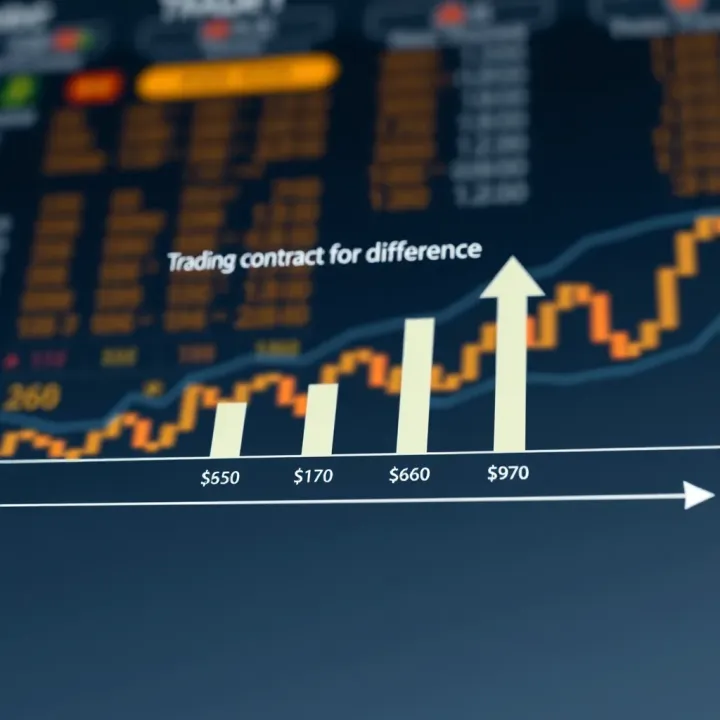
📈 Learn how a CFD account helps Indian investors trade price moves without owning assets. Understand benefits, risks, regulation, and steps to manage CFDs confidently.

Explore Deriv DMCC’s Dubai-based online trading platforms, services, regulatory setup, key products, and support✴️—ideal insights for Indian traders engaging responsibly.
Explore QXBroker app's key features, setup, trading options, security, and support to boost your investment journey in India 📈💼🔒
Based on 15 reviews