

Choosing the Right Free Brokerage App in India
📈 Explore top free brokerage trading apps in India, compare features, benefits & tips to invest smartly while avoiding common traps. Trade confidently today!
Edited By
Ethan Price
Selecting the right trading app is a key step for Indian investors aiming to navigate the stock market efficiently. With a growing number of apps available on Play Store and App Store, the choice can be overwhelming. It's not just about fancy features but how well the app fits your trading style, cost expectations, and security concerns.
Modern Indian trading apps range from basic platforms suitable for beginners to advanced suites with comprehensive tools for seasoned traders. For example, Zerodha’s Kite is known for its clean interface and robust charting options, while Groww appeals to investors favouring simplicity and mutual fund integration.

When looking for a new trading app, consider these factors:
User Experience (UX): Clear navigation and quick order placement matter. A cluttered app can lead to missed opportunities. Apps like Upstox focus on speed and intuitive design, ideal for active traders.
Security Measures: Given cyber threats, look for apps with two-factor authentication (2FA), end-to-end encryption, and compliance with Securities and Exchange Board of India (SEBI) regulations.
Charges and Fees: Brokerage, account maintenance charges, and transaction fees can eat into profits. Some apps offer zero brokerage on equity delivery trades but may charge for intraday or F&O transactions.
Features and Tools: Access to live market data, technical indicators, and real-time news helps informed decisions. Think about whether you need advanced charting or just basic buy-sell functions.
Always check if the app is registered with SEBI and linked with the National Stock Exchange (NSE) or Bombay Stock Exchange (BSE) to ensure legitimacy.
Additionally, Indian investors should check if the app supports integration with the Aadhaar-linked bank account for smooth funds transfer via Unified Payments Interface (UPI) or net banking.
In sum, choosing a trading app depends on balancing cost, convenience, and confidence in the platform’s reliability. This guide will help you understand key features and select an app that suits your individual investing journey.
Choosing the right trading app starts with knowing what it actually offers. Each app has specific features aimed to ease trading, improve decision-making, and fit your investing style. Knowing these features helps you pick one that supports your goals and suits the Indian market conditions.
A trading app’s ability to provide real-time market data is key for active traders. Seeing live price updates, volume, and other market indicators helps you react quickly to market shifts. For example, apps like Zerodha Kite or Upstox deliver tick-by-tick data from NSE and BSE, colourful charts with multiple technical indicators such as RSI, MACD, and moving averages.
Charts are not just pretty graphs; they’re analytical tools. A trader watching the 5-minute candlestick pattern for Reliance Industries can decide whether to buy or sell quickly, based on support and resistance levels. Without accurate, timely charts, making swift, informed decisions becomes difficult.
Different order types like market, limit, stop-loss, and bracket orders matter because they allow you to control how and when trades get executed. A stop-loss order, for example, helps limit losses automatically by selling when the price hits a set level.
Execution speed affects the price you actually get. A delay in order execution could mean a higher buying price or a lower selling price, especially in volatile markets. So, apps that promise fast execution backed by solid infrastructure — like ICICI Direct or HDFC Securities — are preferred. Practical use: day traders often need split-second executions to prevent losses or secure profits.
A good trading app connects seamlessly with major Indian stock exchanges like NSE, BSE, and MCX. This connection ensures all trades comply with Indian trading regulations and settlement cycles. It also means you can access a full range of securities—stocks, commodities, derivatives, ETFs—without juggling multiple platforms.
Apps integrated well with these exchanges help you see accurate market depth, real-time order book, and quicker transaction confirmations, making trading smoother. For instance, Zerodha’s platform connects directly to NSE/BSE, showing Indian-specific data that global apps may lack.
Since smartphones dominate trading in India, especially in tier-2 and tier-3 cities, a trading app must be compatible with Android and iOS. Most trading apps target these two platforms to capture a broad user base.
App compatibility ensures you can trade from anywhere, whether on a budget Android handset or a premium iPhone. For example, Angel Broking’s app is optimised for both platforms, delivering stable performance irrespective of device specs.
While mobile apps offer trading on the go, web platforms and desktop apps provide a more detailed, comprehensive interface for serious traders. Desktop applications, like Sharekhan’s TradeTiger, offer advanced charting tools, multi-market watchlists, and faster trade execution.
Web-based platforms, accessible via browsers without installation, are convenient for casual investors using office or personal laptops. They often support cross-device syncing, so your watchlists and preferences stay consistent across devices.
Picking a trading app means balancing access, speed, and features. Always check if the app fits your device preferences and trading style to avoid surprises later.
Security and regulatory compliance form the backbone of any trading app, especially for investors dealing with real money and sensitive data. Without proper safeguards, your investments and personal details become vulnerable to fraud, hacking, and misuse. For Indian investors, assessing these aspects helps not only in protecting funds but also in ensuring adherence to local laws.
Encryption is the first line of defence when it comes to data protection. Most trading apps now use Advanced Encryption Standard (AES) with 256-bit keys or equivalent protocols. This technology scrambles your login details, transaction data, and portfolio information, making it unreadable to cybercriminals. For example, Zerodha and Upstox employ strong encryption to secure data sent between your device and their servers. This practice prevents data breaches, securing your account even if you connect over public Wi-Fi.
Two-factor authentication (2FA) adds an extra layer beyond just a password. Many apps support OTPs (one-time passwords) via SMS or authenticator apps, which you must enter alongside your password. Some platforms like Angel Broking also allow fingerprint or face recognition login on smartphones. These biometric methods reduce the risk of unauthorised access substantially. Without 2FA or biometric options, your account becomes prone to hacking, especially if your password is weak or reused.

The Securities and Exchange Board of India (SEBI) oversees all trading activities to protect investors and maintain market integrity. Trading apps operating legally in India must comply with SEBI’s rules, which cover data security, disclosure norms, and investor grievance mechanisms. For instance, SEBI mandates fair order execution and transparent brokerage charges. Choosing apps regulated by SEBI means you get recourse in case of disputes or misconduct.
Every trading app in India must partner with registered brokers who are authorised to trade on exchanges like NSE and BSE. Registered brokers are accountable for your funds and comply with Know Your Customer (KYC) norms laid down by the government. Before you pick an app, check whether the broker and the platform itself are registered and have valid licences. This registration protects you from fake apps or fraudulent schemes that can lead to financial loss.
Always verify regulatory credentials and security features before investing through any new trading app. Doing so shields your money from avoidable risks and ensures a smoother trading experience.
Selecting a trading app with robust security and proper regulatory approvals is not optional but necessary. The effort you put into this upfront can save you time, stress, and potentially big financial setbacks later on.
When picking a trading app in India, understanding the cost structure is just as important as checking its features. Costs can affect your overall returns, especially if you trade frequently. Indian investors need to pay attention to brokerage fees, transaction charges, and account-related fees to avoid surprises that eat into profits.
Brokerage fees are what brokers charge for executing your trades. They usually come in two flavours: flat fees and percentage-based charges. Flat fees mean you pay a fixed amount per trade regardless of the trade size—say ₹20 per trade. This works well if you place large orders because the fee doesn't increase with higher trade values. On the other hand, percentage-based brokerage takes a cut of the trade value, typically around 0.01% to 0.05%. For small trades, this can be cheaper than flat fees but can add up quickly with bigger trades.
Choosing between these models depends on your trading style. A day trader making multiple small trades might benefit from percentage fees, while a long-term investor placing fewer large orders might prefer flat fees to save money. Importantly, some apps offer zero brokerage but charge other hidden fees.
Hidden costs and transaction fees can sometimes catch traders off guard. For example, the Securities Transaction Tax (STT), Goods and Services Tax (GST), and stamp duty are usually passed on to the investor in addition to brokerage. Also, some apps impose platform fees or charge for order modifications and cancellations. It's crucial to read the fine print because a supposedly low-cost app may become expensive once you tally all these extra expenses.
Opening a trading account often involves Demat account fees. This fee covers the electronic storage of your shares and can vary from brokerage to brokerage. Some offer zero maintenance for the first year but charge around ₹300 to ₹600 annually afterwards. If you hold shares long-term, you should factor in these costs as they impact your overall investment returns.
Annual Maintenance Charges (AMC) for Demat accounts are another common expense. Usually, brokers charge this once a year for keeping your account active, with rates commonly between ₹300 and ₹700. Some brokers waive AMC if your portfolio crosses a certain value or if you maintain trading activity. So, evaluate if the trading app offers any AMC waivers or discounts based on your trading frequency.
Penalty and inactivity fees can be a nasty surprise if you don't trade often. Some brokers charge penalties if your account remains inactive for a few months, ranging from ₹50 to ₹200 per month. Penalties may also apply for insufficient funds or failed transactions. If you’re a casual investor, opt for apps that don’t penalise inactivity or charge minimal fees.
Always look beyond the headline brokerage rates. Hidden fees and maintenance costs might seem small but can quickly add up, affecting your profitability.
By carefully analysing these cost components, you can select a trading app that fits your trading habits and financial goals without unnecessary expenses.
User experience significantly affects how comfortably and efficiently investors can navigate trading apps. A well-designed interface and responsive customer support save time and reduce frustration, especially for active traders who require quick access to information and services.
A clean, intuitive layout helps users find crucial features like watchlists, order entries, and portfolio summaries without hunting through cluttered menus. For example, Zerodha's Kite app arranges real-time charts and order books neatly on a single screen, helping traders spot opportunities faster. When the interface feels natural, freshers and seasoned investors both benefit by making fewer mistakes during critical moments.
Speed matters a lot, particularly during market volatility. Delays of even a few seconds when placing or modifying orders can lead to significant financial impact. Trading apps like Upstox invest to ensure minimal lag and fewer crashes, which builds trust among users. Stability also means the app doesn’t freeze or disconnect just when you want to exit or enter the market, giving peace of mind in fast-moving conditions.
24/7 customer support with local language options is a real advantage. Imagine encountering a payment issue or KYC glitch hours before market close; quick, easily accessible help can prevent missed trades or penalties. Apps like Angel Broking offer dedicated support centres in tier-2 cities, recognising that investors outside metros need prompt assistance. Fast response times cut down the waiting frustration and keep investor confidence high.
Good trading apps provide extensive educational material directly within the app or on their websites. Tutorials on using advanced order types or interpreting technical charts empower users to trade smartly. For instance, Groww's comprehensive FAQs and video guides cover everything from account setup to tax implications on gains, helping investors avoid common pitfalls. Easy access to these resources means users learn on the go, reducing dependency on support and building self-reliance.
A smooth user experience and dependable support not only enhance day-to-day trading but also encourage long-term engagement with the platform, boosting both investor satisfaction and loyalty.
Investors should prioritise apps that combine straightforward design with timely, effective customer care. This blend allows them to focus on market moves and strategy rather than wrestling with technology or waiting on help desks.
In today's digital era, numerous trading apps have emerged across India, each offering unique features tailored to different types of investors. Understanding what sets these apps apart helps you make an informed choice that matches your trading style and goals.
Every trading app tries to bring something different for its users. For instance, Zerodha offers Kite, known for its clean interface and advanced charting tools, which appeals to tech-savvy traders. On the other hand, Upstox focuses on low brokerage plans combined with fast execution speeds, making it favourable for frequent traders. Groww, initially popular as a mutual fund platform, now integrates stock trading with a simple user experience, suitable for beginners who want a one-stop investment solution.
Choosing an app based on unique features means looking beyond just buying and selling. For example, some apps provide detailed educational content, live market updates, or AI-driven stock recommendations. These small differences can influence your daily trading or investment habits considerably.
User ratings on app stores and reviews reveal how well an app performs in real conditions. A high rating with thousands of reviews often signals reliability and user satisfaction. For example, Zerodha and Groww consistently hold ratings above 4.2 out of 5, reflecting strong approval from Indian investors.
Market share also matters because a popular app tends to have better server support during high traffic, faster feature updates, and a larger community for sharing insights. Apps like Zerodha dominate the Indian market with over 4 million active users, which assures stability and continuous development.
Clear pricing is a must. Many apps advertise zero brokerage but hide costs in other charges like platform fees, call and trade charges, or withdrawal fees. For instance, while Upstox offers zero brokerage on equity delivery, it charges ₹20 per order for call and trade services. Being aware of such fees avoids unexpected deductions from your account.
Price transparency lets you compare costs easily and estimate how much you’ll pay based on your trading frequency and volume. Choose apps with upfront disclosures about all fees to manage trading expenses confidently.
Besides basic trading, several apps provide extra facilities that add value. Zerodha offers Console, a back-office tool, for portfolio tracking and tax reports, while Groww gives access to IPO subscriptions along with stocks and mutual funds.
Services like integrated payment gateways, personalised research reports, or chat-based support help you save time and make smart decisions. Platforms that bundle multiple financial products under one roof, like Angel Broking with its ARQ system, simplify managing your investments.
Selecting the right trading app means balancing costs against benefits like ease of use, support, and advanced tools. Keep an eye on unique features and transparent pricing to find what suits your investment style best.
Starting with a new trading app can feel overwhelming, but understanding the initial steps and features helps you trade confidently. Setting up your account correctly, ensuring smooth funding, and making full use of app tools can save you time and prevent costly mistakes.
Getting your account ready begins with completing Know Your Customer (KYC) verification. The Securities and Exchange Board of India (SEBI) mandates this for all investors to curb fraud. You’ll need documents like your PAN card, Aadhaar, proof of address, and a recent photograph. Many trading apps now offer paperless KYC using Aadhaar-based e-KYC, which speeds up the process.
Completing KYC upfront avoids delays later when you want to trade or withdraw funds. For example, Zerodha and Upstox provide quick in-app KYC through video verification, helping you start trading within a day or two.
Your trading account must be linked to a bank account for fund transfers and to a Demat account for holding securities in electronic form. Linking these accounts correctly ensures smooth settlements without manual intervention.
A common mistake is tying a bank account that is not active or is under a different name, which can lead to failed transactions. For instance, ICICI Direct and Sharekhan allow you to add multiple bank accounts but trade settlement will be streamlined only with the primary linked account.
Mobile trading apps often include alerts for price movements, market news, and portfolio changes. Setting up customised alerts helps you react promptly without constantly monitoring the market. For example, you can set an alert to notify when a Sensex stock hits a target price.
Most apps also provide basic analysis tools like candlestick charts, moving averages, and market sentiment indicators. Leveraging these features directly within the app saves you from switching platforms and improves decision-making.
Managing risk is essential, especially in volatile markets. Using stop loss orders helps cap potential losses by automatically selling stocks when prices fall to a set level. Similarly, apps offer other order types like limit orders or trailing stops to fine-tune your strategy.
For example, if you buy Reliance Industries at ₹2,500, setting a stop loss at ₹2,400 prevents larger losses if the price dips suddenly. Apps like Angel Broking and 5Paisa have easy options to set such orders while placing trades.
Trading effectively isn’t just about making profits but also protecting your capital. Getting familiar with these tools early can prevent big setbacks.
With clear steps to open accounts and handy app features, you can make the most of trading apps tailored for Indian markets and your personal goals.
📈 Explore top free brokerage trading apps in India, compare features, benefits & tips to invest smartly while avoiding common traps. Trade confidently today!

🔍 Explore how to pick the perfect forex trading platform for Indian traders. Learn key features, types, safety tips, and RBI regulations to trade confidently.
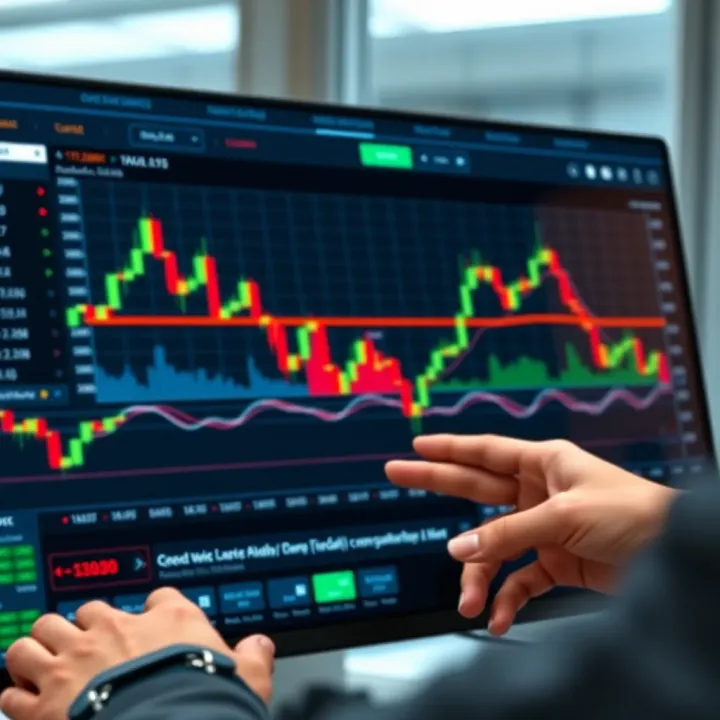
🔍 Find the best forex trading platform for Indian traders with features like security, cost, and tech insights. Make smarter investment choices with expert tips.
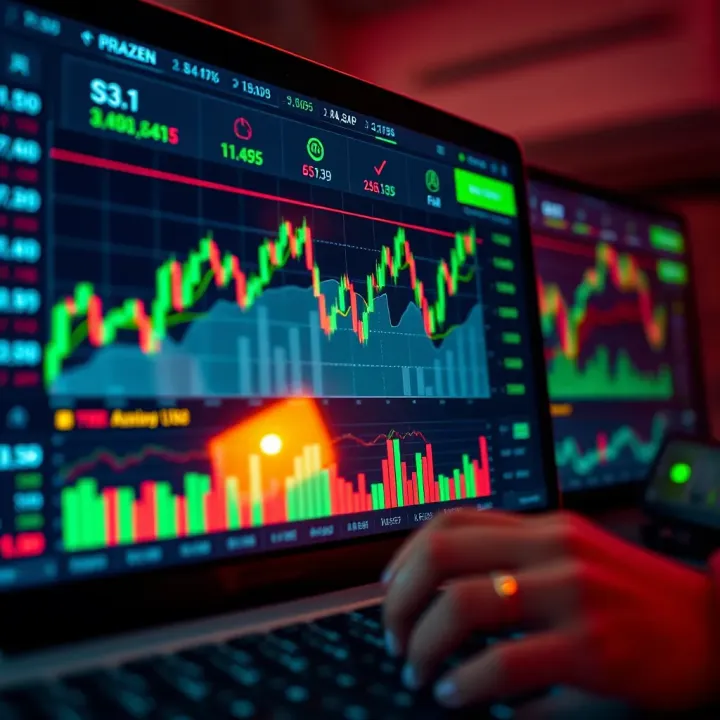
📈 Discover how to pick the right online trading platform in India, understand costs, security, and features, and get tips to trade confidently while managing market risks.
Based on 12 reviews